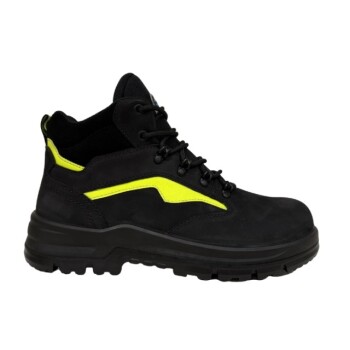
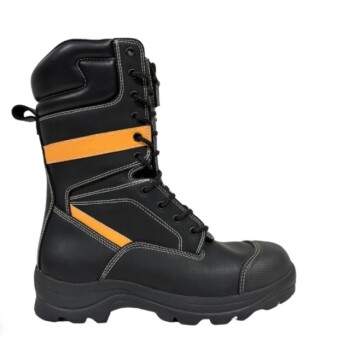
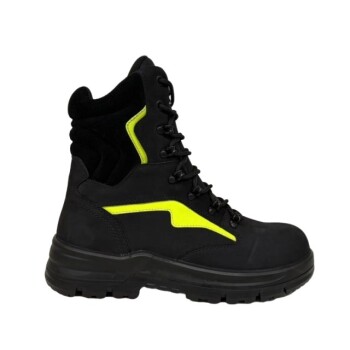
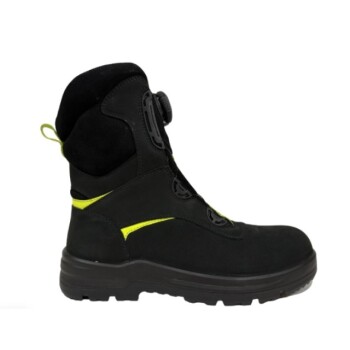
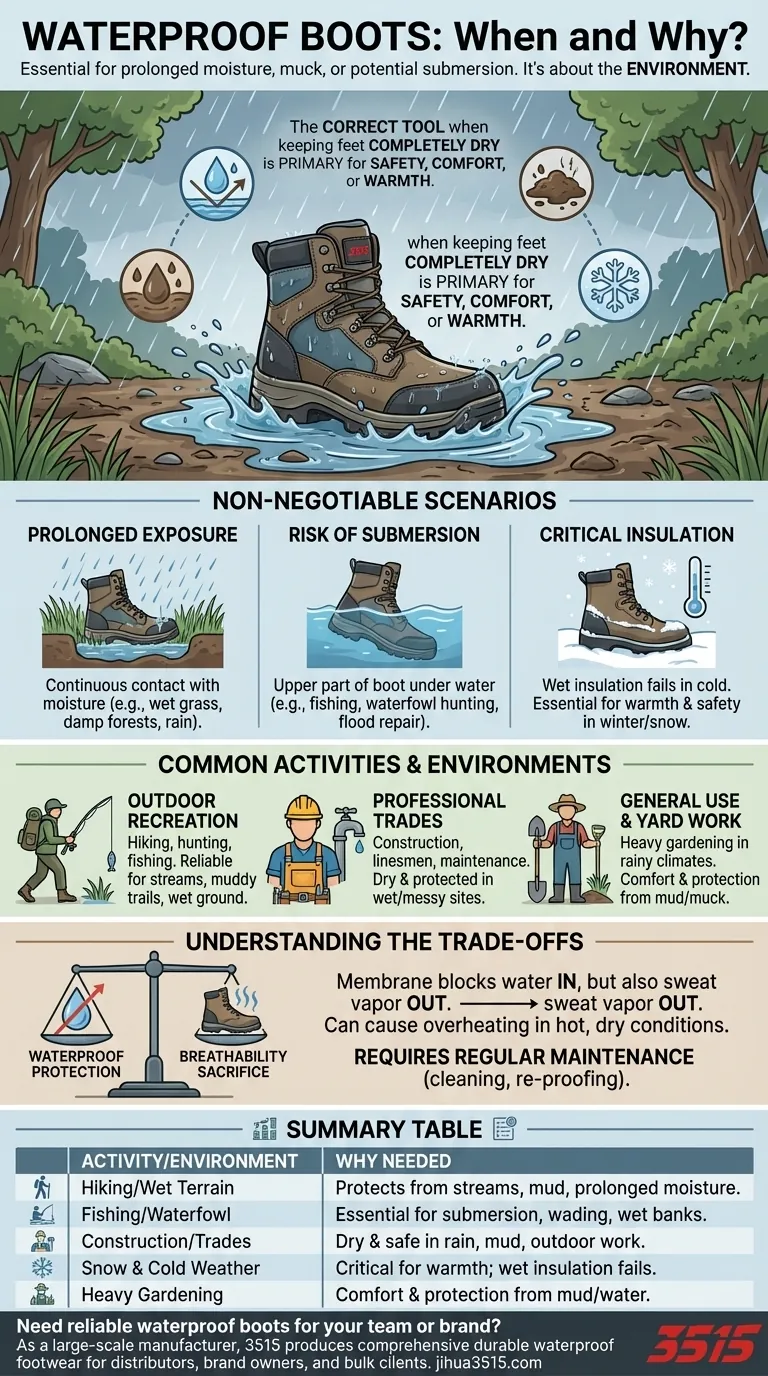
In short, waterproof boots are essential for any activity involving prolonged exposure to moisture, muck, or potential submersion. They are specifically designed for demanding conditions found in activities like hiking through wet terrain, fishing, certain construction trades, and even heavy gardening.
The decision to wear waterproof boots is less about a specific activity and more about the environment. They are the correct tool whenever keeping your feet completely dry from external water is the primary requirement for safety, comfort, or warmth.
When "Waterproof" is a Non-Negotiable Feature
True waterproof construction goes beyond simple water resistance. It's a system designed to create an impenetrable barrier against moisture, which becomes critical in specific scenarios.
For Prolonged Exposure to Moisture
Water-resistant footwear can handle a quick splash or a light drizzle, but it will eventually fail during continuous exposure.
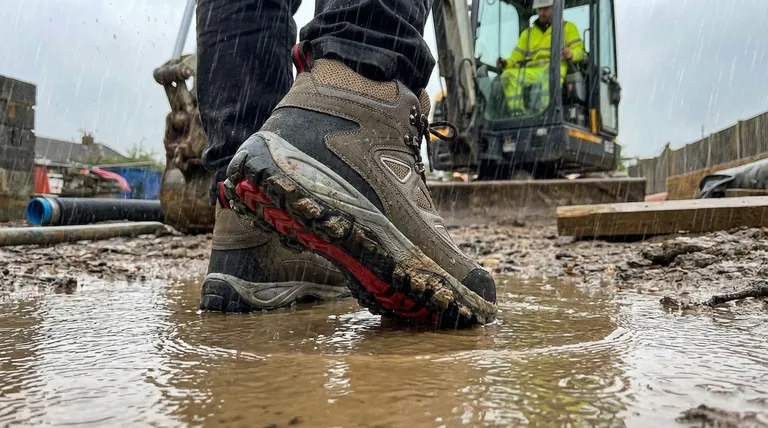
Waterproof boots are necessary for jobs like trench digging in the rain, continuous work on wet grass, or long hikes through damp forests where your feet are constantly in contact with moisture.
For Risk of Submersion
This is the clearest indicator for needing waterproof boots. Any environment where the upper part of your boot might go underwater requires a fully waterproof design.
Activities like waterfowl hunting, fishing from a bank, or working in flood repair demand a boot that can be submerged in puddles or deep water without leaking.
For Critical Insulation Needs
Water is the enemy of warmth. Once your socks or the boot's insulation get wet, they lose their ability to keep your feet warm, which can be dangerous in cold conditions.
For winter activities like snowmobiling or working in snow, waterproofing is a safety feature that ensures your insulation remains effective.
Common Activities and Environments
While the conditions dictate the need, certain activities are consistently associated with environments that demand waterproof protection.
Outdoor Recreation
Hikers, hunters, and anglers frequently encounter unpredictable weather and terrain.
Waterproof boots provide the reliability needed for crossing streams, navigating muddy trails, or standing in wet ground for extended periods, ensuring comfort and preventing blisters caused by wet socks.
Professional Trades
Many professions require working outdoors regardless of the weather.
Linesmen, plumbers, maintenance workers, and construction professionals rely on waterproof boots to keep their feet dry and protected in wet and often messy job sites.
General Use and Yard Work
For those living in rainy climates or who engage in heavy gardening, waterproof boots offer significant convenience and comfort.
They turn a muddy, uncomfortable task into a clean and dry one, protecting your feet from both water and muck.
Understanding the Trade-offs
While invaluable in wet conditions, waterproof boots are not always the best choice. Their primary strength introduces a critical compromise.
Breathability is the Primary Sacrifice
The same membrane that blocks water from getting in also makes it harder for sweat vapor to get out.
In hot, dry conditions, waterproof boots can cause your feet to overheat and sweat excessively. This moisture buildup can lead to the same discomfort and blisters you were trying to avoid.
Maintenance is Required
The waterproof treatment on a boot is not permanent. To maintain performance, you must regularly clean your boots and reapply waterproofing treatments like sprays or waxes.
Proper care also includes air drying them away from direct heat and storing them in a cool, dry place.
Making the Right Choice for Your Goal
Select your footwear based on the most likely environment you will face.
- If your primary focus is work in consistently wet environments: Prioritize a durable, fully waterproof boot designed for professional use.
- If your primary focus is hiking or hunting: Select a waterproof boot that balances robust protection with the breathability needed for high-exertion activity.
- If your primary focus is cold weather and snow: Choose an insulated, waterproof boot where keeping dry is essential for staying warm and safe.
- If your primary focus is activity in hot, dry climates: Avoid waterproof boots and choose a highly breathable, non-waterproof alternative to maximize ventilation.
Ultimately, choosing the right boot is about understanding and preparing for the conditions you'll face.
Summary Table:
| Activity/Environment | Why Waterproof Boots Are Needed |
|---|---|
| Hiking/Wet Terrain | Protects feet from streams, mud, and prolonged moisture on the trail. |
| Fishing/Waterfowl Hunting | Essential for submersion in water, keeping feet dry while wading or on wet banks. |
| Construction/Trades | Keeps feet dry and safe during outdoor work in rain, mud, or wet conditions. |
| Snow & Cold Weather | Critical for warmth; wet insulation fails, making waterproofing a safety feature. |
| Heavy Gardening/Yard Work | Provides comfort and protection from mud and water in rainy climates. |
Need reliable waterproof boots for your team or brand?
As a large-scale manufacturer, 3515 produces a comprehensive range of durable waterproof footwear for distributors, brand owners, and bulk clients. Our production capabilities encompass all types of safety, work, and outdoor boots designed to perform in the toughest conditions. Ensure your customers' feet stay dry and protected—contact our experts today to discuss your specific needs and explore our catalog.
Visual Guide
Related Products
- Premium Wholesale Waterproof Safety Boots High Performance Protection for Industrial Markets
- High Performance Fire-Retardant Waterproof Safety Boots
- Wholesale Premium Waterproof Nubuck Safety Shoes Boots
- Premium Flame-Retardant Waterproof Safety Boots and Shoes
- Durable Waterproof Rain Boots | Custom Manufacturer for Wholesale & Brands
People Also Ask
- What weather and chemical protections do premium boots offer? Your Complete Guide to Safety & Performance
- Why are waterproof safety boots recommended for certain work environments? Essential Protection for Wet & Hazardous Jobs
- What are the primary protective functions of industrial safety boots in oil palm plantations? Master Rough Terrain Safety
- Why are oil-resistant and anti-slip properties critical for industrial safety boots? Expert Outsole Engineering Guide
- What are the best types of shoes for different gardening conditions? Find Your Perfect Match.