
To properly care for natural rubber footwear, your goal is a simple, two-part routine: cleaning them after use with mild soap and water, and periodically treating them with a rubber conditioner. This process prevents the buildup of damaging grime and, most importantly, keeps the rubber supple to prevent the drying and cracking that shortens the life of your boots.
The core principle of rubber boot care is not about waterproofing, but preservation. Natural rubber is already waterproof; your job is to protect it from dirt, UV light, and ozone, the primary elements that cause it to become brittle and fail over time.
Why Natural Rubber Requires Specific Care
Natural rubber is a remarkable material, prized for its durability, flexibility even in cold temperatures, and excellent traction on slippery surfaces. It offers superior protection against water and various chemicals, making it ideal for work, gardening, or foul weather.
However, as an organic material, it is susceptible to environmental degradation.
The Enemy: Ozone and UV Light
The primary threat to natural rubber is oxidation from exposure to ozone and ultraviolet (UV) light from the sun. This exposure breaks down the polymer chains in the rubber, causing it to lose its elasticity.
The visible results are discoloration (a white, powdery film sometimes called "blooming"), brittleness, and eventually, deep cracks that compromise the boot's waterproof integrity.
The Role of Dirt and Grime
Dirt, mud, and chemicals don't just look messy; they accelerate the breakdown of rubber. Abrasive particles cause physical wear, while some chemicals can actively degrade the material itself.
The Essential Care Routine
A consistent routine is the key to maximizing the lifespan of your footwear. It only takes a few minutes after each use.
Step 1: Clean After Use
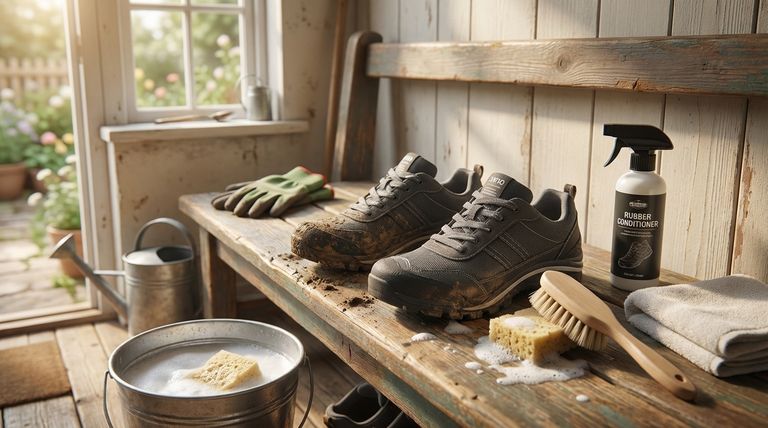
After every use, rinse your boots to remove mud and debris. For a more thorough cleaning, use lukewarm water, a soft sponge or cloth, and a mild soap solution.
A soap containing glycerine is an excellent choice as it helps begin the conditioning process.
Step 2: Dry Properly
Towel dry the exterior of the boots. Allow them to air dry completely, away from direct sunlight or sources of heat like a radiator or fireplace.
Stuffing them with newspaper can help absorb interior moisture and maintain their shape as they dry.
Step 3: Condition Periodically
This is the most critical step for long-term durability. Apply a silicone-based spray or rubber conditioner to the clean, dry boots.
This treatment nourishes the rubber, restores its luster, and provides a protective barrier against UV and ozone damage, keeping the material flexible and resilient.
Common Pitfalls to Avoid
Proper care is as much about what you do as what you don't do. Avoiding these common mistakes is crucial.
Never Use Harsh Solvents
Avoid any cleaners containing oils, solvents, or harsh detergents. These chemicals can dissolve the rubber's protective layers and cause it to become weak and sticky.
Never Use Direct Heat to Dry
Placing your boots near a fire, vent, or radiator will cook the rubber, rapidly accelerating the aging process and leading to almost certain cracking. Always air dry in a moderate, well-ventilated area.
Never Store Them Dirty or Wet
Storing boots while still caked in mud or damp on the inside is a recipe for disaster. Grime will continue to degrade the rubber, while trapped moisture can lead to mildew and rot of the inner lining.
Making the Right Choice for Your Boots
A few minutes of preventative care ensures your boots will be ready when you need them most. Tailor your routine to how you use them.
- If your boots see frequent, heavy use (e.g., daily farm work): A quick rinse after every use is non-negotiable, with a full conditioning treatment once a month.
- If your boots are for occasional use (e.g., rainy days or seasonal gardening): Always clean and condition them thoroughly before putting them away for an extended period.
A small investment in care preserves a valuable tool that keeps you safe, dry, and comfortable for years to come.
Summary Table:
| Step | Action | Key Benefit |
|---|---|---|
| 1. Clean | Rinse with mild soap & water after use. | Removes grime that degrades rubber. |
| 2. Dry | Air dry away from direct heat/sun. | Prevents heat damage and brittleness. |
| 3. Condition | Apply silicone-based conditioner periodically. | Protects from UV/ozone, keeps rubber supple. |
Need durable, high-quality rubber footwear? As a large-scale manufacturer, 3515 produces a comprehensive range of boots and shoes for distributors, brand owners, and bulk clients. Our production capabilities ensure reliable performance for your customers. Contact us today to discuss your footwear needs!
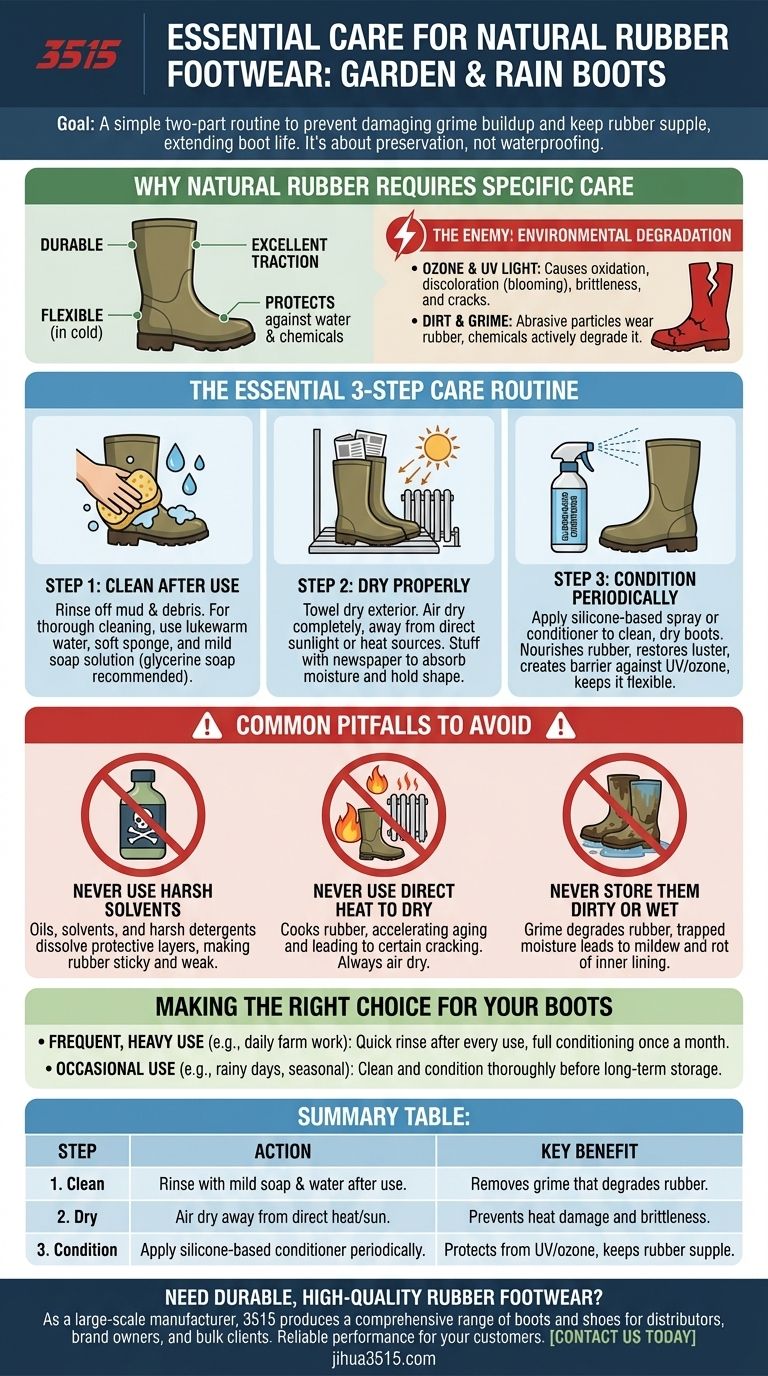
Visual Guide
Related Products
- Durable Leather Work Boots for Wholesale & Custom Manufacturing
- Factory Direct Wholesale Rain Boots Durable Waterproof & Fully Customizable
- Durable Rubber Sole Outdoor Shoes Wholesale & Custom Manufacturing
- Durable Leather Work Boots for Wholesale & Custom OEM Manufacturing
- Wholesale Leather Ankle Boots with Lug Soles for Custom Brand Manufacturing
People Also Ask
- What is the difference between full-grain and top-grain leather? Premium Material Guide for Boot Manufacturers
- What are the common workplace hazards that can be mitigated with the right work boots? Protect Your Workforce
- What are the common foot issues workers face due to uncomfortable work boots? Prevent Pain & Deformities
- What are the advantages of leather versus synthetic work boots? A Guide to Choosing the Right Material
- What are the key components of modern work boots? Engineered for Ultimate Durability and Comfort















