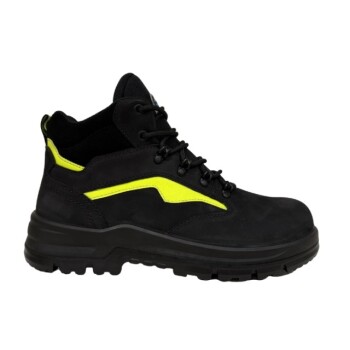
Polyurethane outsoles derive their superior slip resistance directly from their unique microporous structure combined with high physical resilience. These technical characteristics allow the outsole to deform slightly under pressure, significantly increasing the actual contact area with the walking surface and maintaining a high coefficient of friction.
The core safety advantage of Polyurethane lies in its ability to maximize ground contact through structural flexibility. By combining a microporous composition with exceptional shear resistance, these outsoles provide the stable traction necessary for high-performance protective footwear.
The Mechanics of Grip and Contact
The Microporous Structure
The defining technical characteristic of Polyurethane (PU) outsoles is their microporous structure. Unlike denser, rigid materials, this cellular composition allows the material to behave dynamically.
This structure reduces the effective hardness of the surface layer without sacrificing overall integrity. It creates a material that is compliant rather than stiff.
Maximizing Actual Contact Area
Slip resistance is physically determined by how much of the sole actually touches the floor.
Because of its physical resilience, Polyurethane adapts to the microscopic imperfections of the ground. This adaptation facilitates a larger actual contact area.
By covering more surface area at a microscopic level, the outsole generates higher friction forces, anchoring the wearer more effectively.
Durability Under Stress
Shear Resistance
Friction is not just about vertical pressure; it is about horizontal force.
Polyurethane exhibits excellent shear resistance. When a user plants their foot and pushes off, the material resists internal tearing and deformation parallel to the ground.
This ensures that the tread pattern maintains its shape and grip function even under the heavy lateral loads typical of industrial work.
Material Toughness
Safety is dependent on the longevity of the material's properties. The reference highlights the material toughness of Polyurethane as a critical component.
This toughness ensures that the outsole retains its frictional properties over time, rather than degrading quickly into a smooth, slippery surface.
Understanding the Operational Context
Environmental Performance
While Polyurethane is highly effective, it is vital to understand the environments where it excels.
Testing indicates that Polyurethane maintains a high coefficient of friction specifically in dry or lightly contaminated environments.
The Limits of Application
For safety managers, it is important to note that "superior performance" is relative to the contaminant.
While PU is effective in light contamination, the specific reliance on maximizing contact area means its effectiveness relies on the ability to touch the substrate.
Making the Right Choice for Your Safety Goals
To ensure you are selecting the correct protective footwear for your specific environment, consider the following:
- If your primary focus is dry or mixed-use environments: rely on Polyurethane outsoles for their ability to maximize contact area and provide superior traction on standard surfaces.
- If your primary focus is long-term equipment durability: prioritize Polyurethane for its shear resistance and material toughness, which prevent the rapid degradation of tread effectiveness.
Ultimately, the choice of Polyurethane offers a scientifically robust balance of flexibility and durability to effectively reduce slip risks in the workplace.
Summary Table:
| Feature | Technical Mechanism | Performance Benefit |
|---|---|---|
| Microporous Structure | Cellular composition reduces surface hardness | Increases dynamic flexibility and ground compliance |
| Actual Contact Area | Adapts to microscopic ground imperfections | Maximizes friction forces for stable anchoring |
| Shear Resistance | Resists internal tearing under lateral loads | Maintains tread integrity during push-off and pivots |
| Material Toughness | High physical resilience and durability | Ensures long-term retention of anti-slip properties |
Partner with 3515 for High-Performance Safety Footwear
As a large-scale manufacturer serving distributors and brand owners worldwide, 3515 leverages advanced Polyurethane technology to deliver superior slip resistance and durability across our entire range. Whether you need our flagship Safety Shoes, tactical boots, or professional dress shoes, our comprehensive production capabilities ensure your bulk requirements are met with precision and quality.
Enhance your product line with industry-leading traction technology. Contact us today to discuss your manufacturing needs!
References
- J. O. Abere, J. S. Ibinaiye. Slip Resistance (Friction) and Safe Walk Characteristics of Selected Shoe Soles on Floor Tiles in Nigeria. DOI: 10.37745/bjmas.2022.04210
This article is also based on technical information from 3515 Knowledge Base .
Related Products
- Durable Leather Moc Toe Work Boots for Wholesale & Custom Manufacturing
- Premium Suede Sport Safety Shoes for Wholesale & Bulk Orders
- Heavy-Duty Waterproof Nubuck Safety Boots Safety Shoes for Bulk Supply
- Advanced KPU Athletic Safety Shoe with Steel Toe Cap Anti-Slip Rotary Lacing System
- Durable Goodyear Welt Leather Work Boots for Wholesale & Private Label
People Also Ask
- What are moc toe work boots designed for? Superior Comfort and Mobility for Tradespeople
- What are the key features to look for when purchasing moc toe boots? A Guide to Durability & Fit
- How did moc toe boots originate? A Legacy of Workwear Durability and Style
- What clothing items complement the Outdoorsman/Heritage Look with moc toe boots? Build a Timeless, Rugged Wardrobe
- What types of outfits can moc toe boots be worn with? Versatile Style Guide