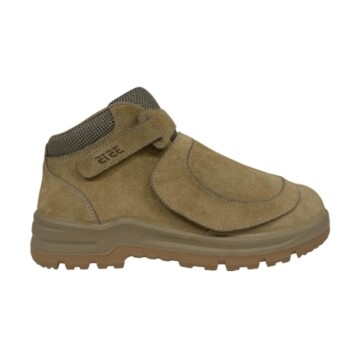
In short, the Mortar boot outsole is engineered for superior performance in cold and wet conditions. It is constructed from a specialized all-weather compound proven to maintain traction when temperatures drop. This material is further enhanced with Thermoplastic Polyurethane (TPU) to ensure high resistance against both abrasion and oil, making it a reliable foundation for challenging environments.
The core principle behind the Mortar boot's effectiveness is its specialized outsole material. Unlike standard rubber that can harden and lose grip in the cold, this all-weather compound is designed to remain pliable, ensuring consistent and safe traction on wet or slick surfaces.
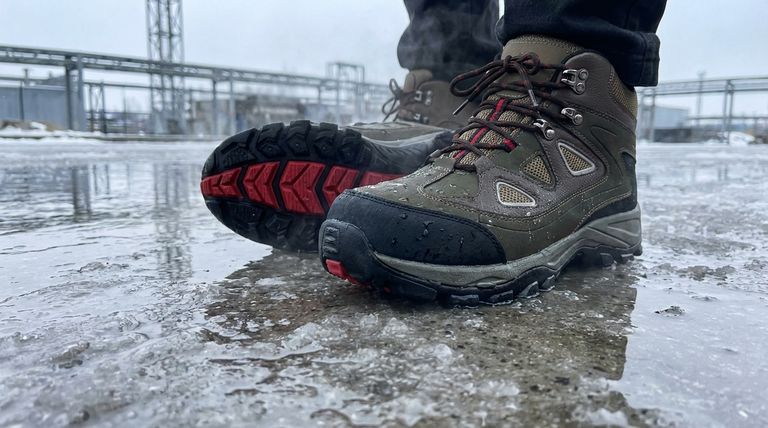
Deconstructing the Outsole's Performance
To understand why this outsole is effective, we need to look at its core components and engineering goals. The design isn't just about a single material but about how different elements work together to provide safety and durability.
The All-Weather Compound
The foundation of the outsole is a material specifically formulated to resist the effects of cold. Its chemical makeup ensures it doesn't become brittle, which is a common point of failure for lesser boots, maintaining flexibility and grip.
The Role of TPU Integration
The compound is engineered with TPU (Thermoplastic Polyurethane). This is a crucial addition that significantly boosts the outsole's durability.
TPU provides exceptional abrasion resistance, meaning the sole can withstand rough terrain like gravel or concrete without wearing down quickly. It also offers oil resistance, a critical safety feature in industrial, garage, or first-responder settings where slick chemical spills are a risk.
Engineered for Reliable Traction
The combination of the pliable compound and the durable TPU results in an outsole that provides a secure footing. This focus on traction is a primary design goal, intended to prevent slips and falls in predictably poor conditions.
Beyond the Outsole: A System for All-Condition Comfort
While the outsole provides the grip, the rest of the boot is designed as a system to keep you dry and comfortable. The outsole's performance would be meaningless if your feet were cold and wet.
Waterproofing and Breathability
High-performance boots like these typically use a waterproof membrane. This technology acts as a barrier, preventing external moisture from rain or puddles from seeping in.
Crucially, this membrane is also breathable. It allows warm, moist air (sweat) to escape from inside the boot, which is essential for keeping your feet dry from the inside out and maintaining comfort over long periods.
Insulation for Thermal Regulation
To handle cold conditions, tactical and all-weather boots incorporate insulation. This material traps body heat, keeping your feet warm even in freezing temperatures. The outsole itself is not a thermal conductor, so it won't transfer cold from the ground to your foot.
Common Pitfalls to Avoid
Even the best-designed boots have limitations that are important to understand. Acknowledging these potential issues allows you to use your gear more effectively.
The Point of Water Ingress
The most common failure point for any waterproof boot is not the material itself but the large opening at the top where you put your foot in. Water can easily run down your leg or splash over the cuff.
Mitigating Water Entry
This issue can be easily prevented. Wearing waterproof pants or bibs over the boot cuffs creates a shingled effect that directs water away. For more extreme conditions, ankle gaiters create a dedicated seal around this vulnerable area.
Traction Has Limits
The all-weather compound is designed for cold and wet surfaces, but no boot offers infallible grip on every surface. Be aware that smooth, wet ice can still pose a significant slipping hazard regardless of the outsole technology.
Making the Right Choice for Your Goal
Select your footwear based on the most critical demands of your environment.
- If your primary focus is safety on slick, industrial surfaces: The outsole's TPU integration for oil and abrasion resistance is its most valuable feature.
- If your primary focus is staying dry during prolonged rain: The boot's waterproof and breathable membrane system is the key to all-day comfort.
- If your primary focus is warmth in freezing conditions: Ensure the boot has an adequate level of insulation, as this works in tandem with the outsole to provide full protection.
By understanding how the specialized outsole and the boot's overall construction work together, you can operate confidently in the most demanding conditions.
Summary Table:
| Feature | Benefit |
|---|---|
| All-Weather Compound | Maintains flexibility and grip in cold temperatures |
| TPU Integration | Provides superior abrasion and oil resistance |
| Engineered Tread | Ensures secure footing on wet and slick surfaces |
| Waterproof Membrane | Keeps feet dry while allowing breathability |
| Insulation Options | Traps body heat for warmth in freezing conditions |
Need reliable, high-performance boots for your team or brand? As a large-scale manufacturer, 3515 produces a comprehensive range of durable footwear for distributors, brand owners, and bulk clients. Our production capabilities encompass all types of safety and tactical boots, including advanced designs like the Mortar boot. Let us help you equip your workforce with footwear that stands up to the toughest conditions. Contact our experts today to discuss your specific needs and volume requirements!
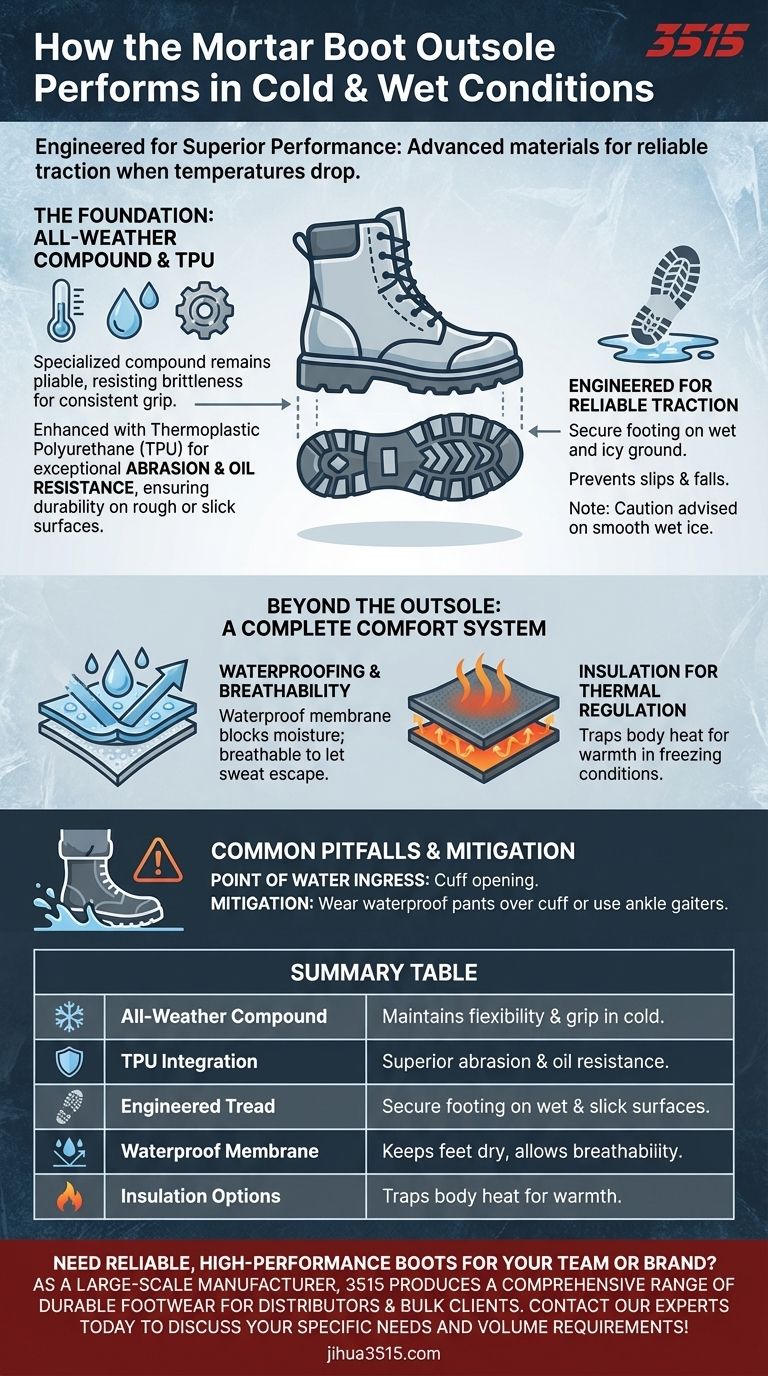
Visual Guide
Related Products
- High-Traction Suede Tactical Boots Wholesale & Custom Manufacturing
- Wholesale Lightweight Tactical Boots Custom Manufacturer for Desert & Combat Use
- Durable Moc-Toe Wedge Work Boots | Wholesale Manufacturing for Brands
- Durable Leather Moc Toe Work Boots for Wholesale & Custom Manufacturing
- Premium Suede Metatarsal Guard Safety Boots Work Shoes
People Also Ask
- Why is sequential analysis utilized to evaluate tactical boots? Master Dynamic Boot Development and Ergonomic Performance
- How does the material of tactical boots affect their performance? Choose the Right Material for Your Mission
- How do tactical boots differ from regular boots? Performance, Durability & Design Explained
- How do military uniforms and tactical boots impact the prediction of thermal risk? Essential Safety Insights
- What are the benefits of integrating FES and sEMG into tactical boots? Safety, Reliability & Field-Ready Performance