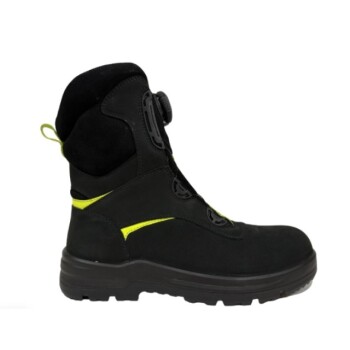
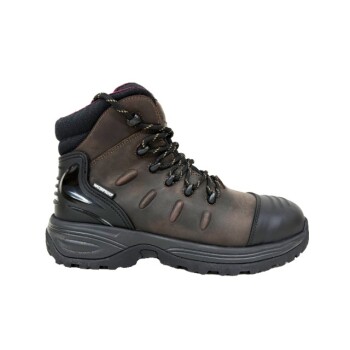
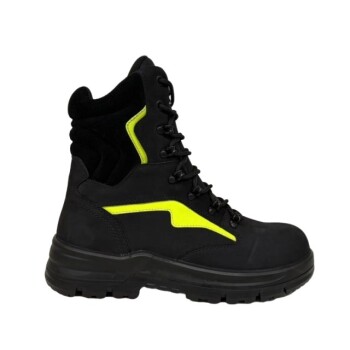
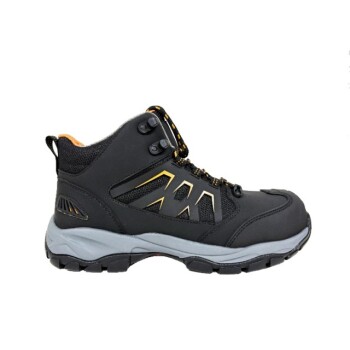
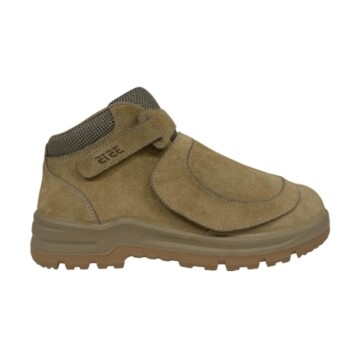
Prioritizing the provision of certified high-quality safety boots and materials is the only way to ensure consistent, reliable performance in the complex physical environments of construction and industry. By standardizing this gear, management directly addresses the gaps where workers may lack the knowledge or resources to acquire compliant equipment, effectively neutralizing the risk of injuries caused by inferior protection.
Providing standardized, certified safety gear is not merely a purchasing decision; it is a strategic control measure that establishes a robust safety barrier against production-related injuries by removing variability from the workforce’s protective equipment.
The Operational Value of Standardization
Ensuring Durability in Harsh Environments
Construction sites and industrial zones are physically complex and harsh. Certified high-quality gear is engineered to withstand these specific conditions without failure.
Relying on non-certified or lower-quality alternatives introduces a point of weakness. High-quality materials ensure that the equipment performs reliably when it matters most, maintaining the integrity of the safety protocols in place.
Creating a Consistent Safety Barrier
When management takes responsibility for providing equipment, they create a uniform standard of protection. This acts as a robust safety barrier across the entire operation.
If equipment procurement is left to individuals, safety levels fluctuate based on personal choices. Centralized provision ensures that every worker possesses the same high level of defense against workplace hazards.
Closing Gaps in Worker Compliance
Bridging the Knowledge Gap
Workers are experts in their trade, not necessarily in personal protective equipment (PPE) certification standards. They may lack the specific knowledge required to identify which boots meet the necessary safety ratings for a specific site.
By providing the gear, management removes the burden of technical selection from the worker. This ensures that technical compliance is guaranteed rather than assumed.
Solving Resource Constraints
Even with the right knowledge, workers may face resource gaps that prevent them from purchasing high-end protective gear. Financial constraints often lead to the purchase of inferior equipment.
Management provision eliminates this variable entirely. It ensures that a worker's financial situation never dictates their level of physical safety on the job.
Understanding the Trade-offs
Upfront Investment vs. Long-term Liability
Prioritizing high-quality, certified gear requires a higher initial capital outlay compared to allowing workers to source their own cheaper alternatives. Management must accept this upfront cost as necessary insurance.
However, this cost must be weighed against the potential expense of production-related injuries. The "savings" from not providing gear are often negated by the costs associated with accidents caused by equipment failure.
Logistical Complexity
shifting from a "bring your own boots" model to a "management provision" model introduces logistical challenges. It requires systems for tracking inventory, sizing, and replacement cycles.
While this adds administrative overhead, it is the only way to verify that the safety barrier remains intact over time.
Making the Right Choice for Your Safety Culture
To effectively implement this priority, consider your organization's specific safety goals:
- If your primary focus is Risk Mitigation: Centralize the procurement of all safety boots to ensure 100% compliance with certification standards, eliminating the liability of inferior worker-owned gear.
- If your primary focus is Workforce Support: Provide high-quality materials to remove the financial and technical burden from your employees, allowing them to focus entirely on their tasks.
True safety leadership is demonstrated not just by setting rules, but by providing the tools necessary to follow them.
Summary Table:
| Benefit Category | Impact of Management Provision | Value Proposition |
|---|---|---|
| Compliance | 100% adherence to technical ratings | Neutralizes risks from inferior gear |
| Durability | High-quality materials for harsh environments | Reduces equipment failure rates |
| Equity | Removes individual financial barriers | Uniform protection for all staff |
| Liability | Centralized risk mitigation | Lowers costs of production injuries |
Elevate Your Fleet's Safety with 3515 Production Excellence
As a large-scale manufacturer serving global distributors and brand owners, 3515 offers comprehensive production capabilities for all footwear types. We specialize in anchoring your inventory with our flagship Safety Shoes series, engineered for the most demanding industrial environments.
Our extensive portfolio covers work and tactical boots, outdoor shoes, training shoes, and sneakers, as well as Dress & Formal shoes to meet your diverse bulk requirements. Partner with us to provide your clients with the durability and certification they demand.
Ready to secure high-quality safety solutions? Contact us today to discuss your bulk production needs.
References
- Mohamed Abdinur Mohamed, Yasin Ahmed Addow. Study on Labour Safety for Construction Companies in Mogadishu, Somalia. DOI: 10.47363/jcert/2022(4)138
This article is also based on technical information from 3515 Knowledge Base .
Related Products
- Puncture-Resistant Velcro Safety Boots for Wholesale & Custom Manufacturing
- Wholesale Durable Safety Boots | Custom Steel Toe & Puncture-Resistant Manufacturing
- Premium Grain Leather Safety Boots for Bulk Supply
- Heavy-Duty Waterproof Nubuck Safety Boots Safety Shoes for Bulk Supply
- Premium High-Cut Waterproof Safety Boots Manufacturing & Wholesale Solutions
People Also Ask
- Why are industrial safety boots with steel toes necessary for machine operators? Essential Foot Protection for Safety
- What are the characteristics of steel toe safety boots? Maximum Protection, Key Trade-offs
- Is it true that steel toes can cause toes to get cut off? Debunking the Dangerous Myth
- What are the primary safety functions of safety boots with steel-toe designs? Essential Protection for Industry
- What do the symbols M, F, I, and C represent on safety toe boots? Decode ASTM F2413 for Maximum Protection