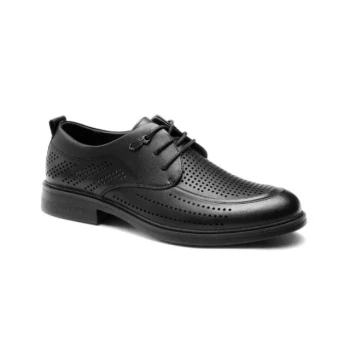
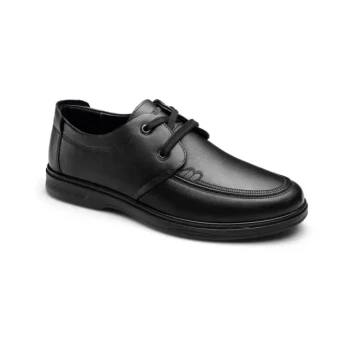
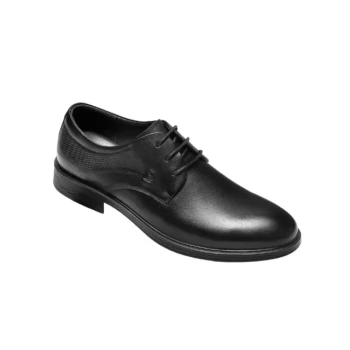
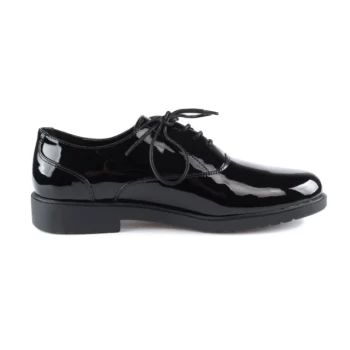
The impact of country of origin on leather quality is primarily defined by the specific tanning traditions and hide-sourcing standards of those regions. While the geographic location provides the raw material, it is the integration of high-end sourcing from regions like Argentina or Italy with sophisticated tanning processes that determines the leather's ability to resist wear, discoloration, and thinning over time.
Core Takeaway: For B2B stakeholders, the country of origin serves as a proxy for technical standards; true quality and durability emerge when premium raw hides are processed through stable, long-standing manufacturing systems that prioritize material consistency and structural integrity.
The Influence of Geographic Sourcing on Raw Material
The Distinction Between High-End Hides and Mineral Tanning
The country of origin often dictates the fundamental tanning method, which is the primary driver of long-term durability. High-end hides from established regions are renowned for their luxury appearance and their natural ability to withstand heavy daily use without losing structural form.
Conversely, lower-level grades of mineral-tanned leather may offer an appealing initial aesthetic but are prone to faster wear and significant thinning. For large-scale distributors, relying on origins that prioritize these lower-tier processes can lead to higher return rates and diminished brand trust.
The Role of Heritage in Leather Standards
Regions with a rich heritage since 1951 or earlier have developed specialized expertise in selecting cattle leather with the necessary flexibility and breathability. This long-term industrial experience ensures that the raw materials meet the rigorous demands of premium OEM/ODM capabilities.
Why Material Quality Dictates Manufacturing Success
Maintaining Stable Yield Rates at Scale
High-quality leather with uniform thickness and tensile strength is the foundation of a stable manufacturing process. When material properties are consistent, production equipment can operate at optimal pressure and speed, ensuring a stable yield rate across massive production volumes.
If raw material quality fluctuates due to poor sourcing, it becomes nearly impossible to maintain consistency, even with state-of-the-art equipment. This often results in product deformation or cracking during the intensive cutting and lasting stages.
Enhancing Durability through Proper Lasting
Premium leather adapts more effectively to the shoe lasting and shaping stages, which are critical for maintaining the shoe's silhouette. This adaptability reduces the risk of the footwear deforming after the manufacturing process is complete.
For the end-user, this translates to better support and comfort during long-term wear. For the brand owner, it ensures that the product maintains its "shelf appeal" and structural integrity throughout the entire retail lifecycle.
Understanding the Trade-offs in Leather Sourcing
Balancing Aesthetic Appeal with Long-Term Wear
One of the most common pitfalls in leather sourcing is prioritizing "out-of-the-box" softness over ductility and wear resistance. While mineral-tanned leathers can be processed to feel exceptionally soft, they often lack the fiber density required to prevent premature thinning.
The Risk of Supply Chain Instability
Sourcing from regions without a robust supply chain can lead to significant delays in large-volume delivery. High-quality leather production requires efficient coordination between suppliers and workers; any break in this chain compromises the execution of complex footwear designs.
Making the Right Choice for Your Goal
As a professional distributor or brand owner, your choice of leather origin should align with your specific market positioning and production scale.
- If your primary focus is brand longevity and high-end retail: Prioritize hides from regions known for traditional tanning methods that enhance natural breathability and ductility.
- If your primary focus is massive production scale and consistency: Select partners with international certifications and a proven history of managing uniform material inputs to ensure stable yield rates.
- If your primary focus is technical innovation and hybrid designs: Ensure the selected leather, such as patent or chrome-tanned cattle leather, can synergize effectively with modern components like 3D-printed parts.
Ultimately, the durability of leather footwear is a direct result of how effectively a manufacturer can synthesize high-quality raw materials with a stable, expert production system.
Summary Table:
| Key Factor | Impact on Quality & Durability | B2B Manufacturing Advantage |
|---|---|---|
| Tanning Tradition | Determines resistance to wear, thinning, and discoloration. | Ensures brand longevity and lower return rates. |
| Sourcing Origin | Influences fiber density, uniform thickness, and tensile strength. | Maintains stable yield rates during massive production. |
| Industrial Heritage | Experts select cattle leather for optimal flexibility and breathability. | Guarantees consistent premium OEM/ODM capabilities. |
| Supply Chain Stability | Ensures consistent material input for complex footwear designs. | Supports robust, large-volume delivery schedules. |
Partner with a Legacy of Manufacturing Excellence
Elevate your product line with 3515, a large-scale manufacturer with a rich heritage since 1951. We understand that the foundation of high-quality footwear lies in superior material sourcing and stable production systems.
Why Choose 3515?
- Massive Production Scale: Reliable large-volume delivery across all footwear types, from our flagship Safety Shoes to tactical boots, sneakers, and formal shoes.
- Premium OEM/ODM Capabilities: Tailored solutions for brand owners and distributors, supported by state-of-the-art equipment and international certifications.
- Unmatched Stability: Our robust supply chain and decades of expertise ensure consistent material quality and high yield rates for your brand.
Ready to scale your business with a partner who prioritizes durability and structural integrity?
Contact 3515 Today to Discuss Your Bulk Requirements
Related Products
- Durable Leather Work Boots for Wholesale & Custom Manufacturing
- Durable Leather High-Ankle Tactical Boots for Wholesale & Custom Manufacturing
- Custom Breathable Perforated Leather Derby Shoes for Wholesale & Brands
- Wholesale Women's Leather Derby Shoes Custom Factory Production
- Durable Leather Tactical Boots Wholesale & Custom Manufacturing for Brands
People Also Ask
- What is the difference between full-grain and top-grain leather? Premium Material Guide for Boot Manufacturers
- What are the common workplace hazards that can be mitigated with the right work boots? Protect Your Workforce
- What are the common foot issues workers face due to uncomfortable work boots? Prevent Pain & Deformities
- What are the advantages of leather versus synthetic work boots? A Guide to Choosing the Right Material
- What are the key components of modern work boots? Engineered for Ultimate Durability and Comfort