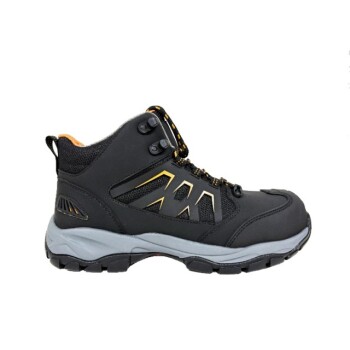
A bevelled heel design acts as a geometric intervention at the rear of a shoe’s outsole, specifically engineered to create a sloped surface rather than a sharp 90-degree edge. This structural modification facilitates a seamless rollover during the initial contact phase of walking, directly optimizing pressure distribution and minimizing the mechanical shock typically generated when the heel strikes the ground.
By smoothing the critical transition from heel-strike to mid-stance, a bevelled heel reduces impact vibrations and mitigates unstable moments, acting as a foundational element for dynamic stability throughout the gait cycle.
Mechanics of the Bevelled Heel
Optimizing the Initial Contact
The primary function of a bevelled heel is to alter how the foot interacts with the ground at the very moment of impact.
By incorporating a specific slope at the rear of the outsole, the shoe allows the foot to roll into contact rather than slapping down abruptly. This design choice effectively mimics the natural curvature of the human calcaneus (heel bone).
Distributing Pressure
During a standard gait cycle, the moment of heel contact generates significant localized pressure.
A bevelled design expands the surface area available during this initial phase, optimizing pressure distribution. This prevents force from concentrating in a single, jarring point, which is critical for long-term joint health and comfort.
Reducing Impact Vibrations
The physical geometry of the bevel acts as a passive shock absorber.
By softening the angle of attack, the design significantly reduces impact vibrations. This prevents shockwaves from traveling up the kinetic chain into the ankles, knees, and hips during the heel-strike phase.
Enhancing Dynamic Stability
Smoothing the Transition Phase
Stability in walking is often lost during the shift from one phase of the gait to the next.
The bevelled heel specifically targets the transition from heel-strike to mid-stance. By removing the sharp rear edge of the shoe, the design eliminates the "braking" effect that can cause stumbles, ensuring a fluid forward progression.
Mitigating Unstable Moments
In biomechanics, a "moment" refers to a turning effect produced by a force.
Standard block heels can create lever arms that generate unstable rotational forces upon contact. The bevelled design reduces these unstable moments, preventing the foot from rocking unpredictably and enhancing the wearer's overall balance.
Understanding the Holistic Context
The Role of Heel Height
While a bevelled edge optimizes the strike, it cannot compensate for excessive elevation.
Heel height remains a significant factor in postural control; high heels inherently increase fall risk. For optimal stability, particularly in elderly populations, a bevelled design should be paired with a low-to-medium heel height to maintain mechanical balance.
The Necessity of Secure Fit
A stable outsole is ineffective if the foot slides internally.
Structural features like the bevel must be complemented by upper designs, such as adjustable straps, to lock the foot in place. This prevents heel slippage and ensures the foot remains aligned with the bevelled outsole for effective medial and lateral control.
Making the Right Choice for Your Goal
When evaluating supportive footwear, look for how the outsole geometry interacts with other stability features.
- If your primary focus is Shock Absorption: Prioritize a distinct bevelled slope at the rear of the outsole to minimize impact vibrations during heel strike.
- If your primary focus is Fall Prevention: Combine the bevelled design with a low heel profile to ensure maximum postural control and mechanical stability.
- If your primary focus is Active Gait Quality: Ensure the shoe includes adjustable straps to lock the heel in place, allowing the bevelled outsole to function without internal slippage.
True dynamic stability is achieved when the geometry of the sole works in unison with the security of the upper to support the natural flow of human movement.
Summary Table:
| Feature | Mechanical Impact | Primary Benefit |
|---|---|---|
| Geometric Slope | Mimics natural calcaneus curvature | Smoother rollover at initial contact |
| Bevelled Geometry | Expands initial contact surface area | Optimized pressure distribution |
| Softened Attack Angle | Passive shock absorption | Significant reduction in impact vibrations |
| Reduced Lever Arm | Minimizes rotational force moments | Mitigates unstable moments and stumbles |
| Transition Control | Fluid shift from heel-strike to mid-stance | Enhanced forward progression |
Partner with 3515 for High-Performance Stability Footwear
As a premier large-scale manufacturer, 3515 specializes in delivering superior gait-optimized footwear to distributors and brand owners worldwide. Our deep expertise in biomechanical design—ranging from our flagship Safety Shoes to Tactical Boots, Outdoor Shoes, and Formal Footwear—ensures your products offer industry-leading shock absorption and dynamic stability.
Why Choose 3515?
- Advanced Engineering: Integration of bevelled heel technology for maximum impact reduction.
- Bulk Manufacturing Excellence: Robust production capabilities for diverse footwear categories.
- Targeted Reliability: Specifically designed to meet the rigorous demands of work and tactical environments.
Ready to elevate your footwear line with science-backed stability? Contact us today to discuss your bulk requirements!
References
- Ameer Nor Azhar, Hylton B. Menz. Effects of supportive and minimalist footwear on standing balance and walking stability in older women. DOI: 10.1186/s13047-023-00634-y
This article is also based on technical information from 3515 Knowledge Base .
Related Products
- Durable Steel Toe Safety Boots Wholesale & Custom Manufacturing
- Wholesale Customizable Safety Boots Durable & Protective Footwear Manufacturing
- Wholesale Durable Safety Boots | Custom Steel Toe & Puncture-Resistant Manufacturing
- Wholesale Leather Work Boots with Customizable Wedge Sole for Brands
- Durable High-Ankle Tactical Boots Wholesale Manufacturer for Custom & Bulk Orders
People Also Ask
- Why are industrial safety boots with steel toes necessary for machine operators? Essential Foot Protection for Safety
- Why is it mandatory to wear safety shoes with steel toe protection during metal loading? Prevent Crushing Injuries
- What are the main materials used in steel toe safety shoes? A Guide to Protective Footwear Construction
- What are the characteristics of steel toe safety boots? Maximum Protection, Key Trade-offs
- Is it true that steel toes can cause toes to get cut off? Debunking the Dangerous Myth