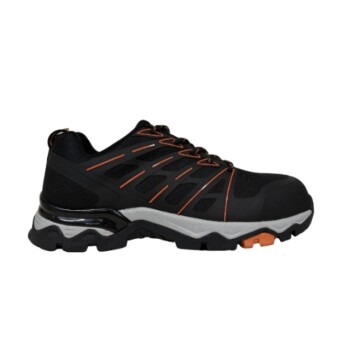
Professional safety shoes act as a comprehensive physical barrier specifically engineered to withstand the rigorous hazards of heavy industrial environments like shipyards. They provide core protection through a combination of reinforced toe caps that deflect heavy impacts, puncture-resistant midsoles that shield against sharp debris, and specialized outsoles designed to prevent slips and insulate against electrical hazards.
In heavy industrial settings, safety footwear is not merely clothing but a critical safety system that disperses impact energy, blocks penetrative forces, and isolates the wearer from environmental hazards like electricity and toxic dust.
Mechanisms of Physical Protection
To understand how these shoes function in a shipyard, one must look at the specific engineering controls built into the footwear's structure.
Impact Resistance and Energy Dispersion
Reinforced safety toe caps are the first line of defense against falling steel plates, tools, or heavy machinery parts.
These components do more than simply cover the toes; they are engineered to disperse instantaneous force. By spreading the energy of an impact across a wider area, the shoe prevents concentrated trauma that leads to bone cracks or fractures.
Defense Against Puncture Wounds
Shipyard floors are frequently littered with sharp metal scraps, nails, and jagged debris.
Puncture-resistant midsoles create an impenetrable layer between the outsole and the footbed. This ensures that sharp objects cannot pierce the sole and penetrate the foot, a common injury in environments handling raw construction materials.
Environmental Hazard Mitigation
Beyond direct physical trauma, shipyards present complex environmental risks that require specialized material properties.
Traction in Wet Conditions
Hull construction zones are often wet, oily, or slick, increasing the probability of falls.
Specialized slip-resistant outsoles provide critical traction on these unstable surfaces. This feature is fundamental for maintaining stability while navigating the complex, often uneven terrain of a ship under construction.
Electrical Isolation
Shipyards are electrically complex environments where wiring and power sources are ubiquitous.
Safety shoes designed for these zones often feature electrical insulation properties. These materials act as a non-conductive barrier, significantly reducing the risk of electric shocks when working near live circuits or in damp conditions.
Barrier Against Hazardous Materials
Industrial environments may expose workers to toxic substances, such as asbestos or chemical contaminants.
The dense materials and structural design of professional safety shoes effectively block hazardous dust and fluids from contacting the skin. This also prevents workers from tracking dangerous fibers out of the work zone, reducing the risk of secondary contamination in clean areas.
Understanding the Operational Trade-offs
While maximum protection is the goal, it is important to recognize the limitations inherent in heavy-duty safety footwear.
Weight vs. Fatigue
The robust materials required for impact and puncture resistance—such as steel or dense composites—inevitably add weight to the shoe.
Heavier footwear can lead to increased leg fatigue during prolonged standing or walking. While comfortable inner linings help alleviate this, the trade-off between maximum armor and worker agility is a constant consideration.
Rigidity vs. Sensory Feedback
To prevent crushing injuries, the soles of these shoes are often quite rigid.
This rigidity provides a stable platform, which is beneficial for sensor-based gait recognition or exoskeleton use. However, it can reduce the wearer's natural "feel" of the ground, requiring workers to be more deliberate when placing their feet on uneven surfaces.
Making the Right Choice for Your Goal
To ensure maximum safety, match the footwear's specific protective features to the primary risks present in your specific zone of the shipyard.
- If your primary focus is heavy structural assembly: Prioritize reinforced toe caps and puncture-resistant midsoles to mitigate risks from falling steel and sharp scrap metal.
- If your primary focus is electrical installation: Ensure the footwear is rated for electrical hazard (EH) protection to isolate workers from live currents in complex hull zones.
- If your primary focus is hazardous material handling: Select footwear with dense, impermeable materials that prevent chemical adhesion and skin contact.
By aligning the technical specifications of safety footwear with environmental risks, you transform a basic compliance requirement into a critical asset for long-term worker health.
Summary Table:
| Protection Mechanism | Feature Component | Primary Industrial Hazard Addressed |
|---|---|---|
| Impact Resistance | Reinforced Toe Caps | Falling steel plates, heavy tools, and machinery |
| Puncture Defense | Midsole Plates | Sharp metal scraps, nails, and jagged debris |
| Stability | Slip-Resistant Outsoles | Wet, oily hull zones and slick surfaces |
| Electrical Safety | Non-conductive Materials | Live circuits and complex electrical wiring |
| Health Barrier | Impermeable Materials | Toxic dust, chemical fluids, and asbestos exposure |
Secure Your Workforce with Industrial-Grade Footwear Solutions
As a large-scale manufacturer serving distributors and brand owners, 3515 offers comprehensive production capabilities for all footwear types, anchored by our flagship Safety Shoes series. We understand the rigorous demands of shipyards and heavy industry, providing footwear engineered for maximum impact dispersion and environmental isolation.
Our extensive portfolio covers:
- Work & Tactical Boots for extreme durability.
- Safety Footwear with puncture-resistant and electrical hazard protection.
- Outdoor, Training, & Sneakers for versatile utility.
- Dress & Formal Shoes for professional bulk requirements.
Contact 3515 today to discuss your bulk manufacturing needs and discover how our expertise can enhance your product line and protect your end-users.
References
- Andi Giovanni, Theresia Amelia Pawitra. Risk Analysis of Occupational Health and Safety Using Hazard Identification, Risk Assessment and Risk Control (HIRARC) Method (Case Study in PT Barokah Galangan Perkasa). DOI: 10.22441/ijiem.v4i2.20398
This article is also based on technical information from 3515 Knowledge Base .
Related Products
- Premium Suede Sport Safety Shoes for Wholesale & Bulk Orders
- Premium Lightweight Safety Shoes for Wholesale & Bulk Orders
- Wholesale Anti-Smash & Puncture-Proof Safety Shoes Custom Manufacturing for Brands
- Premium KPU Injection Athletic Style Safety Shoes
- Premium Safety Shoes with Rotating Buckle Safety Sneakers
People Also Ask
- What are the primary functions of professional safety shoes? Maximize Safety in Water Supply Confined Spaces
- What industries have specific OSHA footwear requirements? Ensure Compliance & Protect Your Workforce
- What role do specialized safety shoes play in preventing falls? Engineering Stability in Industrial Environments
- What are the main components of safety shoes? A Guide to Protective Footwear Design
- How Specialized Footwear Impacts Side-Cutting Performance and Injury Risk Assessment