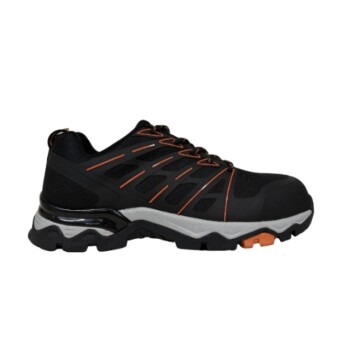
Professional-grade safety shoes act as a comprehensive mitigation system against the specific physical hazards found in manufacturing and construction. By integrating anti-smash reinforcement, anti-puncture layers, and high-performance grip, these shoes create a physical barrier that drastically limits the transfer of force to the foot during an accident. This intervention directly lowers the "disability index" of injuries, transforming potentially career-ending trauma into manageable incidents with shorter recovery times.
Core Takeaway While safety protocols aim to prevent accidents entirely, professional-grade footwear serves as the critical last line of defense to control damage. By mechanically limiting impact severity, these shoes directly correlate to reduced sick leave duration and lower long-term disability rates for the workforce.
The Mechanics of Injury Mitigation
To understand how these shoes reduce injury severity, we must look at the specific engineering features designed to counter high-risk environmental hazards.
Anti-Smash Reinforcement
In sectors like construction, the risk of heavy objects falling or crushing the foot is constant. Professional footwear incorporates reinforced toe caps—often steel or composite—designed to withstand significant compression.
This reinforcement absorbs and redistributes impact energy. It ensures that a crushing event results in damage to the shoe rather than a catastrophic fracture or amputation of the toes.
Anti-Puncture Defense
Manufacturing and construction sites are often littered with sharp objects, such as nails, scrap metal, or glass. Professional shoes feature specialized anti-puncture layers embedded within the sole.
These layers prevent sharp items from piercing through to the foot. This turns a potential puncture wound—which carries high infection risks and long recovery times—into a harmless encounter with debris.
Superior Grip Performance
Slips on wet, uneven, or oily surfaces are a leading cause of workplace accidents. Professional-grade shoes utilize slip-resistant outsoles with specialized tread patterns.
By stabilizing the worker's footing, these shoes reduce the frequency of falls. Even when a slip occurs, superior traction can help the worker recover balance, preventing the full force of a fall and minimizing secondary injuries.
The Impact on Workforce Health and Operations
The value of professional footwear extends beyond the immediate physical protection of the wearer.
Lowering the Disability Index
The primary reference highlights a direct link between protective footwear and a lower "disability index." Because the shoes dampen the severity of the physical trauma, injuries that do occur are less debilitating.
Shortening Sick Leave
When injury severity is reduced, recovery times are naturally accelerated. A worker protected by professional gear may suffer a bruise rather than a break, significantly shortening the duration of sick leave.
This reduction in downtime protects project timelines. It prevents the operational delays and legal liabilities often associated with severe industrial accidents.
The Role of Standardization
Relying on personal, non-standardized footwear introduces inconsistent safety variables. Professional-grade shoes offer a verified, predictable level of protection.
Standardization eliminates the "weakest link" in personal protective equipment (PPE). It facilitates better risk management by ensuring every worker on a complex site has the same baseline defense against hazards.
Understanding the Trade-offs
While professional safety shoes are essential, they are not a "silver bullet" for site safety. It is important to recognize their limitations to maintain a realistic safety strategy.
The Limits of Physical Barriers
Safety shoes reduce severity, but they cannot withstand infinite force. Extremely heavy machinery or catastrophic structural failures can exceed the crush rating of even the best footwear.
The "Last Line of Defense" Reality
PPE is the bottom of the hierarchy of hazard controls. Relying solely on shoes without addressing the root causes of hazards—such as poor housekeeping or lack of guardrails—is a fundamental safety error.
Comfort vs. Protection
Heavily reinforced shoes can be heavier and less breathable than standard footwear. If shoes are uncomfortable, workers may avoid wearing them or suffer from fatigue, which ironically can lead to other types of accidents.
Making the Right Choice for Your Goal
Selecting the right safety footwear is a strategic decision that affects both individual health and project success.
- If your primary focus is reducing long-term disability costs: Prioritize footwear with certified anti-smash and anti-puncture ratings to minimize trauma during unavoidable accidents.
- If your primary focus is preventing accidents before they happen: Focus on outsoles with high-traction, slip-resistant specifications to manage risks in wet or uneven environments.
- If your primary focus is operational consistency: Implement a standardized footwear policy to eliminate variables and ensure verified protection levels across the entire workforce.
Investing in professional-grade footwear is not just an equipment purchase; it is an investment in minimizing the human and operational cost of high-risk work.
Summary Table:
| Safety Feature | Hazard Addressed | Impact on Injury Severity |
|---|---|---|
| Anti-Smash Toe Caps | Falling objects / Crushing | Prevents fractures and amputations |
| Anti-Puncture Layers | Sharp debris / Nails | Blocks piercing wounds and infection risks |
| Slip-Resistant Outsoles | Wet/Oily/Uneven surfaces | Reduces fall frequency and secondary trauma |
| Standardized Materials | Inconsistent protection | Provides predictable, verified defense levels |
Secure Your Workforce with 3515 Professional Footwear
As a large-scale manufacturer serving distributors and brand owners, 3515 offers comprehensive production capabilities for all footwear types. Our flagship Safety Shoes series is specifically engineered to reduce the disability index and operational downtime in high-risk sectors. From work and tactical boots to outdoor and training shoes, we provide bulk solutions tailored to your safety requirements.
Ready to enhance your safety standards? Contact us today to discuss your bulk manufacturing needs
References
- Caterina Alacevich, Catia Nicodemo. The Effect of Immigration on Occupational Injuries: Evidence from Administrative Data*. DOI: 10.1111/obes.12572
This article is also based on technical information from 3515 Knowledge Base .
Related Products
- Premium Suede Sport Safety Shoes for Wholesale & Bulk Orders
- Premium Lightweight Safety Shoes for Wholesale & Bulk Orders
- Wholesale Anti-Smash & Puncture-Proof Safety Shoes Custom Manufacturing for Brands
- Premium KPU Injection Athletic Style Safety Shoes
- Premium Safety Shoes with Rotating Buckle Safety Sneakers
People Also Ask
- What are the primary functions of professional safety shoes? Maximize Safety in Water Supply Confined Spaces
- What industries have specific OSHA footwear requirements? Ensure Compliance & Protect Your Workforce
- What role do specialized safety shoes play in preventing falls? Engineering Stability in Industrial Environments
- What happens during the cutting stage of safety shoes manufacturing? Precision, Process & Quality
- Why is barefoot walking used as a baseline in gait safety research? Unlocking Natural Biomechanics for Shoe Design