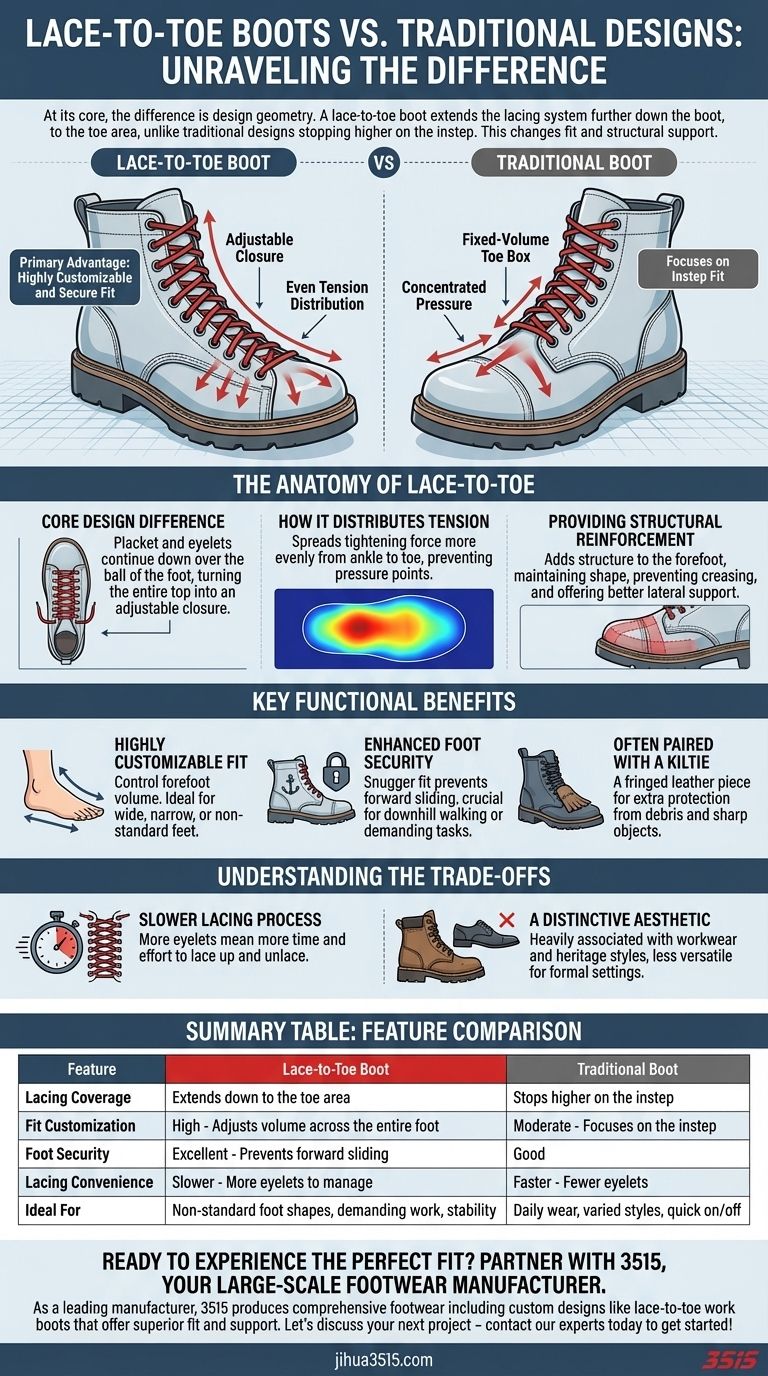
At its core, the difference is a simple matter of design geometry. A lace-to-toe boot extends the lacing system further down the boot, all the way to the toe area, whereas a traditional design stops the laces higher up on the instep. This seemingly minor adjustment fundamentally changes how the boot secures to your foot, impacting everything from fit to overall structural support.
The primary advantage of a lace-to-toe design is not just its look, but its ability to offer a highly customizable and secure fit across the entire foot, especially for individuals with wider or narrower forefeet.
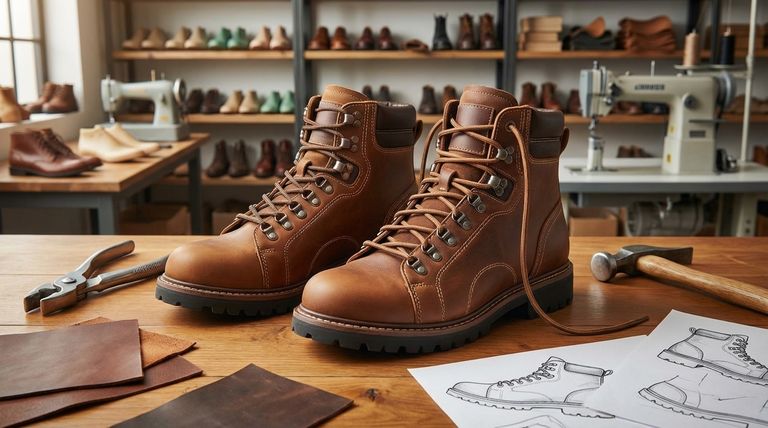
The Anatomy of a Lace-to-Toe Boot
To understand the functional benefits, we first need to look at the structural differences. The placement of the eyelets dictates how pressure is applied and managed.
The Core Design Difference
In a traditional boot, the lacing placket (the part with the eyelets) ends before your foot begins to widen at the toes. This creates a fixed-volume toe box.
In a lace-to-toe boot, the placket and eyelets continue down over the ball of the foot. This turns the entire top of the boot into an adjustable closure.
How It Distributes Tension
By adding more lacing points further down, the lace-to-toe design spreads the tightening force more evenly. Instead of concentrating pressure solely on the top of your instep, it allows you to secure the boot uniformly from your ankle down to your toes.
Providing Structural Reinforcement
This extended lacing system adds a significant amount of structure to the forefoot area. The multiple eyelets and the tension from the laces help the boot maintain its shape around the ball of your foot, preventing excessive flexing or creasing and offering better lateral support.
Key Functional Benefits
The design of a lace-to-toe boot directly translates into tangible advantages, particularly for those who spend long hours on their feet or have specific fit requirements.
A Highly Customizable Fit
This is the most significant benefit. The ability to tighten or loosen the laces over the toe box allows you to precisely control the volume of the forefoot. This is a game-changer for people with wide feet, narrow feet, or feet with a high or low volume.
Enhanced Foot Security
A snugger fit around the ball of the foot prevents your foot from sliding forward inside the boot. This is especially critical when walking downhill or performing physically demanding tasks, as it reduces internal friction that can lead to blisters and hotspots.
Often Paired with a Kiltie
Many lace-to-toe boots feature a "kiltie," a fringed piece of leather that sits under the laces on the tongue. This component provides an extra layer of protection, guarding the boot's tongue from debris and adding a buffer against sharp objects.
Understanding the Trade-offs
No design is perfect for every situation. While lace-to-toe offers superior fit customization, it comes with practical considerations.
Slower Lacing Process
More eyelets mean more time and effort are required to lace up and unlace the boots. For someone who needs to take their boots on and off frequently throughout the day, this can be a minor inconvenience.
A Distinctive Aesthetic
The look of a lace-to-toe boot is heavily associated with workwear and heritage styles. While highly functional, this aesthetic may not be as versatile or suitable for more formal or business-casual settings compared to a traditional design.
Making the Right Choice for Your Goal
The best design depends entirely on your priorities for fit, convenience, and performance.
- If your primary focus is a precise, customized fit: The lace-to-toe design is unequivocally superior, especially if you have non-standard foot dimensions.
- If your primary focus is maximum support and stability: Lace-to-toe offers better structural integrity and foot security for demanding work environments.
- If your primary focus is convenience and versatility: A traditional lacing system is faster for daily wear and often comes in more varied styles.
Ultimately, choosing the right lacing system is the first step toward finding a boot that works with your foot, not against it.
Summary Table:
| Feature | Lace-to-Toe Boot | Traditional Boot |
|---|---|---|
| Lacing Coverage | Extends down to the toe area | Stops higher on the instep |
| Fit Customization | High - Adjusts volume across the entire foot | Moderate - Focuses on the instep |
| Foot Security | Excellent - Prevents forward sliding | Good |
| Lacing Convenience | Slower - More eyelets to manage | Faster - Fewer eyelets |
| Ideal For | Non-standard foot shapes, demanding work, stability | Daily wear, varied styles, quick on/off |
Ready to Experience the Perfect Fit? Partner with 3515, Your Large-Scale Footwear Manufacturer.
As a leading manufacturer, 3515 produces a comprehensive range of footwear for distributors, brand owners, and bulk clients. Our production capabilities encompass all types of shoes and boots, including custom designs like lace-to-toe work boots that offer superior fit and support.
We can help you deliver the exact performance and comfort your customers need. Let's discuss your next project – contact our experts today to get started!
Visual Guide
Related Products
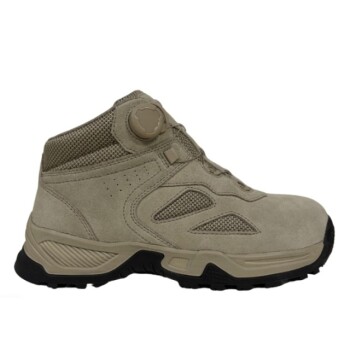
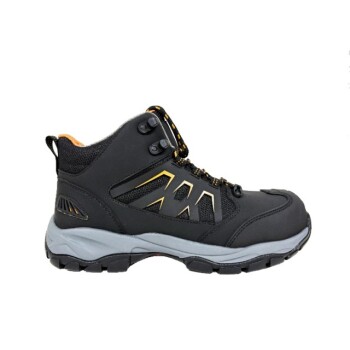
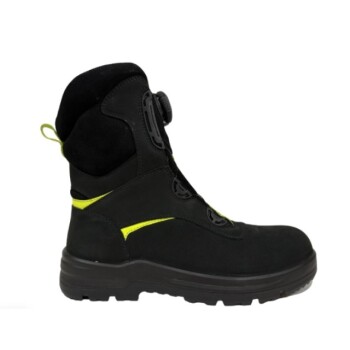
- Durable Goodyear Welt Leather Work Boots for Wholesale & Private Label
- Premium Wholesale Wheat Nubuck Safety Boot with Rapid Lacing System
- Wholesale Classic Leather Lace-Up Ankle Boots for Brand Manufacturing
- Premium Wholesale Tactical Style Safety Shoes Boots with Quick Lacing
- Advanced KPU Athletic Safety Shoe with Steel Toe Cap Anti-Slip Rotary Lacing System
People Also Ask
- What is the difference between full-grain and top-grain leather? Premium Material Guide for Boot Manufacturers
- What are the advantages of leather as an upper material for work boots? Unmatched Durability & Custom Comfort
- Why is it important to waterproof leather work boots? Protect Your Investment and Performance
- How should new leather work boots be broken in? A Guide to Comfort and Durability
- What are the advantages of leather uppers in work boots? Unmatched Durability & Protection