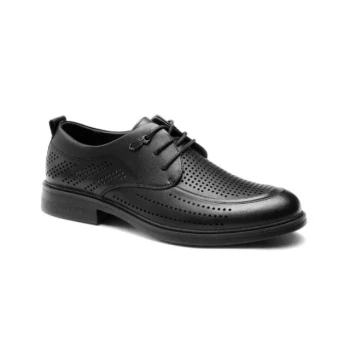
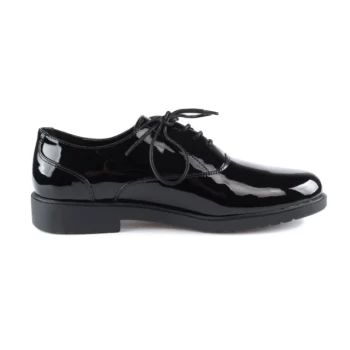
Integrated finishing and inspection stations act as the final gatekeepers of quality. These systems ensure the leather surface achieves uniform color and natural luster while verifying structural integrity through specialized testing. This dual process guarantees that the footwear meets strict technical indicators and customer expectations before leaving the factory.
By combining aesthetic refinement with rigorous structural testing, these stations transform raw manufacturing into premium products. They ensure that every pair meets technical industry standards for durability, bonding strength, and visual consistency.
The Role of Aesthetic Refinement
Achieving Visual Consistency
Integrated coloring equipment is designed to correct variations inherent in natural hides. By applying color treatments precisely, these stations ensure the leather surface possesses a uniform color across the entire production run.
Enhancing Texture and Luster
Beyond simple coloration, the polishing process enhances the visual texture of the finished product. This equipment brings out a natural luster, giving the footwear the premium appearance required for high-end business or formal markets.
The Foundation of Material Quality
While polishing refines the surface, the underlying quality is established earlier by leather processing chemicals. These chemicals determine the leather's initial durability, softness, and grade. The finishing stations cannot create quality from scratch; they maximize the potential of these chemically treated materials to meet competitive market standards.
Rigorous Quality Verification
Testing Structural Integrity
Once the aesthetic standards are met, the footwear moves to inspection stations. Here, specialized tools are utilized to verify stitching integrity. This ensures that the assembly is robust and capable of withstanding daily wear.
Verifying Bonding Strength
For both protective and business footwear, the connection between the sole and the upper is critical. Quality inspection stations rigorously test the bonding strength to prevent delamination or failure under stress.
Identifying Material Defects
The final step involves scanning for irregularities. Specialized tools detect material defects that may have escaped earlier stages. This ensures that only products meeting technical industry indicators are released to the customer.
Understanding the Trade-offs
The Limits of Surface Finishing
While integrated polishing can enhance appearance, it is dependent on the raw material. If the initial tanning process or chemical supply was unstable, polishing may mask issues temporarily but cannot fix fundamental flaws in softness or durability.
Balancing Speed and Precision
Automated inspection tools offer consistency, but they require precise calibration. Overly sensitive settings may reject acceptable variances (false positives), while loose settings risk letting bonding or stitching defects reach the customer.
Ensuring Compliance for Your Market
If your primary focus is high-end business footwear: Ensure your process prioritizes integrated polishing and coloring to guarantee natural luster and uniform visual texture.
If your primary focus is protective or safety footwear: Prioritize the calibration of quality inspection tools to rigorously verify bonding strength and stitching integrity against technical industry indicators.
Final consistency relies on the seamless integration of chemical quality, aesthetic finishing, and rigorous structural testing.
Summary Table:
| Process Stage | Key Function | Technical Goal |
|---|---|---|
| Coloring & Polishing | Aesthetic Refinement | Achieve uniform color, natural luster, and premium visual texture. |
| Inspection Station | Structural Verification | Ensure stitching integrity and high bonding strength between sole and upper. |
| Defect Detection | Material Quality Control | Identify material flaws and ensure compliance with industry technical indicators. |
Partner with a Manufacturing Leader for Premium Footwear Production
At 3515, we understand that global distributors and brand owners require uncompromising quality. Our integrated production lines utilize advanced polishing and inspection stations to ensure every pair of shoes meets rigorous international standards.
Why choose 3515?
- Comprehensive Production: Expert manufacturing of Safety Shoes, tactical boots, sneakers, and formal dress shoes.
- Precision Engineering: Rigorous testing for bonding strength and stitching integrity.
- Scalable Solutions: Large-scale capacity tailored to meet diverse bulk requirements for various market sectors.
Ready to elevate your product line with a reliable manufacturing partner? Contact us today to discuss your project!
References
- Ayat Sabah, Zainab Al-Baldawi. Adopting Value Stream Mapping as a Lean Tool to Improve Production Performance. DOI: 10.30684/etj.2023.136269.1307
This article is also based on technical information from 3515 Knowledge Base .
Related Products
- Durable Leather Work Boots for Wholesale & Custom Manufacturing
- Durable Leather High-Ankle Tactical Boots for Wholesale & Custom Manufacturing
- Factory Direct Wholesale Leather Comfort Shoes with Dial Closure
- Durable Goodyear Welt Leather Work Boots for Wholesale & Private Label
- Classic Leather Derby Dress Shoes Wholesale & Custom Manufacturing
People Also Ask
- What is the difference between full-grain and top-grain leather? Premium Material Guide for Boot Manufacturers
- What are the common workplace hazards that can be mitigated with the right work boots? Protect Your Workforce
- What are the common foot issues workers face due to uncomfortable work boots? Prevent Pain & Deformities
- What are the advantages of leather versus synthetic work boots? A Guide to Choosing the Right Material
- What are the key components of modern work boots? Engineered for Ultimate Durability and Comfort