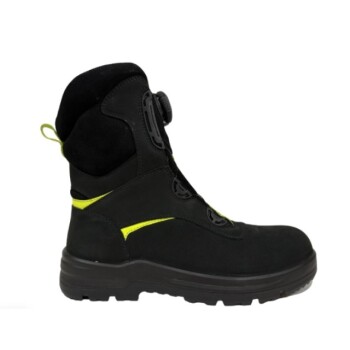
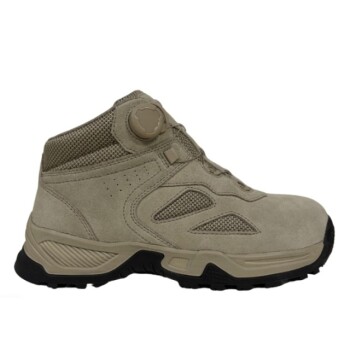
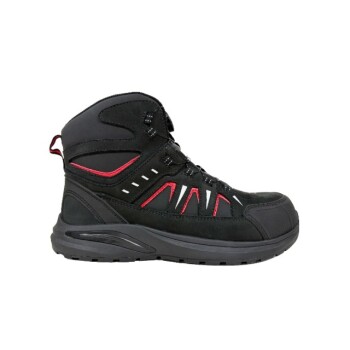
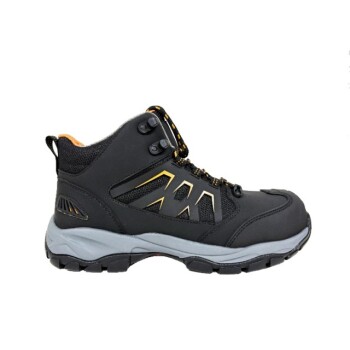
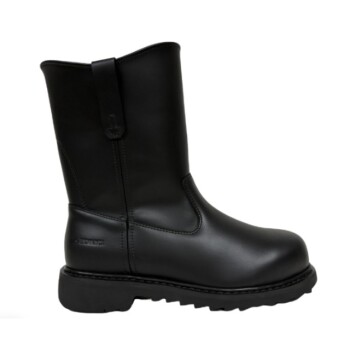
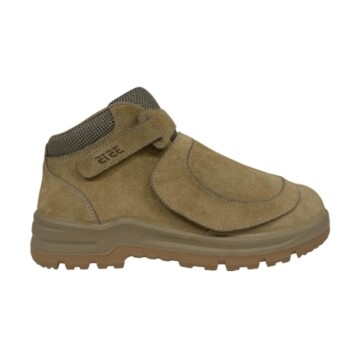
High-cut designs and ankle protection systems serve two critical functions: stabilizing the joint against uneven ground and shielding the foot from physical hazards. By locking the ankle in place, these components prevent common injuries like sprains during movement across difficult terrain, while simultaneously creating a barrier against impacts and liquid exposure.
In complex industrial environments, stability is just as vital as shielding. High-cut designs provide the mechanical support necessary to prevent joint rollovers on uneven surfaces, while reinforced uppers offer a defense line against crushing impacts and hazardous spills.
Stabilizing the Joint in Unpredictable Environments
Preventing Rollovers and Sprains
Complex terrain forces the foot into awkward angles, increasing the risk of injury. High-cut designs provide physical support that restricts excessive lateral movement. This mechanical limitation keeps the ankle aligned, significantly reducing the likelihood of sprains or rolling the ankle on debris.
Support During Heavy Lifting
When a worker lifts heavy loads, the stress placed on the lower joints increases exponentially. The structure of a high-cut boot acts as a stabilizer. This ensures the ankle remains upright and supported, preventing collapse or strain under the added weight.
The Barrier Against External Hazards
Deflecting Physical Impacts
Industrial sites often present hazards at ground level, from falling objects to swinging machinery. The reinforced shoe upper characteristic of high-cut designs acts as a shield. It absorbs and deflects external impacts, preventing direct trauma to the vulnerable ankle bone.
Protection from Liquid Splashes
Low-cut footwear leaves the ankle exposed to spills, which can be dangerous if the liquids are hot, corrosive, or toxic. High-cut designs extend the protective material up the leg. This eliminates the gap between the pant leg and the shoe, ensuring liquids roll off rather than entering the footwear.
Understanding the Trade-offs
Mobility vs. Stability
While high-cut boots offer superior protection, they inherently restrict the ankle's range of motion. This is a necessary compromise to prevent hyper-extension, but it may feel less agile than low-cut alternatives during tasks requiring high flexibility.
Weight Considerations
The additional material required for high-cut uppers and reinforcements adds mass to the boot. Workers accustomed to lightweight athletic-style safety shoes may notice increased fatigue over long shifts until they acclimate to the heavier gear.
Making the Right Choice for Your Terrain
Selecting the right footwear depends on balancing the specific hazards of your worksite with the need for movement.
- If your primary focus is traversing uneven ground: Prioritize high-cut boots with rigid ankle support to mechanically prevent rollovers and sprains.
- If your primary focus is exposure to fluids or debris: Ensure the boot features a seamless, reinforced upper to act as an impermeable shield against splashes.
Ultimately, investing in high-cut ankle protection is an investment in minimizing downtime and preserving long-term joint health in hazardous environments.
Summary Table:
| Feature | Primary Benefit | Industrial Application |
|---|---|---|
| High-Cut Upper | Mechanical joint stabilization | Uneven terrain & heavy lifting |
| Ankle Reinforcement | Impact & crush deflection | Construction & debris-heavy sites |
| Extended Coverage | Liquid & chemical splash barrier | Chemical processing & metal works |
| Rigid Structure | Prevents lateral rollovers | Navigation of complex obstacles |
Secure Your Workforce with 3515’s Advanced Footwear Solutions
Protect your team and minimize workplace downtime with high-performance footwear engineered for the toughest environments. As a premier large-scale manufacturer serving global distributors and brand owners, 3515 delivers unparalleled production capabilities across all footwear categories.
Our flagship Safety Shoes series is specifically designed for complex industrial terrains, offering the perfect balance of ankle stability and impact resistance. Beyond safety gear, our extensive portfolio includes:
- Tactical & Work Boots for rugged durability.
- Outdoor & Training Shoes for versatility.
- Sneakers & Formal Shoes to meet diverse bulk procurement needs.
Partner with a manufacturer that understands the demands of your industry. Contact us today to discuss your bulk requirements and see how our comprehensive manufacturing expertise can add value to your brand.
References
- Shruti A. Dumbhare, Parag Sancheti. Prevalence of foot problems associated with wearing safety footwear in factory employees. DOI: 10.18203/2394-6040.ijcmph20222013
This article is also based on technical information from 3515 Knowledge Base .
Related Products
- Premium High-Cut Waterproof Safety Boots Manufacturing & Wholesale Solutions
- Premium Waterproof High-Cut Industrial Safety Boots for Wholesale and Bulk Orders
- Premium Wholesale Waterproof Safety Boots High Performance Protection for Industrial Markets
- High Performance Fire-Retardant Waterproof Safety Boots
- Heavy-Duty Waterproof Nubuck Safety Boots Safety Shoes for Bulk Supply
People Also Ask
- Which industries commonly use safety boots and why? Protect Your Workforce from Top Hazards
- What are the common hazards present in work environments that safety boots protect against? Find Your Perfect Match
- What future trends are emerging in safety boot technology? Discover Lighter, Smarter, and More Sustainable Footwear
- What are the slip resistance requirements for safety boots? Professional Grip Standards for Poultry Facility Cleaning
- Why is a high-precision 3D motion capture system necessary for measuring joint range of motion? Optimize Safety & Mobility