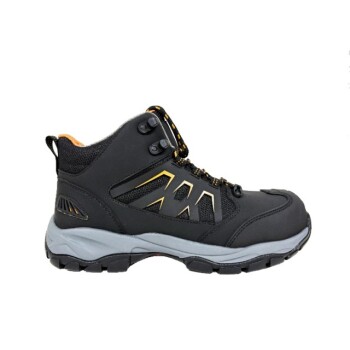
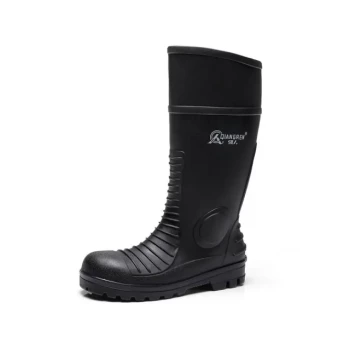
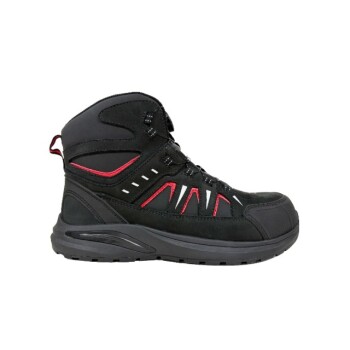
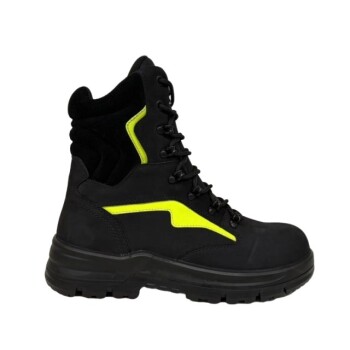
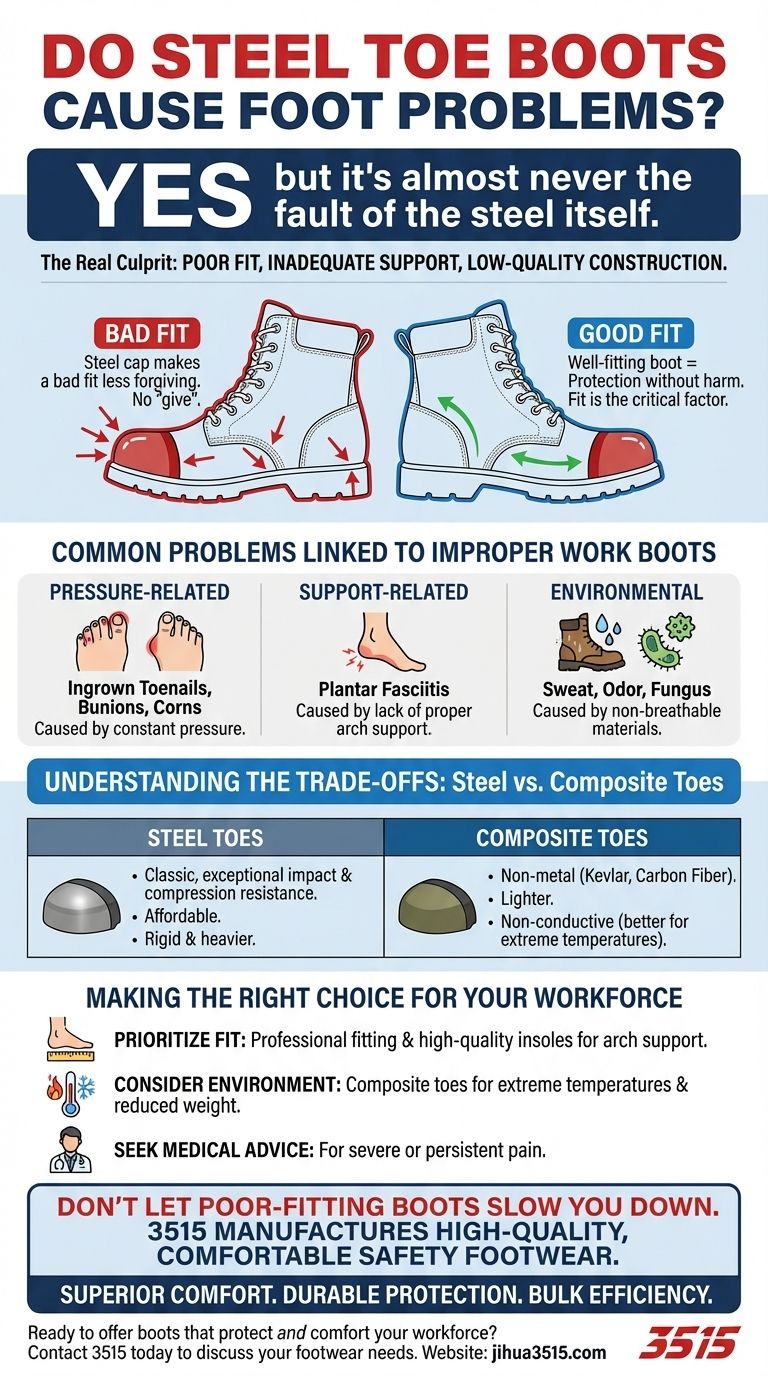
Yes, but it's almost never the fault of the steel itself. While steel toe boots are associated with foot problems, the true cause is almost always a poor fit, inadequate support, or low-quality construction—issues that can arise with any type of footwear. The steel cap simply makes a bad fit less forgiving.
The critical factor for foot health is not the protective material in your boot's toe box, but the overall fit and support of the boot. A poorly fitting boot of any kind will cause problems; a well-fitting steel toe boot will provide protection without causing harm.
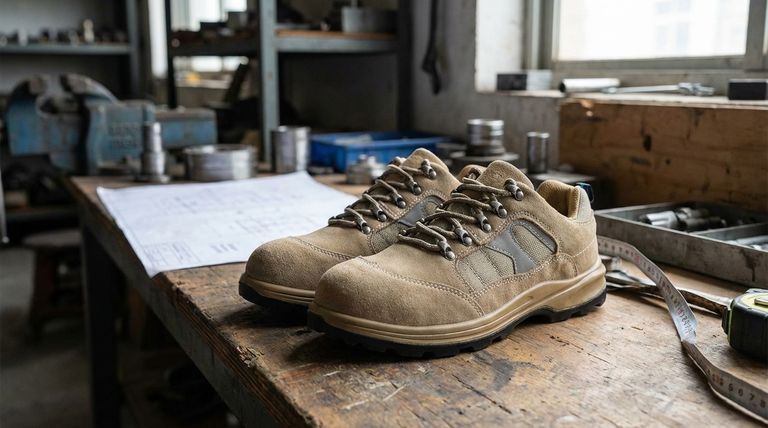
The Real Culprit: It's the Fit, Not the Material
Many workers blame the steel cap for their foot pain, but this is a common misunderstanding. The rigid nature of the cap simply exposes underlying issues with the boot's design and how it fits your specific foot shape.
How a Poor Fit Creates Problems
A boot that is too tight, too loose, or doesn't match the shape of your foot creates constant friction and pressure points.
This consistent, unnatural stress can lead to a range of painful conditions over time, from surface-level blisters to deeper structural issues.
Why the Steel Cap Gets Blamed
Because the steel cap is completely rigid, it provides no "give." If your foot slides forward or the toe box is too narrow, your toes will press directly against an unyielding surface.
In a soft-toe boot, the material might stretch slightly, masking a poor fit for a while. A steel toe boot reveals that bad fit immediately and unforgivingly.
Common Problems Linked to Improper Work Boots
When your boots don't provide the right fit or support, your feet will let you know. Ignoring these signs can lead to chronic conditions that impact your ability to work comfortably.
Pressure-Related Ailments
Constant pressure on your toes and joints is a primary source of pain. This can manifest as ingrown toenails, where the toe is jammed into the front of the boot, or painful growths like bunions and corns.
Support-Related Conditions
A lack of proper arch support forces the ligaments in your foot to over-stretcha leading cause of plantar fasciitis, which creates sharp, stabbing pain in the heel.
This is a problem with the boot's insole and overall construction, not the toe protection.
Environmental Issues
Boots made from non-breathable materials trap heat and moisture. This environment can lead to significant sweat and odor, and increases the risk of fungal infections.
Understanding the Trade-offs
While fit is the most important factor, the material of the safety toe does have different properties. Steel toe is a classic, proven technology, but it's not the only option available.
The Case for Steel Toes
Steel toe caps offer exceptional impact and compression resistance. This technology is well-understood, widely available, and often found in more affordable boot options.
Considering Composite Toes
Composite toes are made from non-metal materials like Kevlar, carbon fiber, or plastic. They are significantly lighter than steel and do not conduct heat or cold, making them more comfortable in extreme temperatures.
The Bottom Line on Materials
The choice between steel and composite often comes down to environment and personal preference. However, neither material will prevent foot problems if the boot itself is poorly constructed or improperly fitted.
Making the Right Choice for Your Feet
Your boots are a critical piece of equipment that you rely on for 8-12 hours a day. Investing in the right pair is an investment in your own well-being and productivity.
- If your primary focus is preventing pain: Prioritize getting professionally fitted and invest in high-quality insoles or orthotics for proper arch support.
- If you work in extreme hot or cold environments: Consider composite toe boots to avoid temperature conduction and reduce overall weight.
- If you experience severe or persistent pain, numbness, or swelling: Seek advice from a podiatrist or medical professional to address the issue before it worsens.
Ultimately, protecting your feet is about choosing a high-quality, perfectly fitted boot, regardless of the material in its toe.
Summary Table:
| Common Problem | Likely Cause | Key Takeaway |
|---|---|---|
| Ingrown Toenails, Bunions | Boot is too tight or wrong shape | The rigid steel cap exposes a poor fit. |
| Plantar Fasciitis | Lack of arch support | Blame the boot's construction, not the toe protection. |
| Sweat, Odor, Fungus | Non-breathable materials | A problem with the boot's overall quality and design. |
Don't Let Poor-Fitting Boots Slow You Down
As a large-scale manufacturer, 3515 produces a comprehensive range of high-quality, comfortable safety footwear for distributors, brand owners, and bulk clients. Our production capabilities encompass all types of perfectly fitted steel toe and composite toe boots designed to prevent the foot problems caused by inferior footwear.
We help you provide:
- Superior Comfort: Boots engineered with proper arch support and ergonomic fits to prevent pain.
- Durable Protection: Reliable steel and composite toe caps built into well-constructed boots.
- Bulk Efficiency: Streamlined sourcing of large quantities without compromising on quality or fit.
Ready to offer boots that protect and comfort your workforce?
Contact 3515 today to discuss your footwear needs and discover how our manufacturing expertise can be your competitive advantage.
Visual Guide
Related Products
- Durable Steel Toe Safety Boots Wholesale & Custom Manufacturing
- Wholesale Durable Breathable Safety Boots Custom OEM Manufacturer
- Wholesale Durable 6-Inch Work Boots | Custom & Private Label Manufacturer
- Puncture-Resistant Velcro Safety Boots for Wholesale & Custom Manufacturing
- Premium Sport Style Safety Boots for Bulk Orders
People Also Ask
- Why are industrial safety boots with steel toes necessary for machine operators? Essential Foot Protection for Safety
- Why is it mandatory to wear safety shoes with steel toe protection during metal loading? Prevent Crushing Injuries
- What are the main materials used in steel toe safety shoes? A Guide to Protective Footwear Construction
- What are the characteristics of steel toe safety boots? Maximum Protection, Key Trade-offs
- Is it true that steel toes can cause toes to get cut off? Debunking the Dangerous Myth