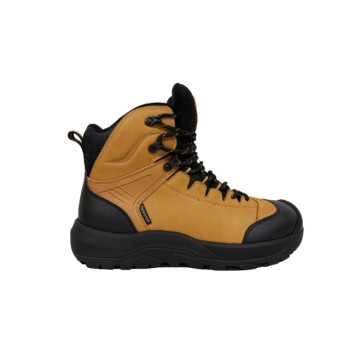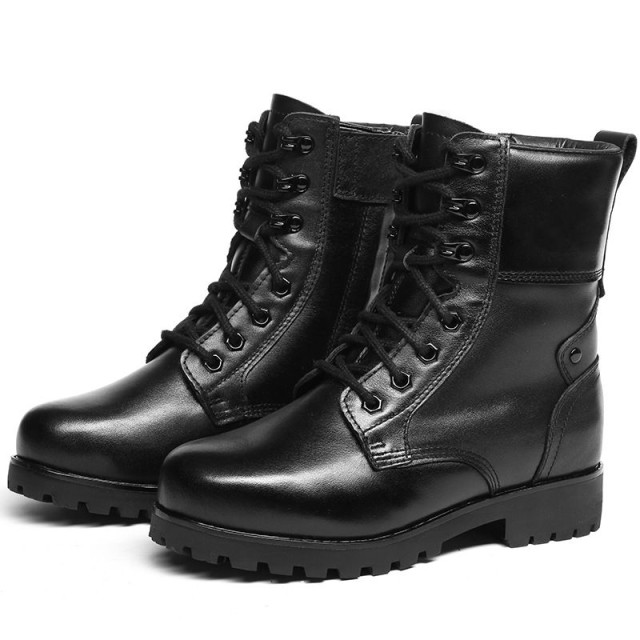
When facing sub-zero temperatures and treacherous snow terrains, ordinary footwear fails spectacularly. Effective snow boots combine advanced insulation, waterproof engineering, and terrain-specific traction systems—three pillars that determine whether you'll stay warm and upright or suffer frostbite and falls. This breakdown reveals how leading manufacturers engineer winter footwear that performs when conditions turn extreme.
Snow Boot Design Principles
Insulation Technologies for Sub-Zero Temperatures
The best snow boots don’t just trap heat—they regulate it. Research shows that effective insulation balances warmth retention with breathability to prevent sweat buildup (a major cause of heat loss). Here’s how modern designs achieve this:
- Removable Liners: Thick shearling or felt liners provide adjustable insulation, ideal for temperatures below -20°C. Some use phase-change materials that absorb excess heat when active and release it when stationary.
- Air Gap Engineering: Multi-layer constructions create dead air space between the foot and exterior, slowing heat transfer. Think of it like double-paned windows for your feet.
- Moisture-Wicking Barriers: Insulation paired with hydrophobic membranes (e.g., Gore-Tex) pulls sweat away from the skin while blocking external moisture.
Pro Tip: Over-insulating can backfire. For urban commutes with indoor transitions, look for boots with moderate insulation (200–400g Thinsulate™) to avoid overheating.
Moisture Resistance in Slush and Wet Snow
Wet feet lose heat 25x faster than dry ones—a critical flaw in poorly designed snow boots. Waterproofing isn’t just about materials; it’s about construction:
- Seam-Sealed Shells: Boots stitched with waterproof thread and tape-sealed seams prevent water ingress at stress points.
- Gusseted Tongues: Extensions that overlap the tongue and upper block snowmelt from seeping through laces.
- High-Cut Designs: Boot shafts extending above the ankle keep deep snow out, with some models reaching mid-calf for powder snow.
Case in Point: Brands like 3515 use hydrophobic leather treatments that repel water while maintaining flexibility, unlike cheaper PVC-coated materials that crack in cold.
Traction Engineering for Diverse Snow Terrains
Urban Ice vs. Alpine Snow: Tread Pattern Variations
Not all ice is created equal. Boots for city sidewalks prioritize micro-grip on black ice, while mountain boots need macro-lugs to claw through loose snow:
| Terrain Type | Tread Feature | Benefit |
|---|---|---|
| Urban Pavement | Small, dense lugs (2–4mm) | Maximizes surface contact for slick ice |
| Packed Trails | Medium-depth lugs (5–8mm) | Prevents sideways slippage on uneven terrain |
| Deep Snow | Aggressive, self-cleaning lugs (10mm+) | Sheds snow buildup to maintain grip |
Material Science in Outsoles
The rubber vs. polyurethane (PU) debate hinges on environment:
- Carbon Rubber: Traditional choice for alpine boots—exceptionally durable and flexible in extreme cold, but heavier.
- Thermoplastic Polyurethane (TPU): Lighter and more abrasion-resistant for urban use, though less flexible below -30°C.
- Hybrid Designs: Some 3515 models combine rubber lugs for grip with PU midsoles for shock absorption.
Did You Know? Wedge outsoles (flat-bottomed) outperform heeled designs on pavement by distributing weight evenly, reducing slip risks by up to 40%.
Case Studies in Functional Snow Boot Design
Brand Innovations in Extreme-Weather Footwear
Leading manufacturers solve winter challenges differently:
- Arctic Expedition Boots: Often feature removable dual liners (foam + felt) and vulcanized rubber shells to withstand -50°C.
- Urban Winter Boots: Focus on sleek profiles with hidden ice spikes or embedded grit particles for discreet traction.
- Tactical Designs: Used by military units, these prioritize 360° waterproofing and puncture-resistant plates without sacrificing mobility.
3515’s bulk production capabilities allow distributors to customize these features—whether it’s adjusting insulation thickness for Scandinavian clients or reinforcing outsoles for Rocky Mountain retailers.
Ready to Stock Winter-Ready Footwear?
3515 equips distributors and brands with technically advanced snow boots tailored to regional needs—from lightweight urban designs to expedition-grade mountaineering models. [Contact our team] to discuss volume pricing and OEM options for your winter inventory.
Final Thought: The quiet genius of snow boots lies in their layered defenses—materials and geometries that turn biting winds and icy slopes into manageable obstacles. Whether you’re sourcing for retailers or upgrading personal gear, prioritize boots that address your specific winter battlefield.
Related Products
- Premium Insulated Safety Boots and Shoes for Wholesale & Bulk Orders
- Durable Waterproof Rain Boots | Custom Manufacturer for Wholesale & Brands
- Factory Direct Wholesale Rain Boots Durable Waterproof & Fully Customizable
- Wholesale Waterproof Tactical Boots Custom Suede & High-Traction Soles
- Wholesale Lightweight Tactical Boots Custom Manufacturer for Desert & Combat Use
Related Articles
- More Than Warmth: The Dual-System Safety Engineering of Insulated Boots
- How to Choose Cold-Weather Safety Boots: Material Science Meets Sub-Zero Performance
- How to Choose Snow Boot Insulation for Any Weather and Activity
- How to Choose Snow Boot Insulation for Your Climate and Activities
- How to Choose Winter Boots That Actually Work for Your Climate and Lifestyle