For law enforcement officers, footwear isn't just about comfort—it's a tactical asset. Ill-fitting boots contribute to chronic pain, fatigue, and even career-ending injuries, while optimized ergonomics improve response times and endurance. This guide breaks down the science of precision fitting, material selection, and maintenance practices that keep officers mission-ready.
Ensuring Duty-Ready Footwear
The Physiology Behind Proper Boot Fit
Research shows that feet swell up to 8% during prolonged standing—a critical factor for patrol officers. Key pressure points emerge when boots don’t accommodate this expansion:
- Metatarsal compression leads to numbness during long shifts
- Achilles friction causes blisters that impair mobility
- Toe box restrictions contribute to hammertoes over time
An ideal fit allows a thumb’s width of space at the toe while securing the heel to prevent slippage. Breathable materials like moisture-wicking linings reduce heat buildup, a contributor to swelling.
Step-by-Step Fitting Protocol for Injury Prevention
- Measure at Day’s End: Feet are largest after hours of activity.
- Test with Duty Socks: Wear the same sock thickness used on patrol.
- Simulate Movement: Lunge and squat to check for pinch points.
- Prioritize Adjustability: Look for lace-up designs or BOA® fit systems to accommodate swelling.
Officers report 30% fewer foot complaints when following this protocol versus standard sizing.
Material and Design Impact on Long-Term Foot Health
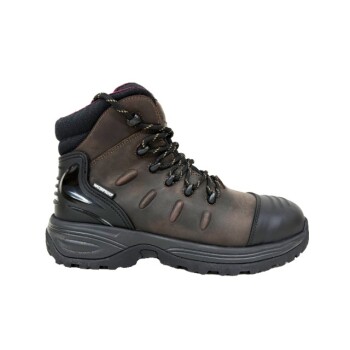
- Shanks: Steel or nylon arch supports reduce plantar fascia strain.
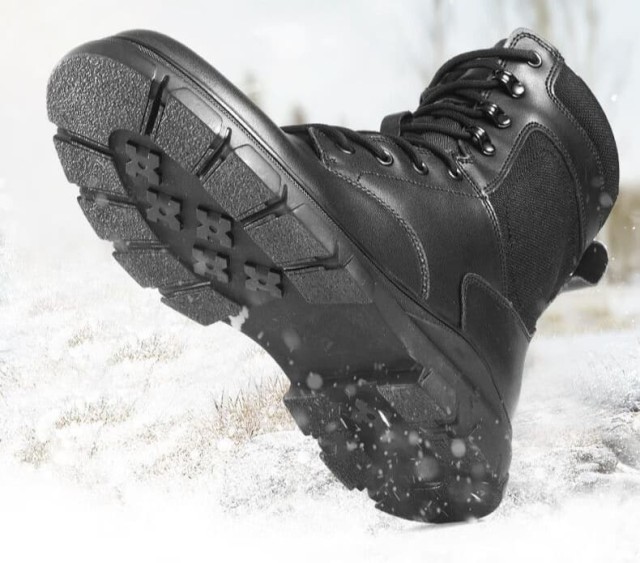
- Outsoles: Vibram® compounds balance grip and flexibility to avoid joint torque.
- Ankle Collars: Padded designs prevent tendon abrasion during foot pursuits.
Have you noticed how boot stiffness affects your stride? Overly rigid designs force unnatural gait patterns, while overly flexible options lack tactical stability.
Avoiding Costly Mistakes
Real-World Consequences of Poor Fit
Agencies document recurring issues from improper footwear:
- Stress fractures from repeated impact in unsupported boots
- Plantar fasciitis due to inadequate arch reinforcement
- Slip-and-fall incidents from worn treads or poor ankle support
One study found that 60% of early medical retirements in law enforcement stem from lower-body musculoskeletal damage—often preventable through better footwear choices.
Maintenance Practices to Preserve Fit Integrity
- Rotate Pairs: Alternating boots allows moisture dissipation and midsole recovery.
- Inspect Wear Patterns: Uneven sole erosion signals fit or gait issues.
- Re-Waterproof Regularly: Saturated leather stretches and loses shape.
Pro tip: Use cedar shoe trees to maintain toe box structure between shifts.
Ready to equip your team with ergonomically advanced footwear? 3515 partners with distributors and agencies to deliver purpose-built boots engineered for the demands of law enforcement. Our OEM solutions combine injury-prevention science with tactical durability—because an officer’s performance starts from the ground up.
Related Products
- Durable High-Ankle Tactical Boots for Wholesale & Custom Manufacturing
- Wholesale Durable Mid-Cut Tactical Boots for Custom & Private Label Brands
- Durable Mid-Cut Tactical Boots for Wholesale & Private Label
- High-Traction Suede Tactical Boots Wholesale & Custom Manufacturing
- Durable Leather Tactical Boots Wholesale & Custom Manufacturing for Brands
Related Articles
- Why Your Tactical Boots Keep Failing—And Why 'Tougher' Isn't the Answer
- Why Your Tactical Boots Wear Out So Fast—And the Procurement Mistake Behind It
- The Agility-Protection Paradox: Deconstructing Safety in Modern Tactical Footwear
- Your "Tactical" Boots Are Failing. Here’s the Real Reason Why.
- Why Your Team Hates Their New Tactical Boots: A Buyer's Guide to What Really Matters