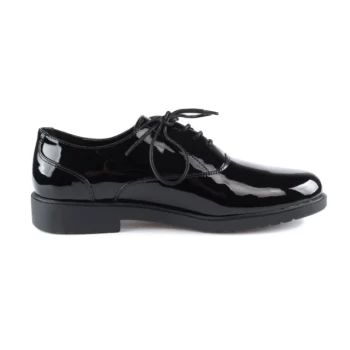
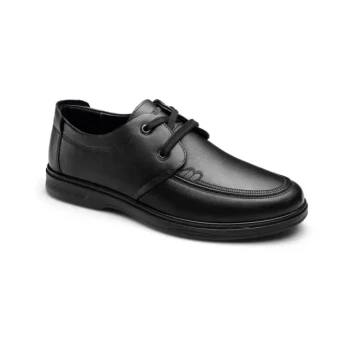
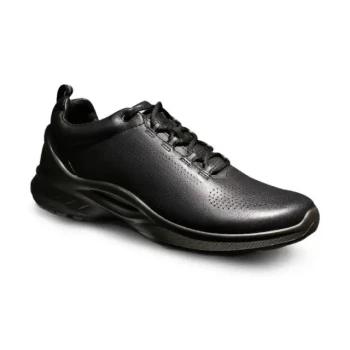
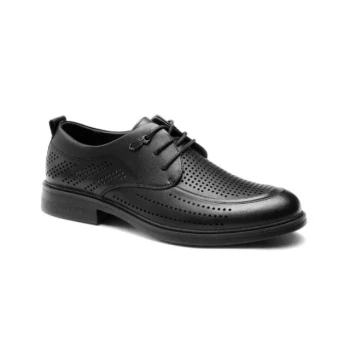
Protecting the structural integrity of the foot is the primary goal. Patients in the remission phase of Charcot foot must utilize custom orthopedic shoes and specialized insoles to physically accommodate permanent foot deformities and mechanically redistribute plantar pressure. This specialized footwear is critical for preventing the formation of new pressure points, thereby significantly reducing the risk of ulcer recurrence while stabilizing the patient's gait.
The transition to remission does not mean the foot has returned to normal. Specialized footwear acts as a necessary protective shield, redistributing weight away from vulnerable bony prominences to prevent ulcer recurrence and sustain long-term mobility.
The Mechanics of Protection
Accommodating Residual Deformities
The active phase of Charcot foot often results in permanent changes to the skeletal architecture. Once the bones harden in the remission phase, the foot rarely retains its original shape.
Standard, off-the-shelf footwear is designed for a "normal" anatomical foot and cannot adapt to these irregularities. Custom orthopedic shoes are manufactured to contour specifically to the patient's unique foot geometry, ensuring that deformed areas are not subjected to friction or constriction.
Redistributing Plantar Pressure
The most significant risk during remission is the concentration of weight on specific areas of the foot. Without intervention, these high-pressure zones become hotbeds for new ulcers.
Specialized insoles function by maximizing the contact area between the foot and the ground. This "off-loading" technique spreads the patient's body weight across the entire sole, drastically lowering the pressure applied to any single point.
Preventing Recurrence and Ensuring Stability
The Role of Rigid Outsoles
Primary references emphasize the necessity of shoes with rigid outsoles. A stiff sole limits the flexion of the foot joints during the push-off phase of walking.
By restricting this motion, the shoe acts as an external splint. It reduces mechanical stress on the healing bones and soft tissues, providing a stable platform that compensates for internal structural weakness.
Breaking the Ulcer Cycle
The skin of a Charcot foot patient remains fragile, even after the active inflammation subsides. The primary driver of complications is repetitive stress on vulnerable skin.
Professional footwear solutions are not merely for comfort; they are preventative medical devices. By preventing the development of new pressure points, they disrupt the cycle of tissue breakdown that leads to ulcers and potential infection.
Understanding the Trade-offs
Function Over Aesthetics
It is important to acknowledge that orthopedic footwear is often bulkier and heavier than standard shoes. This is a necessary trade-off to accommodate the volume of custom insoles and the width of the deformed foot. Prioritizing aesthetics or using "normal" shoes can lead to rapid relapse.
The Requirement of Constant Compliance
The protective benefits of this footwear exist only while they are being worn. Because the underlying deformities are permanent, the risk returns the moment the patient steps into non-specialized footwear or walks barefoot. Consistency is as vital as the hardware itself.
Making the Right Choice for Your Health
Selecting the correct footwear is a clinical decision based on the severity of the deformity and activity levels.
- If your primary focus is Ulcer Prevention: Prioritize custom-molded insoles that aggressively off-load pressure from bony prominences.
- If your primary focus is Gait Stability: Ensure the footwear features a rigid outsole and high-top construction to support the ankle and limit joint stress.
Ultimately, custom footwear is not just an accessory, but a critical, non-negotiable component of the treatment plan to preserve the limb.
Summary Table:
| Feature | Function in Charcot Foot Remission | Primary Benefit |
|---|---|---|
| Custom Foot Geometry | Accommodates permanent skeletal deformities | Prevents friction and constriction on bony prominences |
| Specialized Insoles | Maximizes contact area for weight distribution | Off-loads high-pressure zones to prevent ulcer recurrence |
| Rigid Outsoles | Limits joint flexion during push-off | Acts as an external splint to reduce mechanical stress |
| High-top Construction | Provides additional ankle support | Enhances gait stability and prevents internal structural shifts |
Secure Long-Term Mobility with Professional-Grade Orthopedic Solutions
Preserving structural integrity and preventing recurrence requires footwear engineered with precision. As a large-scale manufacturer serving distributors and brand owners, 3515 offers comprehensive production capabilities for all footwear types, anchored by our flagship Safety Shoes series. Our extensive portfolio covers specialized orthopedic-ready designs, work and tactical boots, outdoor shoes, training shoes, and sneakers, as well as Dress & Formal shoes to meet diverse bulk requirements.
Partner with 3515 to provide your customers with the stability and protection they need. Contact us today to discuss how our manufacturing expertise can support your medical and safety footwear lines.
References
- Cristina Bittante, Marco Meloni. Early Treatment of Acute Stage 0/1 Diabetic Charcot Foot Can Avoid Major Amputations at One Year. DOI: 10.3390/jcm13061633
This article is also based on technical information from 3515 Knowledge Base .
Related Products
- Custom OEM Training Shoes Wholesale Manufacturer Durable & Breathable
- Wholesale Breathable & Cushioned Training Shoes Custom Factory Production
- Wholesale Training Shoes with Dial Lacing System Custom OEM Manufacturing
- Wholesale Durable & Breathable Training Shoes for Custom Brands
- Wholesale Breathable Training Shoes Custom Athletic Footwear Manufacturer
People Also Ask
- Why is specialized athletic footwear necessary for ankle rehab? Unlock Safety and Stability in Recovery
- Why is sole stiffness testing using a force gauge necessary? Build Superior Training Shoes with Precision
- Why is it necessary for participants to wear professional training shoes? Ensuring Data Accuracy & Patient Safety
- Why is the integration of advanced cushioning in training shoes necessary for athletes? Boost Recovery and Performance
- Why is the use of flat-soled or professional training shoes essential for WBV? Maximize Vibration Energy Transfer