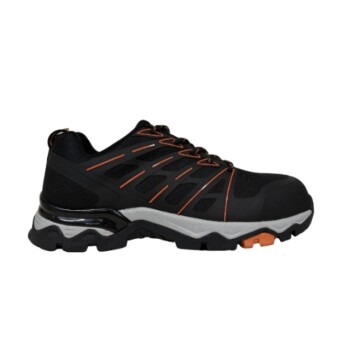
The critical distinction lies in the mathematical logic of sizing intervals. You must account for differences between Russian GOST 11373 and European standards because they do not utilize the same measurement steps. The GOST standard uses a sizing interval of approximately 7.5mm, while the European standard uses a tighter interval of approximately 6.67mm. Failing to calculate for this difference results in significant sizing mismatches that undermine safety protocols.
Core Takeaway Ignoring the specification discrepancies between GOST 11373 and European standards leads to a fundamental mismatch between footwear size and actual foot length. This error compromises protective efficacy for the worker and causes financial loss through resource wastage.
The Mathematics of Misalignment
The primary reason these standards cannot be treated interchangeably is the divergence in their foundational sizing logic.
The GOST 11373 Interval
This Russian standard defines the step between sizes with a specific metric value. The interval between consecutive sizes is approximately 7.5mm.
The European Standard Interval
European safety footwear operates on a different, slightly tighter scale. The interval between sizes in this system is approximately 6.67mm.
The Cumulative Gap
While a difference of less than one millimeter seems negligible in isolation, it creates a "drift" across the full range of sizes. A specific size number in one system does not correlate to the exact same internal length in the other.
Operational Consequences of Sizing Errors
Selecting specialty protective shoes is not merely about aesthetics; it is a safety-critical decision.
Compromised Protective Efficacy
Safety shoes often contain rigid elements like toe caps and metatarsal guards. If the sizing logic is misunderstood, the foot will not align correctly with these protective features.
Ill-fitting shoes can cause blisters, reduced stability, or exposure to hazards the shoe was meant to prevent.
Resource Wastage
Procurement errors are the direct result of ignoring these standard differences. Buying a fleet of shoes based on a direct 1:1 conversion often leads to unwearable inventory.
This forces the organization to discard the ill-fitting stock and repurchase correct sizes, effectively doubling the cost of equipping the workforce.
Common Pitfalls in Procurement
When sourcing equipment across international borders, simple assumptions often lead to complex problems.
The "Universal Size" Fallacy
A common mistake is assuming that a "Size 42" represents a universal physical dimension. Because the intervals (7.5mm vs. 6.67mm) are different, the actual length of the shoe varies depending on the standard used.
Overlooking the Origin Standard
Procurement teams often look at the safety rating (e.g., impact resistance) but overlook the sizing standard. Even if a shoe is rated for the correct hazard, it is useless if the sizing standard does not match the worker's foot measurement logic.
Making the Right Choice for Your Team
To prevent safety lapses and budget overruns, you must look beyond the nominal size number.
- If your primary focus is procurement efficiency: Audit your supply chain to identify which standard (GOST or European) your supplier utilizes to prevent stocking unusable inventory.
- If your primary focus is worker safety: disregard the size number on the box and match the actual foot length (in millimeters) to the specific manufacturer's size chart.
Precision in understanding these standards is the only way to guarantee that the shoe fits the foot, and the protection fits the hazard.
Summary Table:
| Feature | Russian GOST 11373 | European Standard |
|---|---|---|
| Sizing Interval | ~7.5 mm | ~6.67 mm |
| Sizing Logic | Metric-based steps | Paris Point system |
| Primary Risk | Protective element misalignment | Cumulative size drift |
| Impact | Reduced stability & blisters | Procurement resource wastage |
Optimize Your Global Footwear Procurement with 3515
Navigating international standards like GOST 11373 and European norms requires a manufacturing partner with technical precision. As a large-scale manufacturer serving global distributors and brand owners, 3515 offers comprehensive production capabilities across all footwear types.
Our flagship Safety Shoes series is engineered to meet rigorous international requirements, ensuring that your bulk orders maintain perfect alignment between size, comfort, and protection. From tactical and work boots to outdoor, training, and formal dress shoes, we provide the expertise needed to eliminate sizing mismatches and resource wastage.
Ready to secure high-quality, compliant footwear for your market?
Contact our expert team today to discuss your bulk requirements
References
- Владимир Сенченко, T. T. Kaverzneva. OPTIMIZATION OF THE PROCESS OF PROVIDING THE COMPANY WITH SPECIAL SHOES BASED ON DATA ON ITS ISSUANCE AND INDICATORS OF IMPRORER PLANNING. DOI: 10.14258/epb202326
This article is also based on technical information from 3515 Knowledge Base .
Related Products
- Premium Suede Sport Safety Shoes for Wholesale & Bulk Orders
- Premium Lightweight Safety Shoes for Wholesale & Bulk Orders
- Wholesale Anti-Smash & Puncture-Proof Safety Shoes Custom Manufacturing for Brands
- Premium KPU Injection Athletic Style Safety Shoes
- Premium Safety Shoes with Rotating Buckle Safety Sneakers
People Also Ask
- What industries have specific OSHA footwear requirements? Ensure Compliance & Protect Your Workforce
- What are the primary functions of professional safety shoes? Maximize Safety in Water Supply Confined Spaces
- What role do specialized safety shoes play in preventing falls? Engineering Stability in Industrial Environments
- What are the main components of safety shoes? A Guide to Protective Footwear Design
- Why is barefoot walking used as a baseline in gait safety research? Unlocking Natural Biomechanics for Shoe Design