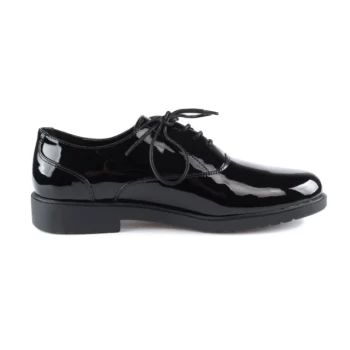
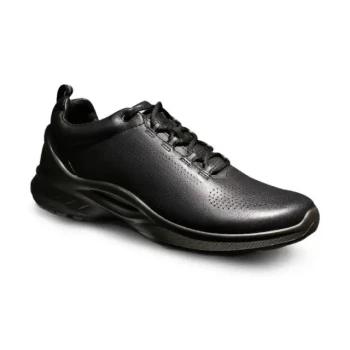
The use of standardized experimental shoes is a fundamental requirement for maintaining data integrity in biomechanical testing. In landing stiffness and impact studies, these shoes serve to eliminate external variables—specifically differences in cushioning, grip, and lateral support—that would otherwise distort kinetic data. Without this standardization, it is impossible to distinguish whether observed performance patterns are caused by the subject's physiology or the mechanical advantages of their specific footwear.
Footwear structure directly alters how Ground Reaction Forces (GRF) are transmitted and how energy is absorbed by the joints. Using uniform footwear is the only way to ensure biomechanical data reflects human physiological function rather than shoe performance.
The Impact of Footwear Variables on Data
To understand why standardization is non-negotiable, you must recognize how significantly a shoe functions as a mechanical filter between the athlete and the ground.
Eliminating Mechanical Bias
Every shoe model possesses unique mechanical properties. Variations in sole cushioning performance can dampen impact forces differently across subjects.
Similarly, differences in grip and lateral support can alter how a subject stabilizes during a landing.
By introducing a standardized shoe, researchers remove these inconsistencies. This ensures that the mechanical interface with the ground is identical for every participant.
Standardizing Force Transmission
The structure of a shoe dictates the transmission of Ground Reaction Forces (GRF).
If subjects wear their own shoes, the data will include noise caused by how different materials transmit shock.
Standardized shoes ensure that the transmission of these forces—and the subsequent joint energy absorption patterns—are comparable across the entire dataset.
Isolating the Human Element
The ultimate goal of landing stiffness testing is to analyze the human, not the equipment. Standardization is the tool used to isolate the biological signal from the mechanical noise.
Measuring True Neuromuscular Function
When mechanical variables are controlled, the remaining data reflects the neuromuscular characteristics of the individual.
This allows researchers to accurately assess lower limb spring stiffness based on the subject's muscle recruitment and joint stiffness strategies.
Controlling Sensory Inputs
Footwear does not just affect mechanics; it affects perception.
A shoe's structure influences sensory inputs (proprioception) that tell the brain how to adjust for landing.
Uniform footwear ensures that all subjects are reacting to similar sensory feedback, preventing behavioral changes driven by how a specific shoe "feels" on impact.
Understanding the Trade-offs
While standardized shoes are critical for accuracy, it is important to understand the specific scope of this requirement.
Biological Reality vs. Equipment Performance
The primary trade-off in this approach is the focus on physiological potential over system performance.
If you were to test how an athlete performs in a specific competition, you would let them wear their preferred gear.
However, in stiffness testing, the goal is to measure the intrinsic capability of the limb. Therefore, the "benefit" of high-performance footwear must be stripped away to see the raw biomechanical data.
Making the Right Choice for Your Goal
Whether you are designing a study or interpreting results, understanding the intent behind the protocol is essential.
- If your primary focus is determining physiological baseline: You must use standardized shoes to ensure that stiffness values reflect the subject's neuromuscular control, not their shoe's cushioning.
- If your primary focus is analyzing kinetic consistency: You must use standardized shoes to eliminate variables like grip and support that skew Ground Reaction Force (GRF) data.
Standardization converts the shoe from an uncontrolled variable into a constant, ensuring your data measures the athlete, not the gear.
Summary Table:
| Variable Controlled | Impact on Testing Accuracy | Benefit for Researchers |
|---|---|---|
| Sole Cushioning | Prevents dampening of kinetic data | Isolates raw Ground Reaction Forces (GRF) |
| Lateral Support | Standardizes stabilization strategies | Ensures uniform joint energy absorption |
| Grip & Friction | Minimizes behavioral adjustment | Controls sensory inputs and proprioception |
| Neuromuscular Function | Focuses on muscle recruitment | Measures intrinsic limb stiffness accurately |
Elevate Your Testing Standards with 3515 Footwear
Precise data starts with consistent footwear. As a large-scale manufacturer serving distributors and brand owners, 3515 offers comprehensive production capabilities for all footwear types, anchored by our flagship Safety Shoes series. Our extensive portfolio covers work and tactical boots, outdoor shoes, training shoes, and sneakers, as well as Dress & Formal shoes to meet diverse bulk requirements.
Whether you need standardized shoes for lab-grade research or high-performance footwear for global distribution, 3515 provides the manufacturing excellence and technical precision you require. Partner with a leader in bulk footwear production to ensure quality and consistency across your entire product line.
Contact Us Today to Discuss Your Bulk Requirements
References
- Lingyue Meng, Yuefeng Hao. Effects of visual deprivation on the injury of lower extremities among functional ankle instability patients during drop landing: A kinetics perspective. DOI: 10.3389/fphys.2022.1074554
This article is also based on technical information from 3515 Knowledge Base .
Related Products
- Custom OEM Training Shoes Wholesale Manufacturer Durable & Breathable
- Wholesale Durable Camouflage Canvas Shoes with High-Traction Cleated Rubber Sole
- Wholesale Breathable Training Shoes Custom Athletic Footwear Manufacturer
- Premium KPU Athletic Safety Shoes for Wholesale
- Lightweight Breathable Training Shoes for Wholesale & Custom OEM Manufacturing
People Also Ask
- Why is sole stiffness testing using a force gauge necessary? Build Superior Training Shoes with Precision
- Why is specialized athletic footwear necessary for ankle rehab? Unlock Safety and Stability in Recovery
- Why is the use of flat-soled or professional training shoes essential for WBV? Maximize Vibration Energy Transfer
- Why is it necessary for participants to wear professional training shoes? Ensuring Data Accuracy & Patient Safety
- Why is the integration of advanced cushioning in training shoes necessary for athletes? Boost Recovery and Performance