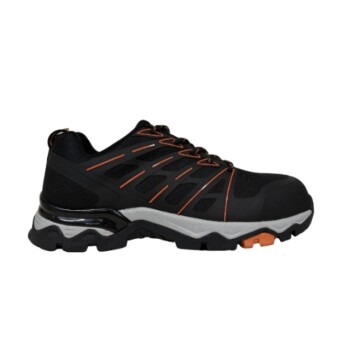
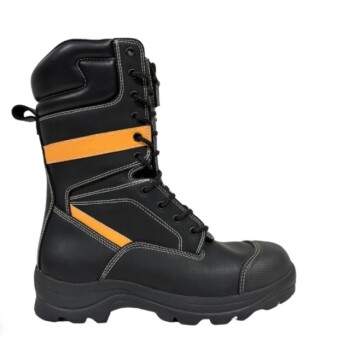
In high-risk excavation environments, Personal Protective Equipment (PPE) functions as the ultimate physical barrier between a worker and a potential hazard. It serves specifically as a "final line of defense," designed to absorb impact energy or drastically improve visibility to prevent unavoidable human errors from escalating into fatal accidents.
The primary value of PPE in excavation is not to prevent accidents from occurring, but to mitigate the severity of the outcome. It acts as a critical fail-safe that shields the worker when procedural errors or environmental hazards bypass all other safety measures.
The Strategic Role of PPE
The Final Line of Defense
Excavation processes often involve a high probability of human error due to the complexity of the work. When these errors occur, PPE serves as the last physical checkpoint. It is the barrier that stands between a worker and a severe injury when administrative or engineering controls fail.
Energy Absorption
One of the core mechanical functions of excavation PPE is the absorption of kinetic energy. Items like safety helmets and safety shoes are engineered to take the brunt of a blow. They dissipate the force of falling objects or crushing weights, preventing that energy from directly damaging the body.
Enhancing Worker Presence
In chaotic excavation sites involving heavy machinery, visibility is a primary safety factor. High-visibility clothing ensures that workers are immediately detectable by equipment operators. This visual contrast is essential for preventing run-over accidents or collisions caused by blind spots.
Specific Protective Mechanisms
Head and Foot Protection
Safety helmets and steel-toe shoes are non-negotiable in these settings. While helmets protect the head from falling debris, safety shoes—often reinforced with steel or composite caps—resist significant impact and compression risks.
Navigating Hazardous Terrain
Excavation sites frequently feature debris-covered ground and complex, uneven surfaces. Specialized footwear provides anti-slip and puncture-resistant features. This allows personnel to move securely across unstable ground without sustaining foot fractures or puncture wounds.
Understanding the Trade-offs
Mitigation vs. Prevention
It is vital to understand that PPE does not remove the hazard itself. Wearing a helmet does not stop a rock from falling; it only limits the damage if it hits you. Relying solely on PPE without addressing the root cause of hazards can lead to a false sense of security.
The Dependency on Compliance
The effectiveness of this equipment is entirely dependent on correct usage. Unlike an engineering control (such as a guardrail), PPE requires active, consistent participation from the worker. If the gear is ill-fitting, damaged, or removed for comfort, the protection factor drops to zero.
Making Safety Effective on the Ground
To ensure PPE effectively protects your team during excavation, align your gear selection with specific site risks:
- If your primary focus is Impact Protection: Prioritize helmets and footwear with certified energy absorption ratings to handle falling debris and compression risks.
- If your primary focus is Site Visibility: Mandate high-visibility clothing to ensure workers are distinct from the surrounding soil and machinery.
- If your primary focus is Terrain Stability: Select footwear with puncture-resistant soles and aggressive tread patterns to navigate debris-heavy ground safely.
PPE transforms a potentially fatal human error into a survivable incident.
Summary Table:
| PPE Category | Primary Safety Function | Impact on Excavation Risk |
|---|---|---|
| Head Protection | Energy Absorption | Minimizes trauma from falling debris and overhead impacts. |
| Safety Footwear | Compression & Puncture Resistance | Protects against crushing weights and sharp terrain hazards. |
| High-Visibility Gear | Enhanced Presence | Prevents collisions between workers and heavy machinery operators. |
| Anti-Slip Soles | Terrain Stability | Ensures secure movement on uneven or debris-covered excavation sites. |
Secure Your Workforce with 3515 High-Performance Safety Solutions
In high-risk excavation and industrial environments, the right gear is the difference between a minor incident and a fatal accident. As a premier large-scale manufacturer serving global distributors and brand owners, 3515 provides the ultimate final line of defense with our flagship Safety Shoes series.
Our comprehensive production capabilities allow us to deliver bulk orders of certified tactical boots, puncture-resistant work shoes, and high-traction sneakers tailored for your specific industry needs. Partner with us to provide your customers with professional-grade footwear that combines energy absorption with long-term durability.
Ready to elevate your safety inventory? Contact us today to discuss your bulk manufacturing requirements.
References
- S. Ajith, Mariusz Szóstak. A Framework for Systematic Assessment of Human Error in Construction Sites – A Sustainable Approach. DOI: 10.13189/cea.2022.100503
This article is also based on technical information from 3515 Knowledge Base .
Related Products
- Heavy-Duty Waterproof Nubuck Safety Boots Safety Shoes for Bulk Supply
- Advanced KPU Athletic Safety Shoe with Steel Toe Cap Anti-Slip Rotary Lacing System
- Premium Safety Shoes with Rotating Buckle Safety Sneakers
- Premium KPU Athletic Safety Shoes for Wholesale
- Premium KPU Injection Athletic Style Safety Shoes
People Also Ask
- What primary protective functions do professional safety boots provide in urban solid waste recovery and waste picking processes? Discover Dual-Layer Protection.
- How do safety boots reduce cutting hazards? Essential Protection for Your Workforce
- Which organizations develop safety standards for work boots? Ensure Compliance & Worker Safety
- What are the common types of safety boots and their primary uses? A Guide to Industrial Footwear
- Why is ankle and arch support important in safety footwear? Prevent Injury & Fatigue