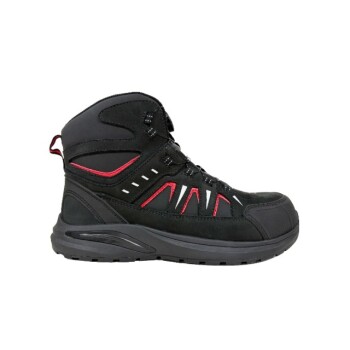
The primary function of an industrial-grade toe cap is to serve as a rigorous physical barrier against crushing forces and sudden trauma. These components are specifically engineered to withstand impact from falling objects and high-intensity compression, preventing catastrophic structural damage to the toes of operators in heavy machinery environments.
In the context of heavy industry, the toe cap acts as the final line of defense, converting potentially limb-threatening energy into manageable force to ensure personnel safety in high-risk zones.
The Mechanics of Protection
Impact Resistance
The most immediate threat in an industrial environment is a falling object. Toe caps are designed to absorb kinetic energy, stopping heavy tools or materials from crushing the foot upon contact. This function is critical in preventing compound fractures and soft tissue damage during accidental drops.
Compression Resilience
Beyond sudden impact, toe caps provide vital protection against static crushing forces. This occurs when heavy machinery or vehicles roll over the foot. The cap maintains a protective shell, ensuring the toes are not compressed even under significant weight.
Structural Integrity
The toe cap is not merely a shield; it ensures the footwear maintains its shape under duress. By preventing the front of the boot from collapsing, it allows the operator to extract their foot safely after an incident.
Defining the Safety Standard
The 200 Joule Benchmark
To be classified as true "safety footwear" suitable for heavy industry, the toe cap must meet a rigorous standard. It must withstand at least 200 Joules of energy during a drop test. This distinguishes industrial-grade gear from lower-tier "protective" footwear, which is only rated for 100 Joules.
Static Pressure Requirements
In addition to impact, the component must endure substantial squeezing pressure. The standard requirement for safety footwear is resistance to 15 kiloNewtons (kN) of static pressure. This ensures the cap does not buckle under the slow, heavy crush of industrial equipment.
Common Misconceptions and Trade-offs
Material Does Not Dictate Safety Level
A common misconception is that steel provides superior protection to composite or aluminum caps. This is incorrect. Whether made from steel, aluminum, or heavy-duty plastic, every certified toe cap must meet the exact same 200 J and 15 kN minimum requirements.
Balancing Weight and Function
While protection levels are standardized, the trade-off lies in weight and bulk. Steel is thinner but heavier, while plastic (composite) is lighter but often bulkier to achieve the same strength.
The Limits of Protection
It is vital to understand that toe caps protect only the toe box area. They do not offer metatarsal protection (protection for the upper foot bones) unless the footwear is specifically equipped with additional guards.
Making the Right Choice for Your Goal
When selecting safety footwear for heavy industrial environments, rely on the specific ratings rather than material assumptions.
- If your primary focus is High-Risk Compliance: Ensure the footwear is explicitly labeled as "Safety Footwear" with a rating of 200 J impact and 15 kN compression, rather than "Protective Footwear."
- If your primary focus is Operator Comfort: feel free to select aluminum or plastic toe caps to reduce fatigue, as they offer the same impact protection as steel.
Select the gear that meets the 200 Joule threshold to ensure your team is protected against the reality of industrial hazards.
Summary Table:
| Feature | Industrial Safety Footwear (Standard) | Protective Footwear (Light Duty) |
|---|---|---|
| Impact Resistance | 200 Joules | 100 Joules |
| Compression Resistance | 15 kiloNewtons (kN) | Not always specified |
| Primary Function | High-intensity crush & trauma barrier | Low-impact bump protection |
| Material Options | Steel, Aluminum, Composite | Plastic, Light Alloys |
| Common Use Case | Heavy Machinery, Construction | Warehousing, Light Assembly |
Partner with 3515 for Certified Industrial Protection
As a large-scale manufacturer serving distributors and brand owners, 3515 offers comprehensive production capabilities for all footwear types, anchored by our flagship Safety Shoes series. Our industrial-grade toe caps are engineered to meet the highest global standards, ensuring your clients receive the ultimate defense against impact and compression.
Whether you need heavy-duty work and tactical boots, outdoor shoes, training shoes, or professional Dress & Formal shoes, 3515 provides the scale and quality to meet your bulk requirements. Contact us today to discuss your wholesale needs and discover how our manufacturing expertise can strengthen your product portfolio.
References
- Shruti A. Dumbhare, Parag Sancheti. Prevalence of foot problems associated with wearing safety footwear in factory employees. DOI: 10.18203/2394-6040.ijcmph20222013
This article is also based on technical information from 3515 Knowledge Base .
Related Products
- Puncture-Resistant Velcro Safety Boots for Wholesale & Custom Manufacturing
- Advanced KPU Athletic Safety Shoe with Steel Toe Cap Anti-Slip Rotary Lacing System
- Wholesale Leather Safety Boots with Customizable Protective Toe
- Wholesale Mesh Steel Toe Safety Shoes with Dial Closure Factory Production
- Customizable Anti-Smash Safety Boots for Wholesale & Private Label Manufacturing
People Also Ask
- Why are industrial safety boots with steel toes necessary for machine operators? Essential Foot Protection for Safety
- What are the characteristics of steel toe safety boots? Maximum Protection, Key Trade-offs
- Is it true that steel toes can cause toes to get cut off? Debunking the Dangerous Myth
- What are the primary safety functions of safety boots with steel-toe designs? Essential Protection for Industry
- What are the different types of safety toe boots available? Choose the Right Protection for Your Job