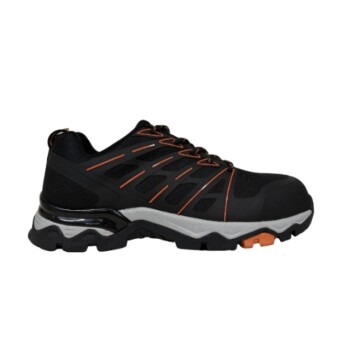
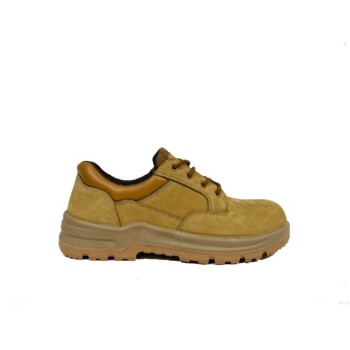
The provision of professional Safety Shoes is a critical requirement for mitigating severe physical risks in industrial environments. These specialized garments serve as the primary line of defense against crushing injuries from heavy objects, punctures from sharp debris, and hazardous slips, directly addressing the fact that the absence of appropriate PPE is a leading cause of occupational harm.
Standardized foot protection acts as a fundamental stabilizer for workforce safety in complex operational environments. By integrating specific protective functions, professional footwear significantly reduces injury frequency, lowering both immediate physical risks and long-term operational liabilities.
The Mechanics of Injury Prevention
Defense Against Impact and Compression
In sectors like construction and mining, the risk of heavy objects falling or equipment shifting is constant. Reinforced protective toe caps, often composed of steel or composite materials, provide a rigid shield.
This structural integrity is essential to prevent catastrophic foot crush injuries caused by mechanical winches, hammer crushers, or falling building materials.
Barriers Against Penetration
Construction and manufacturing floors are frequently littered with sharp debris, nails, and scrap metal. Professional safety shoes integrate puncture-resistant midsoles to neutralize this threat.
This layer creates an impenetrable barrier between the ground and the foot, preventing sharp items from piercing the sole and causing debilitating wounds.
Stability on Hazardous Terrain
Slips and falls are a major source of industrial accidents. Professional footwear utilizes slip-resistant outsoles, often made of specialized rubber, to provide superior traction.
This grip is fundamental for ensuring stability on wet, uneven, or rugged surfaces, allowing workers to move efficiently without the constant threat of losing their footing.
Beyond Basic Safety: Operational Impacts
Reducing Liability and Delays
Workplace accidents trigger a chain reaction of negative outcomes, including project delays and legal liabilities. By mandating professional-grade shoes, organizations actively minimize these risks.
Statistical data suggests that utilizing protective footwear meeting safety standards can reduce foot-related injury accidents by approximately 67%, protecting both the worker's health and the project's timeline.
Enhancing Precision and Reducing Fatigue
Safety is not just about armor; it is about endurance. High-quality safety shoes offer ergonomic comfort and stable support, which are crucial during long shifts.
Reducing physical fatigue allows workers to maintain higher levels of precision and operational performance, preventing errors that could lead to accidents in semi-mechanized or high-stress environments.
Understanding the Trade-offs
Weight vs. Agility
While high-strength protection is vital, it often adds weight to the footwear. Heavy steel-toe boots provide maximum crush protection but may increase fatigue over time compared to lighter composite alternatives.
Specificity of Protection
Not all safety shoes cover all hazards equally. A shoe optimized for puncture resistance may not necessarily have the highest rating for electrical hazard protection or chemical resistance.
It is a common pitfall to assume "safety shoe" implies universal protection; the specifications must align precisely with the unique hazards of the specific industrial site.
Making the Right Choice for Your Goal
Selecting the correct safety footwear requires matching the specific protective function to the dominant environmental risk.
- If your primary focus is heavy construction or mining: Prioritize boots with reinforced steel or composite toe caps to withstand significant mechanical impact and compression.
- If your primary focus is complex, uneven terrain: Ensure the footwear features high-traction, slip-resistant rubber outsoles to prevent falls on wet or rugged ground.
- If your primary focus is workforce efficiency and precision: Select ergonomic designs that balance protection with comfort to minimize fatigue during extended operational shifts.
investing in professional safety footwear is not merely a compliance measure; it is a foundational infrastructure decision that safeguards human assets and ensures operational continuity.
Summary Table:
| Feature | Protection Mechanism | Primary Industrial Benefit |
|---|---|---|
| Reinforced Toe Caps | Steel or Composite shields | Prevents catastrophic crushing and impact injuries |
| Puncture-Resistant Midsole | Impenetrable internal layer | Blocks nails and sharp scrap from piercing the foot |
| Slip-Resistant Outsoles | High-traction rubber tread | Ensures stability on wet, oily, or uneven terrain |
| Ergonomic Support | Anatomical cushioning | Reduces worker fatigue and maintains operational precision |
Secure Your Global Footwear Supply Chain with 3515
As a large-scale manufacturer serving distributors and brand owners worldwide, 3515 offers the comprehensive production capabilities you need to safeguard workers in the most demanding environments. Our flagship Safety Shoes series provides certified protection against impact, penetration, and slips, ensuring your clients meet strict safety compliance standards while reducing workplace injuries by up to 67%.
Beyond safety footwear, our extensive portfolio includes work and tactical boots, outdoor shoes, training shoes, sneakers, and Dress & Formal shoes designed for diverse bulk requirements. Partner with a manufacturer that prioritizes durability, ergonomics, and operational continuity.
Ready to elevate your inventory with professional-grade footwear?
Contact Us Today to Discuss Your Bulk Requirements
References
- Carmen Rojas. Impact of personal protective equipment in preventing occupational injuries: a systematic review and meta-analysis. DOI: 10.3389/fpubh.2025.1720363
This article is also based on technical information from 3515 Knowledge Base .
Related Products
- Premium Suede Sport Safety Shoes for Wholesale & Bulk Orders
- Premium Lightweight Safety Shoes for Wholesale & Bulk Orders
- Wholesale Anti-Smash & Puncture-Proof Safety Shoes Custom Manufacturing for Brands
- Premium KPU Injection Athletic Style Safety Shoes
- Premium Safety Shoes with Rotating Buckle Safety Sneakers
People Also Ask
- What are the primary functions of professional safety shoes? Maximize Safety in Water Supply Confined Spaces
- What industries have specific OSHA footwear requirements? Ensure Compliance & Protect Your Workforce
- What role do specialized safety shoes play in preventing falls? Engineering Stability in Industrial Environments
- What happens during the cutting stage of safety shoes manufacturing? Precision, Process & Quality
- Why is barefoot walking used as a baseline in gait safety research? Unlocking Natural Biomechanics for Shoe Design