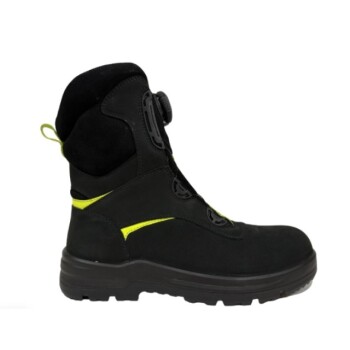
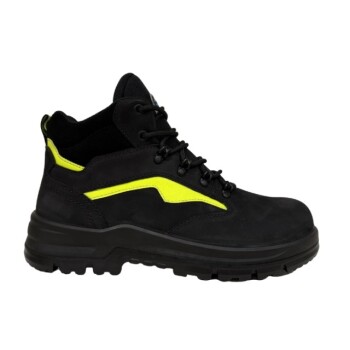
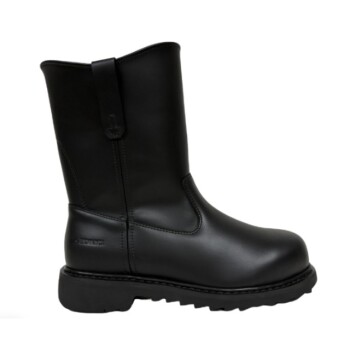
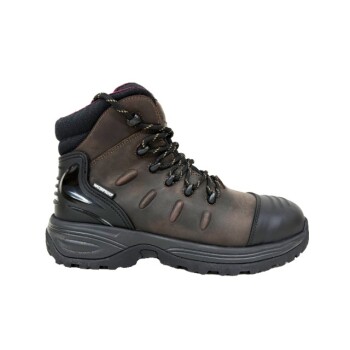
Slip resistance is the primary defense against catastrophic injury in aluminum processing environments. It ensures that workers maintain a stable, confident stance even when floor traction is compromised by production byproducts, spills, or debris. By mitigating the initial risk of a fall, these boots play a vital role in preventing severe secondary accidents, such as inadvertent contact with molten metal or high-temperature machinery.
In an aluminum processing center, a slip is rarely just a fall; it is a potential exposure event to extreme heat and hazardous materials. Slip-resistant outsoles provide the necessary mechanical grip to prevent these secondary, life-altering injuries.
The Operational Risks in Aluminum Processing
Complex Production Environments
Aluminum processing centers are dynamic workspaces. They frequently contain complex layouts where the condition of the floor can change rapidly.
Spills, accumulated debris, or slick surfaces are common byproducts of the production cycle. Without specialized footwear, these factors significantly compromise floor traction.
Slip-resistant boots compensate for these environmental variables, allowing workers to navigate the plant without altering their gait or focus.
Preventing Secondary Accidents
The most critical function of slip resistance in this industry is the prevention of "secondary accidents."
A primary accident is the slip itself; a secondary accident is what happens because of the slip. In aluminum processing, a loss of balance can cause a worker to fall into high-temperature machinery or spill hazardous materials they are handling.
Maintaining a stable stance ensures that workers remain upright and in control, keeping a safe distance from molten metal and other thermal hazards.
The Mechanics of Grip
High-Performance Outsoles
To achieve the necessary traction, safety boots utilize high-performance slip-resistant outsoles.
These are typically constructed from durable rubber or similar compounds designed to create friction against slick surfaces. The material composition is essential for gripping ground that may be coated in oil or water.
Tread Engineering
Material alone is not enough; the geometry of the sole matters. Effective boots feature deep tread patterns.
These treads act similarly to tires, channeling water, oil, and debris away from the contact point. This mechanism improves ground grip by ensuring the sole makes contact with the floor rather than riding on top of the spill.
Understanding the Trade-offs
The Limitations of "Slip Resistant"
While critical, slip resistance is not a guarantee of total immunity to falls.
No outsole can provide perfect traction on every possible contaminant. Extremely viscous fluids or loose, rolling debris (like ball bearings) can compromise even the highest-rated treads.
Wear and Effectiveness
Slip resistance is a depreciating asset. As the tread wears down over time, the boot's ability to channel fluids away decreases.
A boot that was safe six months ago may be a hazard today. Regular inspection of the outsole depth is required to ensure the safety features are still active.
Making the Right Choice for Your Safety Strategy
To select the correct footwear for your specific environment, consider the following technical priorities:
- If your primary focus is Thermal Safety: Prioritize boots with high-performance outsoles to ensure stability near molten metal, viewing grip as a preventative measure against burn injuries.
- If your primary focus is Environmental Contaminants: Select boots with deep, channel-focused tread patterns designed specifically to displace the oils or fluids common in your specific facility.
True safety in aluminum processing begins where the worker meets the floor.
Summary Table:
| Key Feature | Functional Benefit | Prevention Goal |
|---|---|---|
| High-Grip Outsole | Enhances friction on slick, oil-coated floors | Mitigates primary slip and fall risks |
| Tread Engineering | Channels water and debris away from contact point | Ensures stable footing in fluid environments |
| Stable Stance | Maintains worker balance during high-risk tasks | Prevents secondary contact with molten metal |
| Durable Materials | Resists wear from industrial floor contaminants | Sustains long-term traction performance |
Partner with 3515 for High-Performance Industrial Safety Solutions
As a large-scale manufacturer serving global distributors and brand owners, 3515 offers comprehensive production capabilities for all footwear types, anchored by our flagship Safety Shoes series. We understand the extreme demands of aluminum processing environments and provide specialized, slip-resistant footwear designed to prevent life-altering injuries.
Beyond our technical work boots, our extensive portfolio covers tactical boots, outdoor shoes, training sneakers, and Dress & Formal shoes to meet your diverse bulk requirements. Ensure your workforce or retail inventory meets the highest safety standards with a manufacturer that prioritizes engineering and durability.
Ready to elevate your product line with industry-leading safety footwear?
Contact our expert team today to discuss your bulk manufacturing needs.
References
- Adib Priyahita Wirazahrawan. Identifikasi Potensi Bahaya Menggunakan Metode Job Safety Analysis Di PT. SP Alumunium. DOI: 10.47701/sintech.v5i1.4968
This article is also based on technical information from 3515 Knowledge Base .
Related Products
- Wholesale Suede Chelsea Safety Boots for Custom & Private Label Manufacturing
- Wholesale Durable 6-Inch Work Boots | Custom & Private Label Manufacturer
- Puncture-Resistant Velcro Safety Boots for Wholesale & Custom Manufacturing
- Heavy-Duty Waterproof Nubuck Safety Boots Safety Shoes for Bulk Supply
- Durable Leather Moc Toe Work Boots for Wholesale & Custom Manufacturing
People Also Ask
- Why are chelsea boots considered a versatile style? The Ultimate Wardrobe Foundation
- What makes Chelsea boots a popular choice and how can they be styled? A Guide to Versatile Footwear
- Why are Chelsea boots easy to wear? Slip-On Style & Timeless Versatility
- Why are Chelsea boots so popular? Discover the Secret to Effortless, Timeless Style
- What are the characteristics of Chelsea boots? The Ultimate Guide to Style & Function