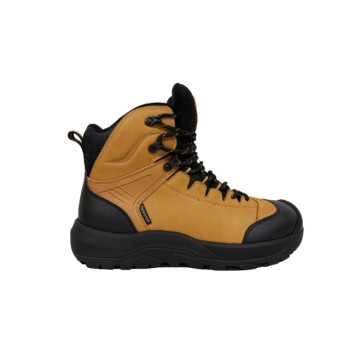
Choosing the right winter footwear is a critical decision for your health, safety, and comfort. The proper boots keep your feet warm and dry in cold and wet conditions, provide essential traction to prevent dangerous falls on ice, and offer the support needed to avoid foot-related injuries.
Beyond simple comfort, your choice of winter footwear is a strategic investment in your well-being. The right pair acts as a crucial barrier against the elements, protecting your overall health and ensuring you can navigate winter conditions safely and effectively.
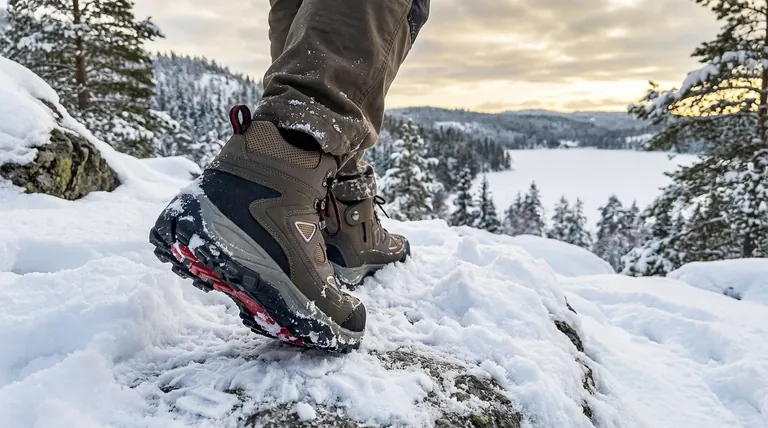
The Core Pillars of Winter Footwear
Understanding the fundamental functions of winter boots helps clarify why selection is so important. Each feature addresses a specific environmental challenge and a corresponding risk to your health.
Maintaining Core Body Temperature
Your feet play a significant role in regulating your body's overall temperature.
When your feet get cold, your body redirects blood flow away from your extremities to protect your vital organs, which can make you feel cold all over. Properly insulated boots prevent this initial heat loss, helping you stay warmer longer.
Ensuring Dryness and Health
Warmth is meaningless if your feet are wet. Moisture rapidly accelerates heat loss and creates an environment for health issues.
Waterproof or water-resistant materials are essential for keeping snow, slush, and rain out. This not only keeps you warm but also helps prevent fungal infections and other skin conditions that thrive in damp environments.
Preventing Slips and Falls
Ice and packed snow create notoriously hazardous surfaces. A slip and fall can lead to serious injuries, from sprains and fractures to concussions.
The outsole of a winter boot is designed for traction. Deep lugs and specialized rubber compounds provide the grip necessary to maintain your footing on slippery ground, forming your first line of defense against injury.
Providing Critical Foot Support
Winter terrain is often uneven and unforgiving. Walking through deep snow or on hidden ice requires your feet and ankles to work harder.
Good winter footwear provides a firm structure, proper arch support, and often lacing for a secure fit. This support is crucial for preventing common injuries like ankle sprains, tendonitis, and plantar fasciitis.
Common Pitfalls to Avoid
Many people underestimate the technical requirements of winter footwear, leading to poor choices that compromise safety and comfort.
Overlooking True Waterproofing
Many stylish boots are merely water-resistant, not fully waterproof. They can handle a light dusting of snow but will quickly become saturated in slush or winter rain. Always check for a waterproof membrane or sealed seams for reliable protection.
Sacrificing Support for Style
Fashion boots often lack the rigid sole and ankle support needed for winter conditions. While they may look good, they offer little protection against the twisting and turning motions that can lead to a sprained ankle on an icy patch.
Forgetting About the Activity
The boots you wear for a quick walk to the office are not suitable for a winter hike. Using footwear that isn't designed for your activity's intensity or duration can lead to blisters, inadequate warmth, and a higher risk of injury.
Making the Right Choice for Your Activity
Your specific needs should dictate your choice. To make the best decision, match the boot's features to your primary winter activities.
- If your primary focus is daily commuting: Prioritize a balance of moderate insulation, robust waterproofing, and a sole with good traction for icy sidewalks.
- If your primary focus is outdoor recreation: You need maximum insulation, aggressive tread for deep snow, and a supportive structure for uneven terrain.
- If your primary focus is outdoor work: Select certified safety boots that combine job-specific protection with deep insulation and all-day comfort.
Ultimately, selecting the right winter footwear is about proactively managing risk and ensuring you can face the season with confidence.
Summary Table:
| Key Function | Why It Matters | Health & Safety Risk Mitigated |
|---|---|---|
| Insulation | Maintains core body temperature | Prevents hypothermia, keeps you warm overall |
| Waterproofing | Keeps feet dry | Prevents fungal infections, rapid heat loss |
| Traction | Provides grip on ice and snow | Significantly reduces risk of slips and falls |
| Support | Stabilizes feet and ankles | Prevents sprains, tendonitis, and other injuries |
As a large-scale manufacturer, 3515 produces a comprehensive range of footwear for distributors, brand owners, and bulk clients. Our production capabilities encompass all types of shoes and boots.
Ensure your customers are equipped with high-quality, reliable winter footwear that meets the demands of any activity. From insulated safety boots for outdoor workers to stylish yet functional boots for daily commuters, we have the manufacturing expertise to deliver.
Contact 3515 today to discuss your winter footwear needs and secure a supply of durable, safe, and comfortable boots for your market.
Visual Guide

Related Products
- Premium Insulated Safety Boots and Shoes for Wholesale & Bulk Orders
- Factory Direct Wholesale Rain Boots Durable Waterproof & Fully Customizable
- Durable Waterproof Rain Boots | Custom Manufacturer for Wholesale & Brands
- Wholesale Waterproof Tactical Boots Custom Suede & High-Traction Soles
- Premium Waterproof High-Cut Industrial Safety Boots for Wholesale and Bulk Orders
People Also Ask
- What are the recommended insulation ratings for mild winter conditions? A Guide for Active & Stationary Workers
- How does insulation thickness correlate with temperature ranges? A Guide to Choosing the Right Warmth
- What insulation level is needed for severe cold and stationary work? 1200g or Higher is Essential
- What safety advantages do insulated boots offer beyond warmth? Dielectric Protection & Superior Grip
- How does fleece lining contribute to the warmth of insulated boots? Trapping Air for Superior Cold Protection