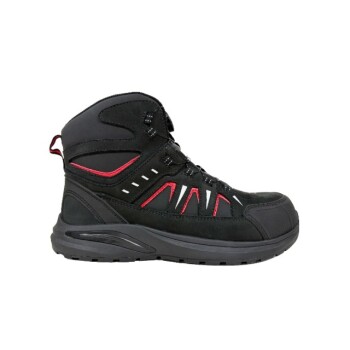
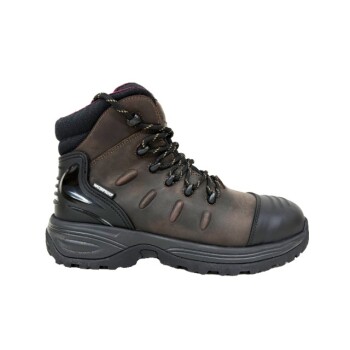
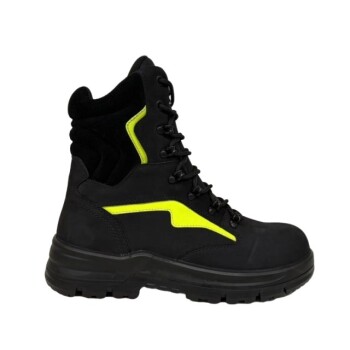
Footwear is the foundation of biomechanical stability during interactive balance training. Professional training or industrial-grade protective footwear is essential because it provides the critical ankle support and superior anti-slip grip required for high-frequency movements. Without this specialized gear, you compromise both the physical safety of the subject and the reliability of the performance data being collected.
The necessity of specialized footwear lies in the connection between physical stability and data precision. By absorbing impact and maintaining plantar pressure balance, these shoes ensure the safety of vulnerable subjects—such as the elderly—while guaranteeing the stability and accuracy of data collection during dynamic sessions.
The Biomechanics of Safety
Critical Ankle Support
Interactive balance training often involves high-frequency movements, such as side steps or rapid knee lifts. These lateral and vertical motions place significant stress on the ankle joint.
Professional footwear provides rigid structural support that prevents ankle rolling and instability. This is vital for preventing acute injuries during the dynamic shifts required by interactive training protocols.
Superior Anti-Slip Grip
Standard athletic shoes may lack the traction necessary for rapid direction changes on training surfaces. Industrial-grade and professional training shoes feature specialized outsoles designed for maximum friction.
This anti-slip capability ensures that when a subject plants their foot, it stays anchored. This eliminates the micro-slips that can lead to falls, particularly for elderly subjects with slower reaction times.
Impact Absorption and Fatigue Reduction
High-quality protective footwear is engineered with ergonomic designs and stable sole structures that absorb shock.
This absorption reduces the physical impact on knees and hips during repetitive movements. By minimizing physical fatigue and discomfort, the footwear allows subjects to train longer and more effectively without risking overuse injuries.
The Impact on Data Integrity
Stabilizing the Measurement Baseline
In a scientific or clinical setting, the accuracy of balance data is paramount. If a subject's foot shifts inside a soft shoe, or if the shoe slides on the floor, the sensors capture "noise" rather than true body movement.
The stable sole structure of professional footwear creates a consistent interface between the foot and the ground. This ensures that the data collected reflects the subject's actual motor control, not equipment failure.
Maintaining Plantar Pressure Balance
Accurate balance training requires the subject to distribute weight evenly or specifically according to the exercise.
Specialized footwear helps maintain plantar pressure balance, ensuring the foot remains flat and stable. This stability allows for precise tracking of center-of-pressure metrics, which are often the core indicators of balance performance.
Understanding the Trade-offs
Weight vs. Agility
While industrial-grade footwear offers superior protection, it can be heavier than standard athletic shoes.
Excessive weight can potentially alter the gait of frail subjects or induce fatigue faster than lightweight alternatives. It is crucial to select footwear that balances heavy-duty protection with lightweight, ergonomic materials to avoid hindering movement.
Sensory Feedback
Thick, protective soles absorb impact but can also dampen the sensory feedback (proprioception) the foot receives from the ground.
In some rehabilitation contexts, "feeling" the floor is important. You must ensure the sole thickness provides protection without completely isolating the nerves in the foot from tactile cues needed for balance corrections.
Making the Right Choice for Your Goal
Selecting the correct footwear depends on the specific priorities of your training program.
- If your primary focus is safety for elderly subjects: Prioritize footwear with maximum ankle support and high-friction anti-slip outsoles to prevent falls during lateral movements.
- If your primary focus is data precision: Choose professional training shoes with a rigid, flat sole structure to ensure consistent plantar pressure and noise-free measurement.
- If your primary focus is duration and endurance: Look for industrial-grade options with ergonomic, impact-resistant features that specifically target fatigue reduction.
The right footwear transforms balance training from a risky physical activity into a controlled, measurable, and safe scientific process.
Summary Table:
| Feature | Benefit for Balance Training | Impact on Performance |
|---|---|---|
| Rigid Ankle Support | Prevents rolling and lateral instability | Reduces injury risk during high-frequency movements |
| Anti-Slip Outsoles | Maximum friction and floor anchoring | Eliminates micro-slips for elderly and vulnerable users |
| Impact Absorption | Shock-resistant ergonomic cushioning | Minimizes joint fatigue for longer, safer training sessions |
| Stable Sole Structure | Consistent ground-to-foot interface | Ensures high-integrity, noise-free data collection |
Partner with 3515 for High-Performance Industrial & Athletic Footwear
As a large-scale manufacturer serving global distributors and brand owners, 3515 provides the specialized footwear infrastructure your business needs. We offer comprehensive production capabilities across all footwear types, from our flagship Safety Shoes and Tactical Boots to high-performance Training Shoes and Sneakers.
Whether you are equipping a clinical facility or expanding a retail brand, our bulk manufacturing solutions ensure your customers receive the biomechanical stability and impact resistance required for professional applications.
Ready to elevate your inventory with industry-grade quality?
Contact our expert team today to discuss your wholesale requirements and custom production needs.
References
- Wayne Chan, Oscar Lok Wang Chan. A randomised controlled pilot study of a Nintendo Ring Fit Adventure™ balance and strengthening exercise program in community‐dwelling older adults with a history of falls. DOI: 10.1111/ajag.13297
This article is also based on technical information from 3515 Knowledge Base .
Related Products
- Premium Wholesale Waterproof Safety Boots High Performance Protection for Industrial Markets
- Wholesale Customizable Safety Boots Durable & Protective Footwear Manufacturing
- Heavy Duty Nubuck Safety Boots Safety Shoes for Global Distribution
- Wholesale Anti-Smash & Puncture-Proof Safety Shoes Custom Manufacturing for Brands
- Premium Wholesale Tactical Style Safety Shoes Boots with Quick Lacing
People Also Ask
- What weather and chemical protections do premium boots offer? Your Complete Guide to Safety & Performance
- Why are waterproof safety boots recommended for certain work environments? Essential Protection for Wet & Hazardous Jobs
- What are the primary protective functions of industrial safety boots in oil palm plantations? Master Rough Terrain Safety
- Why are oil-resistant and anti-slip properties critical for industrial safety boots? Expert Outsole Engineering Guide
- What are the best types of shoes for different gardening conditions? Find Your Perfect Match.