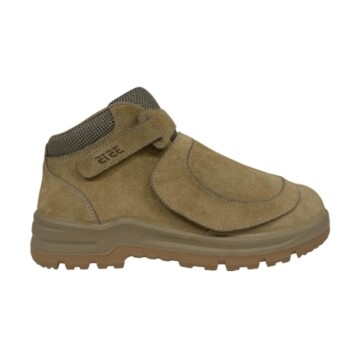
Effective moisture management is essential because the environment surrounding fixed rock breakers creates a unique combination of high humidity and extreme temperatures. Without specialized design features like wicking liners and breathable materials to facilitate rapid sweat evaporation, moisture accumulation threatens skin integrity and significantly degrades wearer comfort in these high-stress industrial zones.
In the extreme heat and humidity of underground mining, moisture control is a safety necessity, not a luxury. It prevents the accumulation of sweat to preserve skin health and ensure the operator remains focused and comfortable throughout their shift.
The Environmental Challenge
Extreme Heat and Humidity
The operational zone around fixed rock breakers is rarely temperate. These areas in underground mines are subject to extreme temperatures generated by heavy machinery and the ambient underground climate.
When combined with naturally high humidity, this creates an environment where the body attempts to cool itself through heavy perspiration.
The "Sauna Effect" Inside the Boot
Standard footwear traps this heat and moisture, effectively creating a sauna around the foot.
Without intervention, humidity accumulates rapidly inside the boot. This accumulation is the primary antagonist to both comfort and safety in long-duration shifts.
The Physiological Impact
Preserving Skin Integrity
The most critical reason for moisture management is the maintenance of skin integrity.
When skin remains wet for prolonged periods, it softens and becomes vulnerable. This breakdown makes the foot susceptible to blisters, abrasions, and other injuries that can sideline a worker.
Ensuring Long-Term Comfort
Comfort is directly linked to cognitive performance and safety in high-stress industrial environments.
A worker distracted by the discomfort of wet, overheated feet is less attentive to the hazards of operating heavy equipment. maintaining a dry foot environment is vital for sustained focus.
The Design Solution
Moisture-Wicking Liners
To combat these conditions, safety boots must utilize internal moisture-wicking liners.
These liners physically pull sweat away from the skin surface. By moving moisture to the outer layers of the boot, the liner prevents the "swamp foot" sensation associated with standard heavy-duty footwear.
Breathable Materials
Wicking is only half the solution; the moisture must also escape the boot.
Breathable materials allow for the rapid evaporation of the sweat that has been wicked away. This airflow helps regulate the internal temperature of the boot, mitigating the impact of the external heat.
Understanding the Trade-offs
Breathability vs. Water Resistance
While maximum breathability is crucial for sweat management, it can sometimes compromise water resistance.
Boots designed to vent hot air and moisture rapidly may be less effective if the worker is standing in deep pools of water.
Durability Considerations
Highly breathable materials often utilize porous structures or mesh panels.
In the rugged environment of a rock breaker, these materials must be reinforced to ensure they offer the same mechanical protection as denser, less breathable materials.
Making the Right Choice for Your Goal
When selecting safety footwear for high-heat mining environments, align your choice with the specific environmental hazards:
- If your primary focus is Skin Health: Prioritize boots with aggressive moisture-wicking liners to keep the skin surface dry and resistant to blistering.
- If your primary focus is Heat Stress Reduction: Prioritize boots utilizing highly breathable materials to maximize airflow and evaporation rates.
Proper moisture management is the foundational layer of protection that allows a miner to stand firm against the rigors of the job.
Summary Table:
| Feature | Primary Function | Key Benefit |
|---|---|---|
| Moisture-Wicking Liners | Draws sweat away from the skin | Preserves skin integrity and prevents blisters |
| Breathable Materials | Facilitates rapid sweat evaporation | Regulates internal temperature and reduces heat stress |
| Reinforced Construction | Combines mesh with durable overlays | Balances high airflow with mechanical protection |
| Ergonomic Design | Maintains dry foot environment | Enhances worker focus and long-term comfort |
Partner with 3515 for High-Performance Industrial Footwear
As a large-scale manufacturer serving distributors and brand owners, 3515 offers comprehensive production capabilities for all footwear types, anchored by our flagship Safety Shoes series. Our moisture-management technologies are engineered to withstand the extreme humidity and heat of mining and heavy industrial environments.
Our extensive portfolio covers:
- Industrial & Tactical: Safety boots, work boots, and tactical gear.
- Athletic & Outdoor: Training shoes, sneakers, and rugged outdoor footwear.
- Professional: Dress & Formal shoes to meet diverse bulk requirements.
Ready to upgrade your inventory with superior footwear solutions? Contact us today to discuss your bulk needs and custom requirements.
References
- Adam Wróblewski, Anna Janicka. CFD Analysis of the Forced Airflow and Temperature Distribution in the Air-Conditioned Operator’s Cabin of the Stationary Rock Breaker in Underground Mine under Increasing Heat Flux. DOI: 10.3390/en16093814
This article is also based on technical information from 3515 Knowledge Base .
Related Products
- Puncture-Resistant Velcro Safety Boots for Wholesale & Custom Manufacturing
- Wholesale Durable Safety Boots | Custom Steel Toe & Puncture-Resistant Manufacturing
- Premium Grain Leather Safety Boots for Bulk Supply
- Heavy-Duty Waterproof Nubuck Safety Boots Safety Shoes for Bulk Supply
- Premium High-Cut Waterproof Safety Boots Manufacturing & Wholesale Solutions
People Also Ask
- Why are industrial safety boots with steel toes necessary for machine operators? Essential Foot Protection for Safety
- What are the characteristics of steel toe safety boots? Maximum Protection, Key Trade-offs
- Is it true that steel toes can cause toes to get cut off? Debunking the Dangerous Myth
- What are the primary safety functions of safety boots with steel-toe designs? Essential Protection for Industry
- What are the different types of safety toe boots available? Choose the Right Protection for Your Job