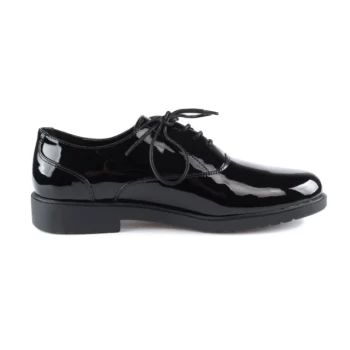
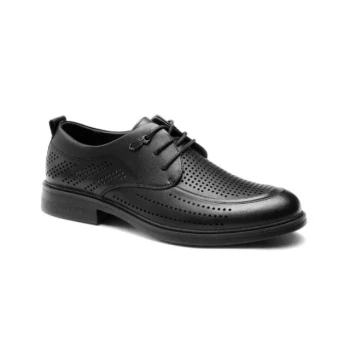
Accurately simulating internal layers is strictly necessary because these invisible components—such as interlining and padding—dictate the structural integrity and physical behavior of the final product. Without defining these layers, a 3D model lacks the data required to replicate the true thickness, crispness, and mechanical performance of the actual garment or footwear.
Core Takeaway Visual accuracy in high-end design is not just about the surface texture; it is about volume and behavior. Defining internal material layers is the only way to ensure virtual prototypes respect the interactions between fabric layers, resulting in a silhouette that truly matches the final wearing effect.
The Structural Role of Invisible Layers
Defining the True Silhouette
In high-end fashion and footwear, the outer shape is rarely supported by the shell fabric alone. Internal layers provide the necessary architecture.
By simulating padding and interlining, you force the 3D software to calculate the interaction between multiple fabric layers. This ensures the virtual model holds its shape and volume correctly, preventing the "deflated" look common in lower-fidelity simulations.
Replicating Mechanical Performance
Fabrics behave differently when they are bonded or layered. A soft silk behaves like a rigid structure when backed by a heavy interlining.
Simulating these layers captures the mechanical performance of the composite material. This allows the designer to see how the garment restricts movement or drapes under its own weight with high precision.
Achieving Visual Fidelity: Crispness and Thickness
A high-end product is often defined by the sharpness of its edges and the substantial feel of its construction.
Internal components directly influence the crispness of collars, cuffs, and structured areas. Furthermore, simulating these layers visualizes the actual thickness of the material stack, which is critical for evaluating proportions in footwear and outerwear.
Understanding the Trade-offs
The Cost of Complexity
While necessary for accuracy, simulating internal layers introduces complexity to the digital workflow.
Accurately defining these layers requires precise data input for every component, not just the visible shell. This increases the time required to set up the 3D scene.
Balancing Simulation Speed vs. Accuracy
Including multiple hidden layers increases the computational load on the simulation engine.
Users must balance the need for a hyper-realistic wearing effect against the speed of the rendering process. For quick concept iteration, this level of detail may be excessive, but for final sign-off, it is non-negotiable.
Making the Right Choice for Your Goal
To determine when to invest in simulating internal layers, consider your current stage in the development cycle:
- If your primary focus is rapid aesthetic concepting: You may omit internal layers to prioritize speed, as long as you accept that the silhouette will be an approximation.
- If your primary focus is final fit and silhouette approval: You must simulate all internal layers to ensure the virtual evaluation results are consistent with the physical product.
True digital confidence comes from knowing your virtual prototype behaves exactly like the physical reality.
Summary Table:
| Component | Structural Role | Impact on Virtual Prototype |
|---|---|---|
| Interlining | Provides stiffness & support | Ensures crispness in collars, cuffs, and footwear uppers |
| Padding | Adds volume & insulation | Defines the true silhouette and prevents a "deflated" look |
| Internal Layers | Multi-layer interaction | Captures accurate thickness and complex drape behavior |
| Mechanical Data | Physical performance | Replicates how composite materials restrict or allow movement |
Elevate Your Product Development with 3515
As a premier large-scale manufacturer serving global distributors and brand owners, 3515 combines traditional craftsmanship with cutting-edge technology. Our comprehensive production capabilities cover all footwear types—from our flagship Safety Shoes and Tactical Boots to high-performance Outdoor & Training shoes and refined Dress & Formal footwear.
By partnering with us, you gain access to a supply chain that understands the technical nuances of both physical construction and digital accuracy. Let us help you bridge the gap between virtual design and bulk manufacturing excellence.
Ready to scale your production? Contact us today to discuss your bulk requirements.
References
- Manuela Avădanei, Irina Ionescu. A New Approach to Dynamic Anthropometry for the Ergonomic Design of a Fashionable Personalised Garment. DOI: 10.3390/su14137602
This article is also based on technical information from 3515 Knowledge Base .
Related Products
- Durable High-Ankle Tactical Boots Wholesale Manufacturer for Custom & Bulk Orders
- Durable Leather High-Ankle Tactical Boots for Wholesale & Custom Manufacturing
- Durable High-Ankle Tactical Boots for Wholesale & Custom Manufacturing
- Wholesale Durable Camouflage Canvas Shoes with High-Traction Cleated Rubber Sole
- Wholesale Durable & Breathable Training Shoes for Custom Brands
People Also Ask
- What specialized protections do tactical boots offer? Maximize Endurance with High-Performance Footwear
- How do tactical boots protect against injuries? Discover the Integrated Safety System
- What are the ideal use cases for tactical boots? Empower Your Performance in Demanding Scenarios
- Can tactical boots be stylish for everyday wear? Yes, with the right styling and features.
- What are the primary benefits of wearing tactical boots for everyday use? Get All-Day Comfort & Durability