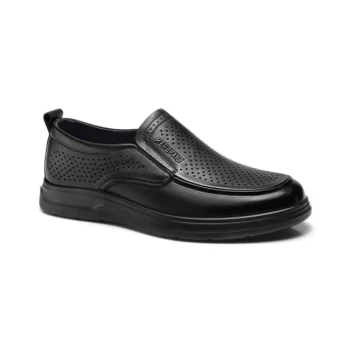
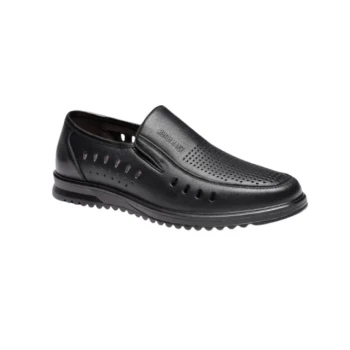
3D tailoring technology revolutionizes wearable design by enabling the creation of tight-fitting, flexible interfaces that function like a second skin. This manufacturing approach facilitates the miniaturization and lightweight construction of footwear modules and leggings, ensuring they integrate seamlessly with the human limb rather than acting as an external obstruction.
The core value of 3D tailoring in human-machine interaction is the elimination of ergonomic friction. By making high-tech devices feel like standard clothing, this approach dramatically improves user comfort and ensures consistent usage during daily activities.
Optimizing the Physical Form Factor
Achieving Miniaturization
Traditional wearable hardware can be bulky and obtrusive. 3D tailoring allows for the significant miniaturization of these components.
Lightweight Construction
By integrating technology directly into the fabric structure, the overall weight of the device is drastically reduced. This reduction is critical for preventing fatigue during extended wear.
Seamless Structural Integration
The technology creates leggings or boot liners that serve as a cohesive unit. This eliminates the need for heavy straps or external mounting hardware typically found in earlier human-machine interfaces.
Enhancing Biomechanics and Usability
Mimicking Standard Clothing
The primary goal of this technology is to make the device indistinguishable from regular apparel. The tailored components fit the limb precisely, offering the familiar sensation of wearing standard leggings or socks.
Unrestricted Range of Motion
Standard mechanical interfaces often limit how a user moves. 3D tailored designs ensure that the device does not restrict movement, preserving natural biomechanics.
Support for Aerobic Activity
Because the interface is flexible and lightweight, it supports dynamic movements. Users can engage in aerobic exercise or daily walking without the device becoming a hindrance or a distraction.
Understanding the Constraints
The Requirement for Precision Fit
The effectiveness of these devices relies entirely on a tight, accurate fit. If the 3D tailoring is imprecise, the interface may slip or fail to transmit signals accurately, negating the benefits of the technology.
User Compliance Dependencies
While comfort is improved, the device must remain comfortable over long periods to ensure compliance. Any friction points introducing discomfort will lead to the user abandoning the wearable, regardless of its technical capabilities.
Making the Right Choice for Your Design
If you are developing wearable interfaces for active users, consider how 3D tailoring aligns with your specific goals:
- If your primary focus is Performance: Prioritize the lightweight and non-restrictive nature of the design to ensure the user's natural gait and aerobic capacity are not compromised.
- If your primary focus is User Adoption: Leverage the "standard clothing" feel to reduce the psychological barrier of wearing a robotic or monitoring device in public.
By shifting from rigid hardware to 3D tailored textiles, you transform a complex machine into a wearable essential that users will actually want to wear.
Summary Table:
| Feature | Traditional Wearable Design | 3D Tailoring Technology |
|---|---|---|
| Form Factor | Bulky, external hardware | Miniaturized, integrated fabric |
| Weight | Heavy, causes fatigue | Lightweight, second-skin feel |
| Movement | Restricted range of motion | Unrestricted, supports aerobic activity |
| User Comfort | High ergonomic friction | Mimics standard clothing |
| Interface | Straps and external mounts | Seamless structural integration |
Partner with 3515 for Advanced Wearable Manufacturing
As a large-scale manufacturer serving global distributors and brand owners, 3515 offers comprehensive production capabilities to bring your most innovative designs to life. From our flagship Safety Shoes series to technical tactical boots and 3D-integrated footwear modules, we provide the scale and precision required for bulk footwear requirements.
Whether you are developing high-performance training shoes or specialized human-machine interface leggings, our expertise ensures your products meet the highest standards of durability and ergonomic excellence.
Ready to scale your production? Contact us today to discuss how our manufacturing power can support your brand's growth.
References
- Wenbo Zhang, Li Shao. Recognition of Human Lower Limb Motion and Muscle Fatigue Status Using a Wearable FES-sEMG System. DOI: 10.3390/s24072377
This article is also based on technical information from 3515 Knowledge Base .
Related Products
- Men's Breathable Perforated Loafers Wholesale & OEM Manufacturing
- Wholesale Breathable Perforated Slip-On Loafers Custom Manufacturing
- Wholesale Durable & Breathable Training Shoes for Custom Brands
- Wholesale Breathable & Cushioned Training Shoes Custom Factory Production
- Wholesale Breathable Training Shoes Custom Athletic Footwear Manufacturer
People Also Ask
- Why are loafers considered a business casual must-have? Achieve Effortless Style and Comfort
- How are loafers different from moccasins? Understand Construction, Formality & Use
- What are loafers and how are they styled? A Guide to Effortless Style & Versatility
- What are loafers, and how are they typically worn? A Guide to Styles and Versatility
- What makes loafers a good choice for casual shoes? Discover Unmatched Versatility & Style