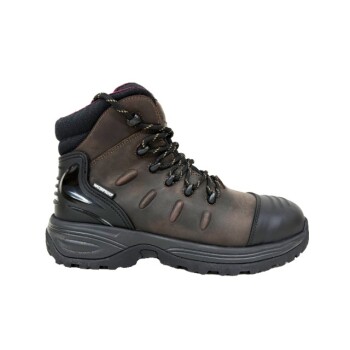
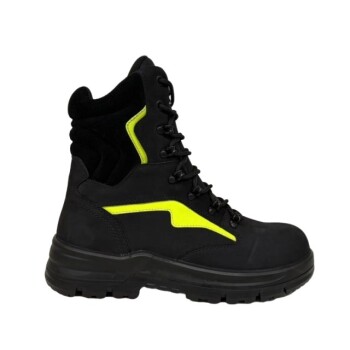
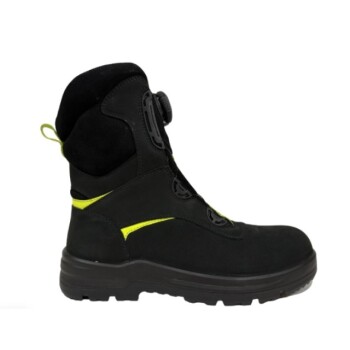
Livestock environments present a unique combination of chemical and physical hazards. Safety boots must be moisture-resistant and soil-resistant because farm work involves constant exposure to water, animal waste, and corrosive materials. Without these specific barriers, liquid penetration compromises foot hygiene and degrades the structural integrity of the footwear.
Preventing liquid penetration is not just about comfort; it is a critical health requirement. Moisture and soil resistance act as a barrier against corrosive animal waste and bacteria, ensuring the occupational health of farm workers while preserving the boot's material lifespan.
The Critical Role of Resistance
Preventing Contamination and Infection
Farm environments are rarely just "wet"; they are often contaminated with animal waste and organic matter.
Moisture-resistant features, such as waterproof coatings, prevent these potentially harmful fluids from penetrating the boot.
This barrier is essential for keeping feet hygienic and free from infections caused by prolonged exposure to dirty water or manure.
Combating Material Corrosion
Livestock soil and waste are often chemically corrosive.
Standard footwear materials can degrade quickly when subjected to the acidity found in farm environments.
Soil-resistant properties ensure the boot maintains its robust construction, preventing premature breakdown of the upper materials.
Maintaining Slip Resistance
A boot that absorbs water or allows soil to cake onto the surface loses its functionality.
Resistant materials help shed mud and liquid, which is vital for maintaining effective slip resistance.
This stability is crucial in preventing falls on slick, uneven farm terrain.
Impact Protection and Durability
Shielding Against Physical Trauma
The robust construction required to resist soil and moisture also provides a chassis for impact safety.
These boots often feature reinforcement that protects against falling objects, a common hazard in livestock management.
Features like steel caps are integrated into this durable framework to ensure maximum physical safety.
Longevity Through Premium Construction
Durable boots are engineered to withstand harsh conditions through meticulous manufacturing.
Using premium materials, such as quality leather with specialized treatments, ensures long-term protection.
This durability reduces the frequency of replacement, offering better long-term value and consistent safety.
Understanding the Trade-offs
Weight vs. Protection
The robust construction necessary for soil and moisture resistance often results in a heavier boot.
While this provides maximum protection against penetration and impact, it can lead to increased leg fatigue during long shifts.
Stiffness and Break-in Period
Materials designed to resist corrosive soil are inherently tough and rigid.
These boots may require a longer break-in period before they feel flexible and comfortable.
Users must balance the need for immediate comfort with the necessity of long-term durability.
Making the Right Choice for Your Goal
Selecting the correct footwear depends on the specific intensity of the livestock environment.
- If your primary focus is hygiene and health: Prioritize boots with certified waterproof coatings to create an impermeable barrier against animal waste.
- If your primary focus is physical safety: Ensure the boot features robust construction and steel caps to protect against heavy livestock and falling equipment.
- If your primary focus is longevity: Look for premium leather options with explicit soil-resistant properties to withstand corrosive elements over time.
Investing in moisture and soil-resistant footwear is the single most effective way to secure both the health of your feet and the longevity of your equipment in harsh farm conditions.
Summary Table:
| Feature | Benefit for Livestock Environments | Impact on Worker Safety |
|---|---|---|
| Moisture Resistance | Blocks animal waste and contaminated water | Prevents infections and maintains foot hygiene |
| Soil Resistance | Repels corrosive organic matter and mud | Extends boot lifespan and prevents material decay |
| Slip Resistance | Sheds debris to keep outsoles clear | Reduces falls on slick, uneven farm terrain |
| Robust Construction | Shields against physical trauma and impacts | Protects feet from heavy livestock and falling objects |
Partner with 3515 for High-Performance Livestock Safety Footwear
As a large-scale manufacturer serving distributors and brand owners, 3515 offers comprehensive production capabilities for all footwear types, anchored by our flagship Safety Shoes series. We understand the rigorous demands of agricultural environments, providing premium moisture and soil-resistant solutions that protect workers and enhance brand reputation. Our extensive portfolio also covers work and tactical boots, outdoor shoes, training shoes, and sneakers, as well as Dress & Formal shoes to meet your diverse bulk requirements.
Ready to upgrade your inventory with durable, farm-ready footwear? Contact us today to discuss your bulk manufacturing needs!
References
- Maria Verde, Giampaolo Raimondi. A smart combination of IoT and blockchain enabling technologies to measure and improve workplace safety in dairy farm. DOI: 10.21014/actaimeko.v12i4.1634
This article is also based on technical information from 3515 Knowledge Base .
Related Products
- Premium Grain Leather Safety Boots for Bulk Supply
- Premium Oil Wax Leather Safety Boots for Bulk Purchase
- Premium Waterproof Nubuck Safety Boots for Wholesale
- Premium High-Cut Waterproof Safety Boots Manufacturing & Wholesale Solutions
- Heavy-Duty Waterproof Nubuck Safety Boots Safety Shoes for Bulk Supply
People Also Ask
- What are the risks of using ordinary rubber boots in forest clearing? Why professional safety boots are essential
- What are the consequences of not wearing safety boots? Protect Your Finances and Career
- What materials are commonly used for outsoles in safety boots? A Guide to Durability, Grip, and Comfort
- What are the common types of safety boots and their primary uses? A Guide to Industrial Footwear
- Why is proper storage important for safety boots? Preserve Protection and Extend Lifespan