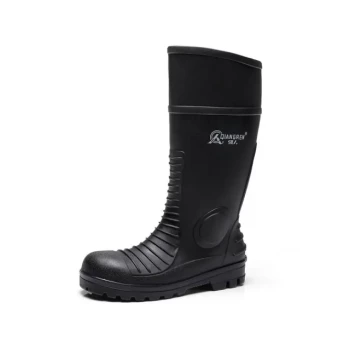
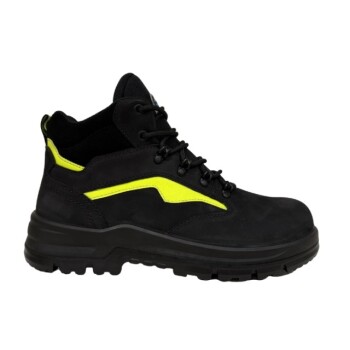
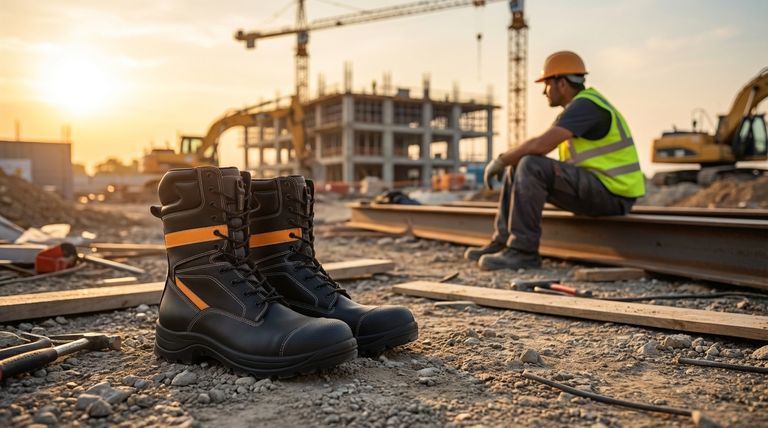
In any demanding work environment, combining safety and comfort in work boots isn't just a preference; it is a fundamental requirement for operational effectiveness. The two are inextricably linked because safety features are rendered useless if a boot is too uncomfortable to wear correctly, while a comfortable boot without protection offers a false and dangerous sense of security. This synthesis directly impacts a worker's health, focus, and long-term well-being.
True workplace protection is not achieved by simply meeting a safety standard on paper. It is achieved by designing footwear that a worker can wear consistently and effectively all day, because neglecting comfort directly undermines the very safety features the boot is meant to provide.
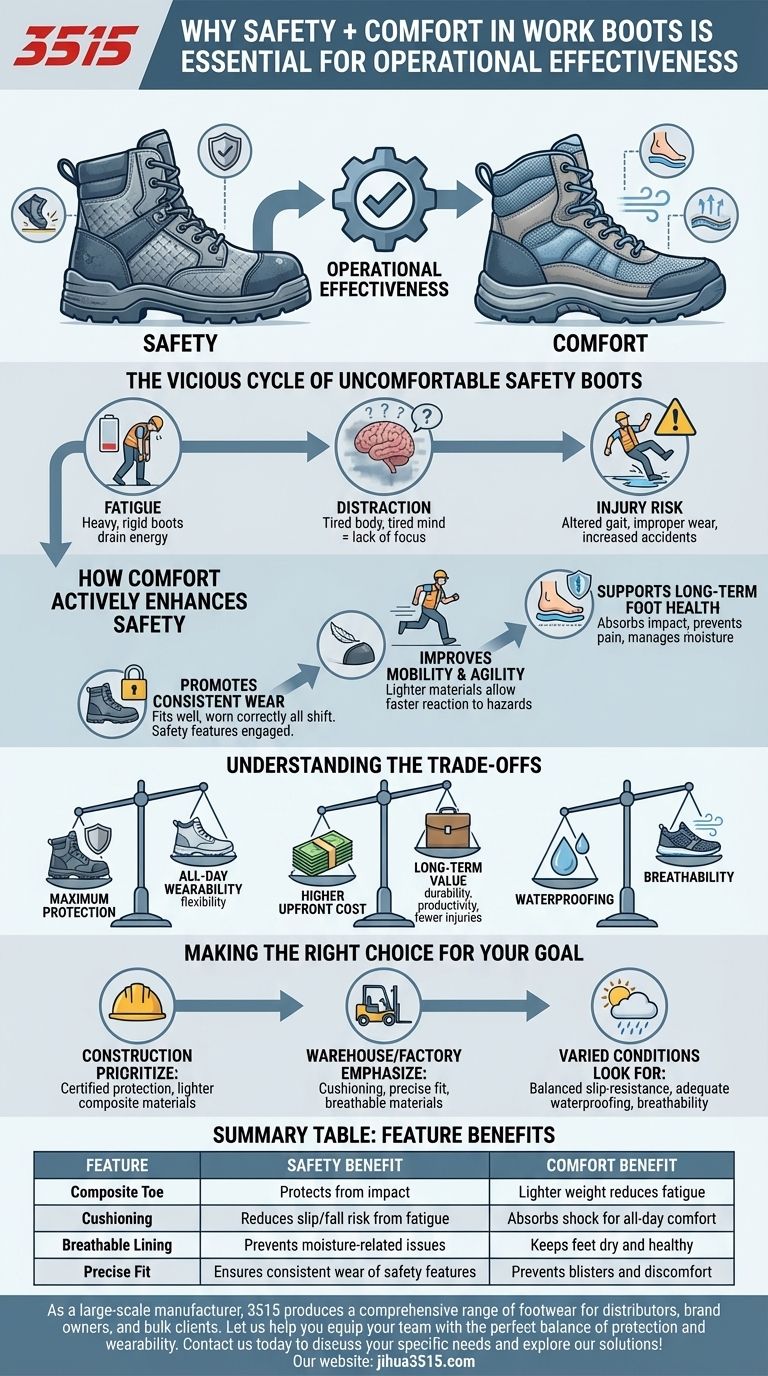
The Vicious Cycle of Uncomfortable Safety Boots
Ignoring comfort in the name of safety often backfires, creating a cascade of negative effects that ultimately increase the risk of injury.
It Starts with Fatigue
Heavy, rigid, or ill-fitting boots require more physical energy to wear and move in. This constant drain on energy leads directly to physical fatigue over the course of a long shift.
Fatigue Leads to Distraction
As the body tires, mental focus wanes. A fatigued worker is a distracted worker, less able to pay close attention to their surroundings and the task at hand.
Distraction Increases Injury Risk
An uncomfortable boot can alter a person's natural gait, making them more susceptible to slips, trips, and falls. More importantly, workers may loosen laces, shift their feet improperly, or even remove the boots when possible, completely negating their protective features at critical moments.
How Comfort Actively Enhances Safety
Viewing comfort not as a luxury but as a core component of a safety system reveals its true importance. A well-designed, comfortable boot actively contributes to a safer work environment.
Promoting Consistent and Correct Wear
When a boot fits well and feels good, it's worn properly from the start of the shift to the end. This ensures that safety features like protected toes and puncture-resistant soles are always in place to do their job.
Improving Mobility and Agility
Modern materials, such as composite toes, offer robust protection at a significantly lower weight than traditional steel. This reduction in weight enhances mobility, allowing workers to move more naturally and react faster to avoid potential hazards.
Supporting Long-Term Foot Health
Proper cushioning absorbs the repetitive impact of walking on hard surfaces, protecting joints and reducing strain. A precise fit prevents chronic issues like blisters and pain, while breathable linings manage moisture to keep feet dry and healthy.
Understanding the Trade-offs
Choosing the right work boot involves balancing competing needs. Understanding the inherent trade-offs is key to making an informed decision.
Maximum Protection vs. All-Day Wearability
The most heavily armored boot might be ideal for a demolition site but is often too heavy and cumbersome for a role requiring constant walking or climbing. The goal is to match the level of protection to the specific, realistic hazards of the job.
Cost vs. Long-Term Value
High-quality boots that successfully merge comfort and safety often have a higher upfront cost. However, this investment typically pays for itself through greater durability, improved productivity, and a reduction in potential injury-related costs.
Waterproofing vs. Breathability
A completely sealed, waterproof boot is essential for wet environments but can trap sweat and lead to discomfort in hot, dry conditions. Conversely, a highly breathable boot may not offer adequate protection from external moisture. The right choice depends entirely on the primary work environment.
Making the Right Choice for Your Goal
Select your footwear based on the most pressing demands of your specific role.
- If your primary focus is working in hazardous construction: Prioritize boots with certified toe and puncture protection, but seek out models using lighter composite materials to reduce fatigue.
- If your primary focus is long hours on your feet in a warehouse or factory: Emphasize exceptional cushioning, a precise fit, and breathable materials to minimize end-of-day pain and maintain focus.
- If your primary focus is navigating varied indoor and outdoor conditions: Look for a balanced boot with reliable slip-resistant outsoles, adequate waterproofing, and sufficient breathability.
Ultimately, the safest work boot is the one you can wear correctly and comfortably for the entire duration of your shift.
Summary Table:
| Feature | Safety Benefit | Comfort Benefit |
|---|---|---|
| Composite Toe | Protects from impact | Lighter weight reduces fatigue |
| Cushioning | Reduces slip/fall risk from fatigue | Absorbs shock for all-day comfort |
| Breathable Lining | Prevents moisture-related issues | Keeps feet dry and healthy |
| Precise Fit | Ensures consistent wear of safety features | Prevents blisters and discomfort |
As a large-scale manufacturer, 3515 produces a comprehensive range of footwear for distributors, brand owners, and bulk clients. Our production capabilities encompass all types of safety and comfort-focused shoes and boots, designed to enhance worker well-being and operational efficiency. Let us help you equip your team with the perfect balance of protection and wearability. Contact us today to discuss your specific needs and explore our solutions!
Visual Guide
Related Products
- Durable Leather Work Boots for Wholesale & Custom Manufacturing
- Durable Leather Work Boots for Wholesale & Custom OEM Manufacturing
- Durable Leather Work Boots Wholesale Manufacturer & Custom Factory
- Durable Leather Moc Toe Work Boots for Wholesale & Custom Manufacturing
- Wholesale Durable 6-Inch Work Boots | Custom & Private Label Manufacturer
People Also Ask
- What is the difference between full-grain and top-grain leather? Premium Material Guide for Boot Manufacturers
- What are the common workplace hazards that can be mitigated with the right work boots? Protect Your Workforce
- What are the common foot issues workers face due to uncomfortable work boots? Prevent Pain & Deformities
- What are the advantages of leather versus synthetic work boots? A Guide to Choosing the Right Material
- What are the key components of modern work boots? Engineered for Ultimate Durability and Comfort