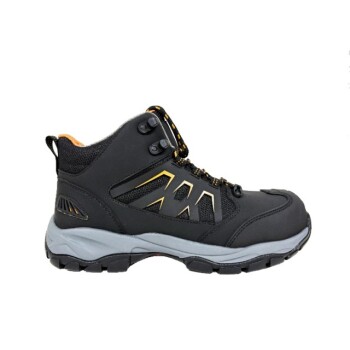
Prioritizing the use of steel toe shoes is a foundational step for any organization operating in hazardous environments. It is a direct investment in a safer workplace that demonstrably reduces the risk of serious foot injuries from impacts, compression, and punctures, thereby protecting employees and enhancing operational productivity.
The decision to mandate steel toe footwear is not merely about fulfilling a safety checklist. It is a strategic imperative that mitigates critical financial and operational risks by preventing injuries, ensuring regulatory compliance, and fostering a culture of safety.
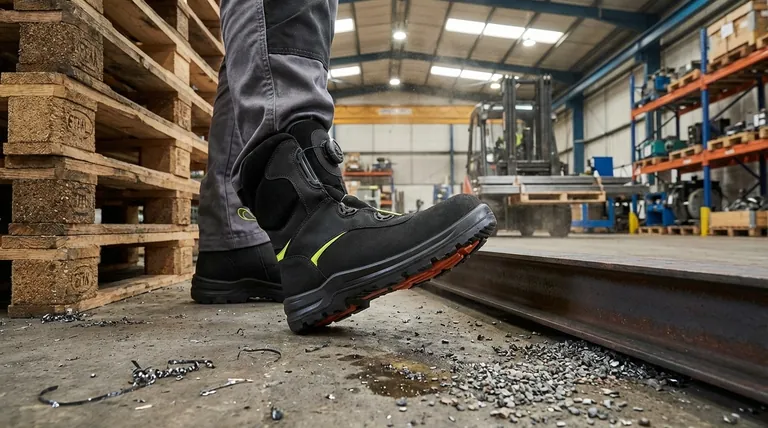
The Core Function of a Steel Toe Shoe
What It Is
A steel toe shoe, or boot, is a piece of personal protective equipment (PPE) designed with a reinforced steel capping over the toe area.
How It Works
This internal steel cap is engineered to withstand significant force. It protects the wearer’s toes from severe impact caused by falling objects and compression from heavy machinery or rolling equipment.
Key Protections Offered Beyond Impact
Protection from Falling & Rolling Objects
This is the primary and most recognized benefit. In environments like construction sites, warehouses, and factories, the steel toe cap acts as a crucial barrier against heavy items that could crush the foot.
Defense Against Punctures and Cuts
Many work environments, from auto repair shops to manufacturing floors, contain sharp materials like nails, scrap metal, or glass. The durable construction of these shoes helps prevent objects from piercing the sole or upper material.
Mitigation of Electrical Hazards
When properly designed and insulated, steel toe shoes can protect workers from open circuits. This is a critical feature for electricians, maintenance staff, and anyone working around potential electrical hazards.
Prevention of Slips and Falls
High-quality steel toe footwear is designed with slip-resistant outsoles. This provides better traction on wet, oily, or uneven surfaces, which is a leading cause of workplace accidents.
The Business Case for Prioritization
Ensuring Regulatory Compliance
Mandating appropriate PPE, including steel toe shoes, is often a core requirement for compliance with occupational safety standards, such as those set by OSHA. Failure to comply can result in significant fines and legal liability.
Reducing Workplace Injuries and Costs
Foot injuries can be debilitating, leading to lost workdays, high workers' compensation claims, and a decrease in overall productivity. Proactively preventing these injuries is far more cost-effective than reacting to them.
Applicability Across Industries
The need for this protection is widespread. It is essential in construction, warehousing, farming, manufacturing, auto repair, and any setting where heavy items, machinery, or sharp materials are present.
Understanding the Trade-offs
Weight and Durability
Steel is inherently heavier than alternative materials like composite toes. However, it also offers exceptional durability and has a long-standing reputation for reliable protection.
Cost-Effectiveness
Steel toe shoes are typically less expensive than their composite counterparts. This makes them a highly affordable and effective solution for outfitting large teams without compromising on impact and compression safety.
Thermal Conductivity
As a metal, steel will conduct temperature more readily than composite materials. In extremely cold environments, this can be a comfort consideration, though properly insulated boots can mitigate this effect.
Making the Right Choice for Your Goal
- If your primary focus is maximum impact protection and cost control: Steel toe shoes provide the highest level of proven protection against impact and compression at an affordable price point.
- If your primary focus is regulatory compliance in heavy industry: Mandating ASTM-compliant steel toe footwear is the most direct way to meet safety standards for environments with falling objects and heavy machinery.
- If your primary focus is all-around hazard mitigation: Select steel toe footwear that also includes features like slip resistance and electrical hazard protection to cover multiple risks with a single piece of PPE.
Ultimately, investing in the right protective footwear is a clear signal that an organization values the safety and well-being of its people above all else.
Summary Table:
| Protection Benefit | Key Advantage |
|---|---|
| Impact & Compression | Shields toes from heavy falling or rolling objects. |
| Puncture Resistance | Prevents sharp objects from piercing the sole. |
| Electrical Hazard Mitigation | Protects against open circuits (on insulated models). |
| Slip & Fall Prevention | Slip-resistant outsoles improve traction on hazardous surfaces. |
| Regulatory Compliance | Meets OSHA and ASTM standards for heavy industry. |
| Cost-Effectiveness | Provides maximum protection at an affordable price point for teams. |
Protect your team with the right footwear from 3515.
As a large-scale manufacturer, we produce a comprehensive range of ASTM-compliant steel toe shoes and boots for distributors, brand owners, and bulk clients. Our production capabilities ensure durable, cost-effective footwear that meets the highest safety standards for construction, warehousing, manufacturing, and more.
Ready to enhance your workplace safety? Contact us today to discuss your needs and receive a quote for your organization.
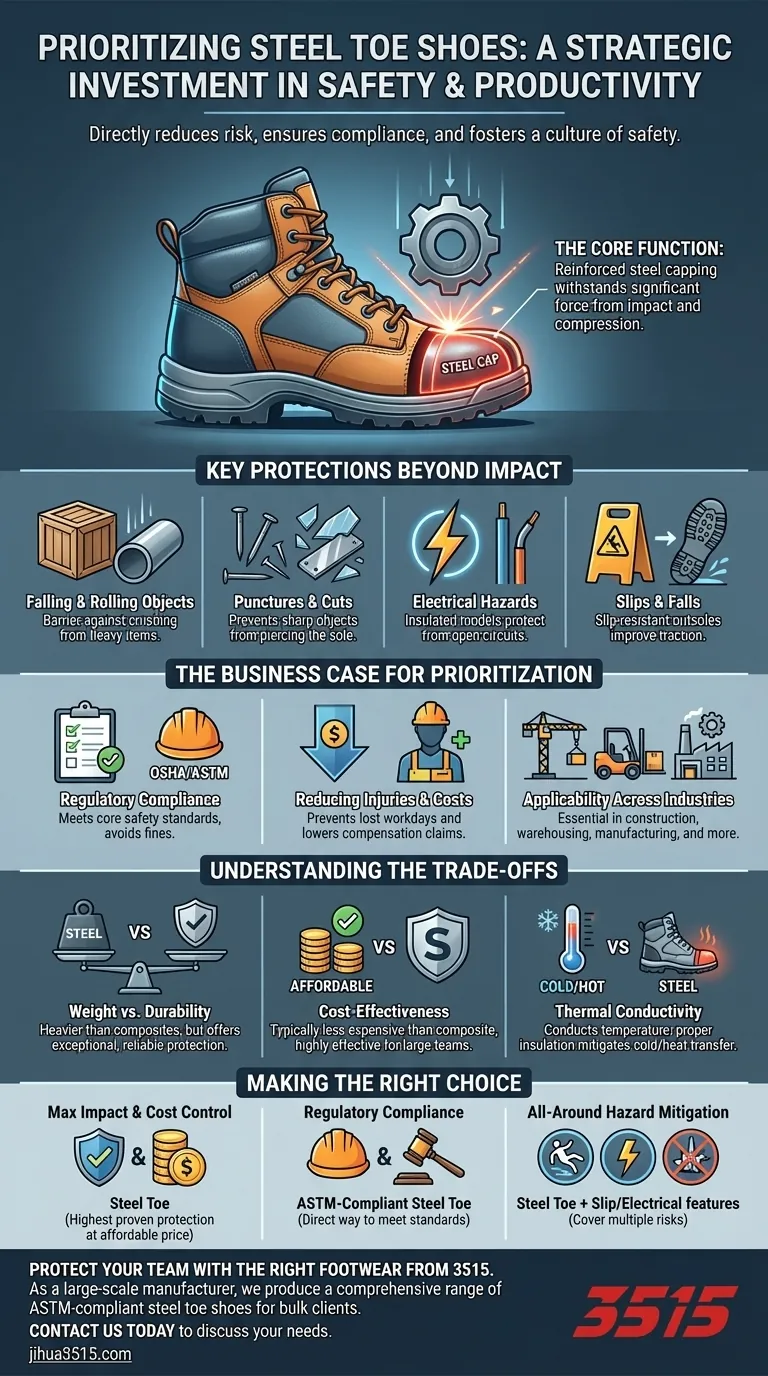
Visual Guide
Related Products
- Durable Steel Toe Safety Boots Wholesale & Custom Manufacturing
- Wholesale Mesh Steel Toe Safety Shoes with Dial Closure Factory Production
- Wholesale Safety Footwear Manufacturer for Bulk & Custom OEM Orders
- Durable Leather Safety Boots for Wholesale & Custom OEM Manufacturing
- Premium Wheat Nubuck Safety Shoes for Bulk Distribution
People Also Ask
- Why are industrial safety boots with steel toes necessary for machine operators? Essential Foot Protection for Safety
- Why is it mandatory to wear safety shoes with steel toe protection during metal loading? Prevent Crushing Injuries
- What are the main materials used in steel toe safety shoes? A Guide to Protective Footwear Construction
- What are the characteristics of steel toe safety boots? Maximum Protection, Key Trade-offs
- Is it true that steel toes can cause toes to get cut off? Debunking the Dangerous Myth