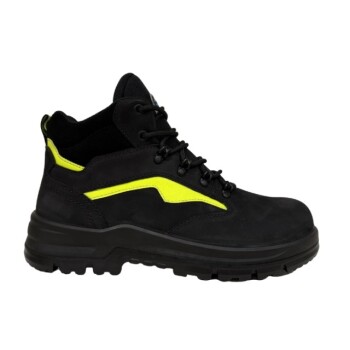
In short, a manufacturer's warranty is a critical indicator of quality and a safeguard for your investment. It serves as a direct guarantee against defects in materials and workmanship, signaling the manufacturer's confidence that their product can withstand demanding work environments. A strong warranty ensures you are purchasing boots built for durability and performance.
A work boot's warranty is more than just a repair policy; it is a key specification that reflects the product's underlying quality, expected lifespan, and the manufacturer's commitment to standing behind their craftsmanship.
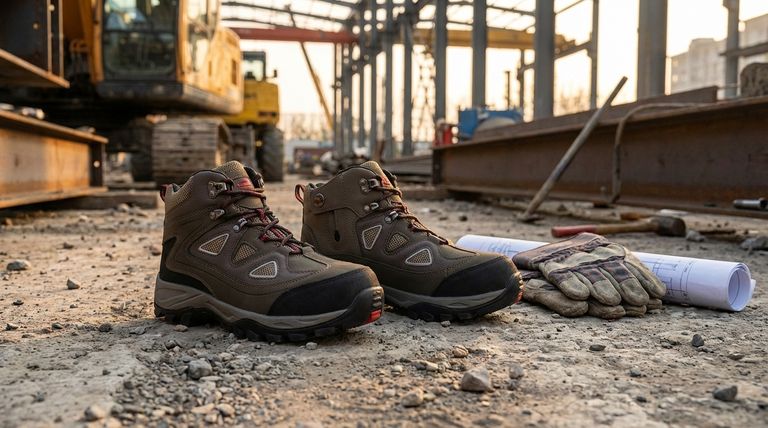
What a Warranty Truly Represents
A warranty provides insight into the boot's construction long before you ever wear it on a job site. It is a foundational element of the product's value proposition.
A Signal of Confidence
A company offering a comprehensive warranty (typically six months to a year) is confident in its product. They have invested in the materials and assembly processes required to build a boot that lasts.
This confidence means they are willing to assume the financial risk of potential defects, betting that the vast majority of their boots will perform as designed.
A Commitment to Quality
Warranties almost always cover defects in materials and workmanship. This includes issues like failed stitching, eyelet failure, or sole separation that occurs under normal use.
A manufacturer willing to guarantee these components is signaling they use superior leather, durable soles, and robust construction techniques.
Protection for Your Investment
Quality work boots are a significant expense. A warranty protects that investment by ensuring you won't be responsible for the cost of replacing a boot that fails due to a manufacturing flaw.
This turns a simple purchase into a more secure, long-term investment in your safety and comfort on the job.
Understanding the Common Pitfalls
While essential, not all warranties are created equal, and it's crucial to understand their limitations to avoid common misconceptions.
Warranty vs. Wear and Tear
A warranty is not an insurance policy against normal use. It will not cover the expected breakdown of materials over time, such as worn-down soles, scuffs, or holes from abrasion.
It specifically targets premature failure caused by a flaw in how the boot was made, not how it was used.
It Doesn't Cover Misuse
Damage resulting from improper care, accidents, or using the boot for activities it wasn't designed for will void a warranty.
This includes things like chemical spills, extreme heat exposure, or failure to clean and condition the leather.
Comfort is Not a Defect
Most standard manufacturer warranties do not cover fit or comfort. A boot that is the wrong size or simply doesn't feel right on your foot is not considered defective.
Some retailers may offer separate "comfort guarantees," but this is a distinct policy from the manufacturer's defect warranty.
Making the Right Choice for Your Goal
Use the warranty as a key decision-making tool when comparing different work boots.
- If your primary focus is maximum long-term value: Prioritize boots with a 1-year warranty, as this is a strong indicator of premium materials and construction intended to last.
- If your primary focus is assurance against immediate failure: A 6-month warranty provides a solid safety net and is a good standard for quality mid-range boots.
- If you work in harsh, specialized environments: Carefully read the warranty's fine print to ensure it doesn't have exclusions related to your specific job's demands (e.g., exposure to certain chemicals or liquids).
Ultimately, treating the warranty as a core feature of the boot, just like its safety toe or sole material, empowers you to make a smarter investment in your daily safety and performance.
Summary Table:
| Warranty Aspect | What It Means for You |
|---|---|
| Signal of Confidence | Manufacturer stands behind their product's materials and construction. |
| Quality Commitment | Covers defects in materials (e.g., leather) and workmanship (e.g., stitching). |
| Investment Protection | Safeguards your purchase against premature failure, not normal wear and tear. |
| Key Limitation | Does not cover fit, comfort, or damage from misuse or accidents. |
Invest in work boots built to last. As a large-scale manufacturer, 3515 produces a comprehensive range of durable footwear for distributors, brand owners, and bulk clients. Our robust production capabilities ensure every pair meets the highest standards, backed by our commitment to quality. Contact us today to discuss your work boot needs and discover how we can deliver reliable, high-performance footwear for your market.
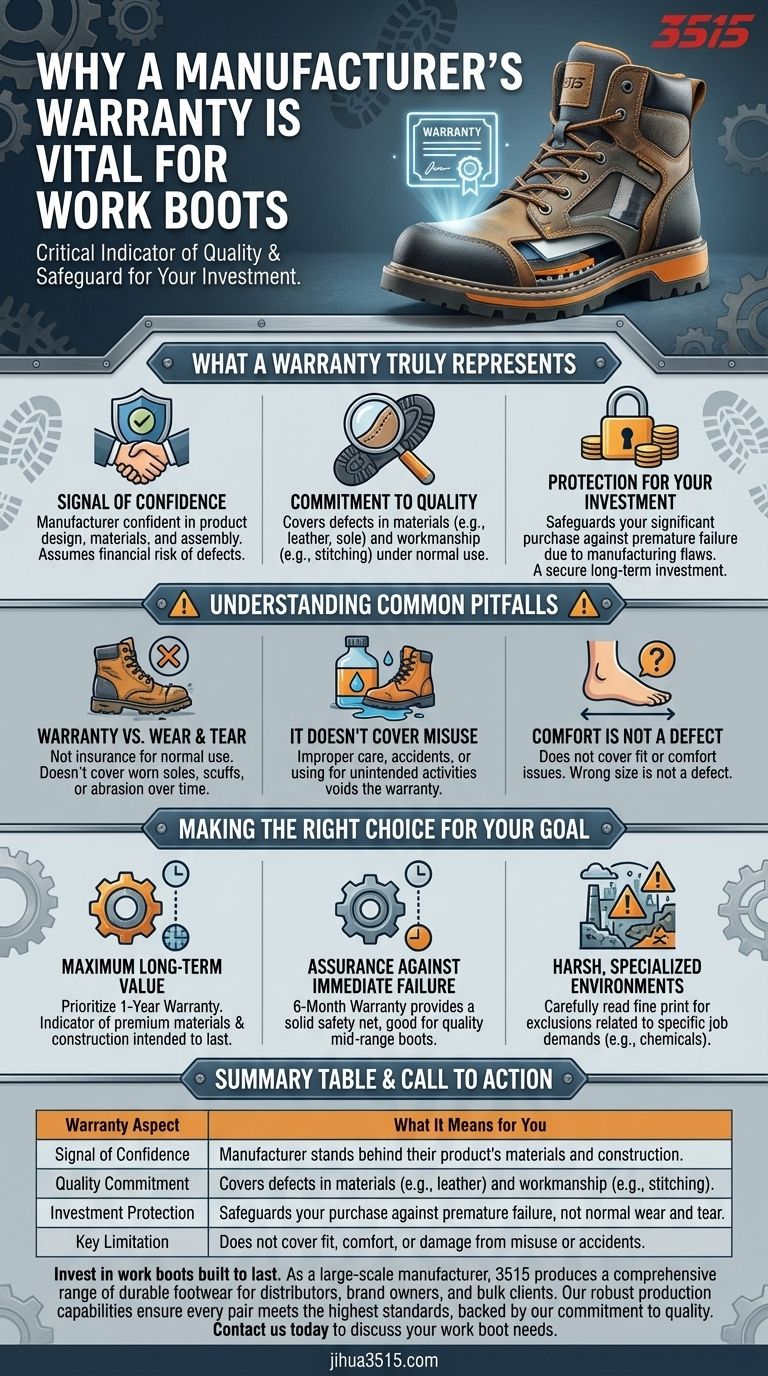
Visual Guide
Related Products
- Durable Leather Work Boots for Wholesale & Custom Manufacturing
- Durable Leather Work Boots for Wholesale & Custom OEM Manufacturing
- Durable Leather Work Boots Wholesale Manufacturer & Custom Factory
- Durable Leather Moc Toe Work Boots for Wholesale & Custom Manufacturing
- Wholesale Leather Work Boots with Customizable Wedge Sole for Brands
People Also Ask
- What is the difference between full-grain and top-grain leather? Premium Material Guide for Boot Manufacturers
- What are the common workplace hazards that can be mitigated with the right work boots? Protect Your Workforce
- What are the common foot issues workers face due to uncomfortable work boots? Prevent Pain & Deformities
- What are the advantages of leather versus synthetic work boots? A Guide to Choosing the Right Material
- What are the key components of modern work boots? Engineered for Ultimate Durability and Comfort