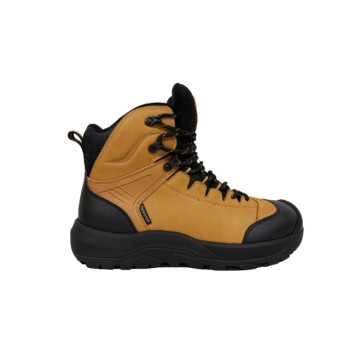
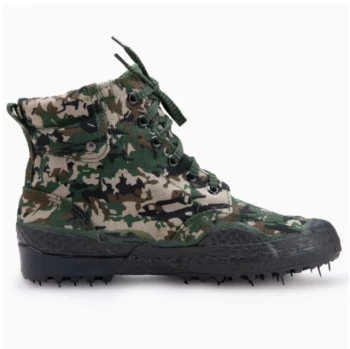
High-performance extreme cold outdoor boots are a non-negotiable safety requirement because polar dog sledding environments subject personnel to temperatures ranging from -25°C to -41°C. Unlike high-output activities, sledding often involves long periods of static or low-intensity movement, necessitating footwear with superior thermal retention, waterproofing, and specialized anti-slip traction to prevent freezing injuries and falls.
In polar operations, the lack of vigorous physical movement makes the body highly susceptible to rapid heat loss. Specialized footwear functions as essential Personal Protective Equipment (PPE), providing the necessary physical barrier against extreme cold while ensuring stability on treacherous ice surfaces.
Combating Hypothermia and Heat Loss
The Challenge of Static Activity
One of the distinct risks in dog sledding is the lack of continuous, high-intensity body movement. Operators and participants frequently remain static or engage in low-intensity movement, meaning their bodies do not generate significant internal heat.
Without the metabolic heat production typical of hiking or running, standard footwear fails rapidly. High-performance boots compensate for this by acting as a primary heat preservation system.
Critical Thermal Retention
To survive temperatures that drop as low as -41°C, boots must provide a substantial physical insulation layer.
This insulation is designed to trap warm air around the foot and prevent the intrusion of the external freeze. It transforms the boot from a simple covering into a life-preserving thermal vessel.
Ensuring Stability on Hazardous Terrain
Advanced Traction for Mixed Surfaces
Polar environments are rarely uniform; they consist of mixed ice and snow surfaces that change texture constantly.
Boots designed for this environment feature professional anti-slip outsoles. While standard hiking boots offer general traction, polar boots utilize specialized compounds and tread patterns to bite into hard-packed ice, preventing catastrophic slips.
The Necessity of Waterproofing
Thermal retention is rendered useless if moisture penetrates the boot.
High-performance boots integrate waterproof properties to ensure that melting snow or slush does not reach the skin. Keeping the foot dry is the first line of defense against frostbite.
Operational Trade-offs and Considerations
Sensitivity vs. Insulation
There is an inherent trade-off between warmth and tactile feedback.
While general outdoor hiking boots prioritize proprioception (feeling the ground) for agility, polar boots prioritize thickness and insulation. Users may experience reduced ground feel, which requires an adjustment in how they walk to maintain balance.
Weight vs. Protection
To achieve the necessary thermal ratings, extreme cold boots are often heavier and bulkier than standard athletic footwear.
This added weight provides ankle support and foot protection but can lead to fatigue over long distances if the user attempts to walk briskly rather than ride or stand.
Making the Right Choice for Your Goal
When selecting footwear for extreme environments, your role in the operation dictates your gear choice.
- If your primary focus is Passive Safety (Sled Riding/Operating): Prioritize maximum insulation ratings and waterproof capabilities to counteract the lack of metabolic heat generation.
- If your primary focus is Active Mobility (Camp Setup/Logistics): Look for a balance of insulation and aggressive tread to ensure stability on uneven surfaces while reducing fatigue.
High-performance boots are not just accessories; they are the foundation of survival in polar climates.
Summary Table:
| Requirement | Boot Feature / Benefit | Impact on Personnel Safety & Performance |
|---|---|---|
| Extreme Cold | Critical Thermal Retention | Prevents Hypothermia & Frostbite in -41°C |
| Static Activity | Primary Heat Preservation | Compensates for lack of metabolic heat |
| Mixed Ice/Snow | Advanced Anti-Slip Outsoles | Ensures stability, prevents catastrophic slips |
| Moisture/Slush | Integrated Waterproofing | Keeps feet dry, first line of defense |
| Operational Needs | Ankle Support & Foot Protection | Reduces fatigue, enhances safety despite weight |
As a large-scale manufacturer serving distributors and brand owners, 3515 offers comprehensive production capabilities for all footwear types, anchored by our flagship Safety Shoes series. Our extensive portfolio covers work and tactical boots, outdoor shoes, training shoes, and sneakers, as well as Dress & Formal shoes to meet diverse bulk requirements.
Ensure your personnel and customers are equipped with the highest quality, high-performance footwear built for the most extreme conditions. Partner with us to deliver unparalleled safety, durability, and comfort.
Contact us today to discuss your bulk manufacturing needs and elevate your product offerings!
References
- Robert O. Nilsson, O. Cenk Demiroglu. Impacts of climate change on dogsledding recreation and tourism in Arctic Sweden. DOI: 10.1007/s00484-023-02542-z
This article is also based on technical information from 3515 Knowledge Base .
Related Products
- Premium Insulated Safety Boots and Shoes for Wholesale & Bulk Orders
- Wholesale Waterproof Tactical Boots Custom Suede & High-Traction Soles
- Wholesale Lightweight Tactical Boots Custom Manufacturer for Desert & Combat Use
- Durable Spiked Camouflage Boots Wholesale & Factory Production
- High Performance Fire-Retardant Waterproof Safety Boots
People Also Ask
- What are the recommended insulation ratings for mild winter conditions? A Guide for Active & Stationary Workers
- How does insulation thickness correlate with temperature ranges? A Guide to Choosing the Right Warmth
- What insulation level is needed for severe cold and stationary work? 1200g or Higher is Essential
- What safety advantages do insulated boots offer beyond warmth? Dielectric Protection & Superior Grip
- How does fleece lining contribute to the warmth of insulated boots? Trapping Air for Superior Cold Protection