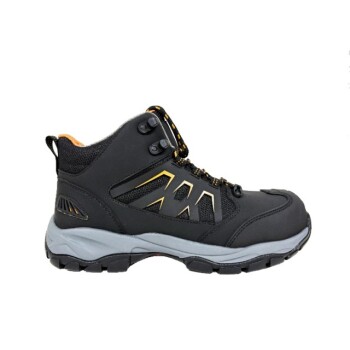
The inadequacy of standard work or hiking boots in high-speed environments stems from their inability to withstand the unique mechanical stresses of a motorcycle accident. While these boots are built for vertical support and durability on the ground, they lack the specialized lateral rigidity, impact-absorbing armor, and high-velocity abrasion resistance required to protect a rider during a slide or collision.
Core Takeaway: Standard footwear is designed for pedestrian utility and vertical weight-bearing, whereas motorcycle-specific boots are engineered as safety equipment to mitigate high-energy friction and crushing forces. For distributors and brand owners, providing certified gear is the only way to ensure compliance with international safety standards like EN13634:2017.
Critical Structural Deficiencies in Standard Footwear
The Absence of Lateral Ankle Rigidity
Standard work and hiking boots are designed for flexibility to facilitate walking and climbing. In a motorcycle accident, this flexibility becomes a liability, as it offers no protection against the crushing forces of a fallen bike or the twisting motions that cause complex fractures.
Specialized motorcycle boots utilize internal bracing or rigid inserts to prevent the ankle from bending beyond its physiological limits. This structural integrity is a hallmark of premium manufacturing, often requiring precision molding and high-tech assembly lines.
Inadequate Abrasion Resistance on Asphalt
Asphalt acts as a high-grit abrasive during a slide, generating heat and friction that can shred standard leather in seconds. Hiking boots often use lightweight materials or nylon mesh that provide breathability but offer zero protection against "road rash."
Professional-grade motorcycle boots utilize reinforced, high-denier leathers and synthetic composites specifically tested for slide duration. Maintaining a consistent supply of these specialized materials is a key differentiator for established manufacturers with robust supply chains.
Lack of Specialized Impact Absorption
Standard boots may feature a steel toe, but they rarely include the D3O or TPU armor needed to protect the malleolus (ankle bone), heel, and shin. These impact zones are the most likely to strike the pavement or the vehicle during an incident.
To meet international certification standards, manufacturers must integrate these materials into the boot's architecture without compromising ergonomics. This requires sophisticated R&D and state-of-the-art production equipment that has been refined over decades.
Functional Limitations and Operational Risk
Control Precision and Grip
Motorcycling requires nuanced foot movements for shifting and braking, often in wet or oily conditions. Standard work boots often have bulky soles that reduce tactile feedback, making it difficult for the rider to feel the controls.
Motorcycle-specific soles are engineered with chemical-resistant compounds and "zone-specific" grip patterns. These ensure the foot remains planted on the pegs while providing the necessary slip resistance when stopped at intersections.
The Importance of Reinforced Shift Pads
The repetitive motion of shifting gears can quickly wear through the upper layer of a standard boot. Motorcycle boots feature reinforced shift pads that prevent premature wear and provide a consistent contact point for the lever.
For wholesalers and distributors, this longevity is a major selling point. It demonstrates a product designed for the specific rigors of the "riding life," backed by a heritage of quality that dates back to the industry's early foundations in 1951.
Understanding the Trade-offs
Comfort vs. Protection
The most common pitfall for riders is choosing comfort over safety. Standard boots are easier to walk in because they lack the rigid protective "exoskeleton" of a motorcycle boot, leading to a false sense of security.
Certification vs. "Heavy Duty" Labels
Many distributors mistakenly believe that "heavy duty" work boots are a viable substitute for safety-rated gear. However, without the EN13634:2017 certification, a boot has not been tested for transverse rigidity or longitudinal abrasion, exposing the brand owner to significant liability.
How to Scale Your Safety Footwear Portfolio
Providing high-performance motorcycle footwear requires a manufacturing partner that understands the intersection of safety science and large-scale production.
- If your primary focus is Market Compliance: Ensure your manufacturer provides full documentation for international certifications, including Level 1 and Level 2 CE ratings.
- If your primary focus is Brand Longevity: Partner with an OEM/ODM specialist that offers a rich heritage and a proven track record of supply chain stability since the mid-20th century.
- If your primary focus is Technical Differentiation: Look for production facilities utilizing state-of-the-art equipment capable of integrating advanced materials like TPU, D3O, and high-tenacity synthetics.
By prioritizing purpose-built engineering over general-purpose utility, you protect both the end-user and your enterprise reputation.
Summary Table:
| Feature | Standard Work/Hiking Boots | Specialized Motorcycle Boots |
|---|---|---|
| Lateral Rigidity | Flexible for walking; high crush risk | Rigid internal bracing; prevents fractures |
| Abrasion Resistance | Low; materials shred quickly on asphalt | High; reinforced leather & synthetic composites |
| Impact Protection | Usually none or steel toe only | Integrated D3O/TPU armor for ankles/shins |
| Control Tactility | Bulky soles; limited pedal feedback | Slim, zone-specific grip for shifting/braking |
| Certification | No high-velocity safety rating | EN13634:2017 certified for riding safety |
Elevate Your Product Line with 3515 Manufacturing Excellence
As a large-scale manufacturer serving distributors and brand owners, 3515 offers comprehensive production capabilities for all footwear types, anchored by our flagship Safety Shoes series. Since 1951, we have combined a rich heritage with state-of-the-art equipment to deliver premium OEM/ODM services that meet the highest international safety standards, including EN13634.
Our extensive portfolio covers work and tactical boots, outdoor shoes, training shoes, and sneakers, as well as Dress & Formal shoes to meet diverse bulk requirements. Partner with us to leverage our massive production scale, robust supply chain stability, and consistent large-volume delivery.
Ready to scale your brand with a trusted manufacturing partner? Contact us today to discuss your bulk requirements.
Related Products
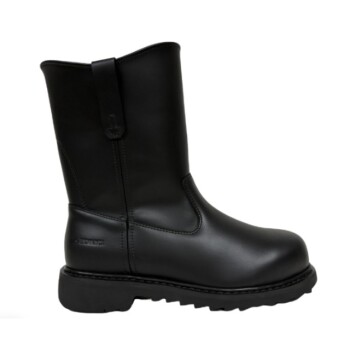
- Heavy-Duty Goodyear Welted Pull-On Safety Rigger Boot
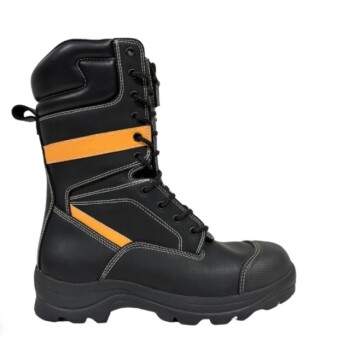
- High Performance Fire-Retardant Waterproof Safety Boots
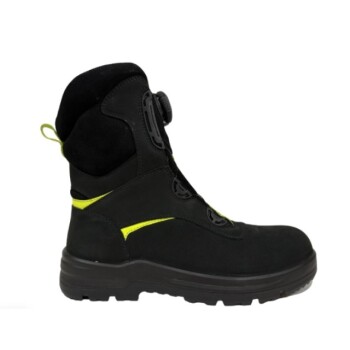
- Premium High-Cut Waterproof Safety Boots Manufacturing & Wholesale Solutions
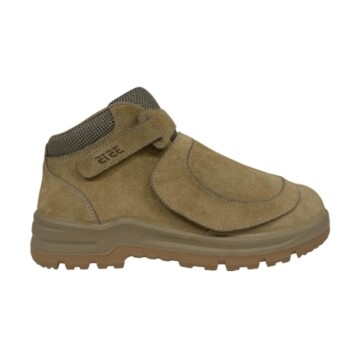
- Heavy-Duty Waterproof Nubuck Safety Boots Safety Shoes for Bulk Supply
- Premium Flame-Retardant Waterproof Safety Boots and Shoes
People Also Ask
- What are the key elements of quality boot construction? Ensure Longevity & Performance
- Are Goodyear welted boots worth it? The Ultimate Guide to Lifelong Footwear
- What is a Goodyear welt on a boot? The Secret to Durable, Repairable Footwear
- What makes Goodyear Welt boots suitable for harsh environments? Unmatched Durability & Repairability
- What additional high-quality materials are used in Goodyear Welt boots? A Guide to Advanced Components