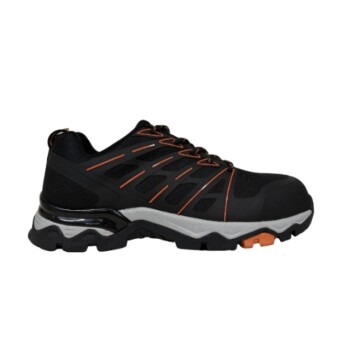
Specific outsole textures and slip resistance serve as the primary line of defense against falling accidents in physical training environments. In community-based activities, where ground conditions can be unpredictable or uneven, these design elements provide the necessary grip and stability to prevent slips and trips. This makes the outsole not just a feature of performance, but a fundamental physical safeguard for participant safety.
Core Insight: While comfort is often the visible priority, the engineering of the outsole acts as the critical interface between the athlete and the environment. Proper texturing and slip resistance mitigate the risks posed by poor ground conditions, directly preventing injuries and enabling long-term participation, particularly among vulnerable populations like the elderly.
The Mechanics of Fall Prevention
Counteracting Environmental Hazards
Community-based physical activities often take place in environments that lack the controlled perfection of a professional gym.
Participants frequently encounter poor ground conditions, including uneven pavement, slick multipurpose courts, or outdoor terrain.
Specific outsole textures are engineered to bite into these imperfections, creating friction where a flat sole would slide.
Protecting Vulnerable Populations
The stakes of stability are significantly higher for elderly populations participating in community wellness programs.
For this demographic, a slip or trip is not merely an inconvenience but a significant health risk.
Safety-oriented sneakers utilize slip-resistant designs to compensate for potential declines in balance, acting as an essential preventative measure against falls.
The Function of Tread Patterns
The specific "texture" of a shoe refers to its tread pattern, which functions similarly to the tires on a vehicle.
Deep tread patterns and durable rubber compounds are designed to channel water, debris, or oil away from the contact point.
By clearing these contaminants, the outsole ensures that the shoe maintains direct contact with the ground, thereby maximizing traction.
The Broader Impact on Physical Activity
Overcoming Barriers to Participation
Fear of injury is a major psychological barrier to maintaining an exercise routine.
When footwear provides physical protection and reliable stability, it alleviates the anxiety associated with moving on difficult surfaces.
This sense of security helps overcome hesitation, encouraging consistent, long-term participation in health-promoting activities.
Structural Stability and Support
Slip resistance is closely tied to the overall structural integrity of the shoe.
A training shoe designed for safety offers a stable platform that mitigates impact forces generated during movement.
This combination of grip and cushioning protects joints from the jarring effects of slips or sudden corrections, further reducing the risk of sports-related injuries.
Understanding the Trade-offs
Specificity vs. Versatility
Not all slip-resistant textures work on all surfaces. A deep lug pattern designed for outdoor mud may actually reduce surface contact—and therefore grip—on a smooth, wet tile floor.
Weight vs. Protection
Outsoles built with aggressive traction and durable, slip-resistant rubber often add weight to the shoe.
For some users, particularly the elderly or those with limited mobility, this added weight can increase fatigue over long durations, potentially leading to tripping hazards caused by dragging feet.
Traction vs. Pivot Ability
In certain sports contexts, too much grip can be detrimental. If an outsole locks onto the surface too aggressively during a twisting motion, the force may be transferred to the knee or ankle, causing ligament strain.
Making the Right Choice for Your Goal
Selecting the correct footwear requires matching the outsole technology to the specific environment of the activity.
- If your primary focus is outdoor community walking: Look for deep, aggressive tread patterns that can channel away dirt and debris to maintain traction on uneven ground.
- If your primary focus is indoor court stability: Prioritize flatter, high-friction rubber textures that maximize surface contact area on smooth, dry floors.
- If your primary focus is fall prevention for the elderly: Choose shoes with a wide base and certified slip-resistant soles to maximize balance and reduce the margin for error on poor surfaces.
The right footwear transforms the ground from a hazard into a reliable foundation for movement.
Summary Table:
| Feature | Function | Primary Benefit |
|---|---|---|
| Deep Tread Patterns | Channels water, debris, and oil away | Maintains direct ground contact on uneven surfaces |
| High-Friction Rubber | Increases grip on smooth surfaces | Prevents slips on indoor courts and tiles |
| Wide Sole Base | Enhances structural platform | Improves balance for elderly and vulnerable users |
| Slip-Resistant Lugs | Bites into imperfections in terrain | Mitigates risks of trips on outdoor pavement |
| Impact Cushioning | Absorbs movement forces | Protects joints from jarring during sudden stops |
Secure Your Fleet with Industry-Leading Safety Footwear
As a large-scale manufacturer serving distributors and brand owners, 3515 offers comprehensive production capabilities for all footwear types. Our flagship Safety Shoes series is engineered with advanced outsole textures to ensure maximum slip resistance and participant safety in any environment.
Whether you need tactical boots, outdoor training shoes, or high-performance sneakers, we provide bulk manufacturing solutions tailored to your brand's specifications. Partner with us to deliver footwear that transforms hazardous ground into a stable foundation for movement.
Contact 3515 Today for Custom Manufacturing Solutions
References
- Akihiro Hirata, Takeshi Hashimoto. Assessment of adverse events and near misses during voluntary community-driven sports activities by community residents: a cross-sectional study. DOI: 10.7600/jpfsm.13.19
This article is also based on technical information from 3515 Knowledge Base .
Related Products
- Premium Suede Sport Safety Shoes for Wholesale & Bulk Orders
- Premium KPU Injection Athletic Style Safety Shoes
- Advanced KPU Athletic Safety Shoe with Steel Toe Cap Anti-Slip Rotary Lacing System
- Premium KPU Athletic Safety Shoes for Wholesale
- Premium Lightweight Safety Shoes for Wholesale & Bulk Orders
People Also Ask
- What industries have specific OSHA footwear requirements? Ensure Compliance & Protect Your Workforce
- What are the primary functions of professional safety shoes? Maximize Safety in Water Supply Confined Spaces
- What role do specialized safety shoes play in preventing falls? Engineering Stability in Industrial Environments
- Why is barefoot walking used as a baseline in gait safety research? Unlocking Natural Biomechanics for Shoe Design
- How do complex outsole tread designs in safety shoes work with coated floors? Master Slip Resistance Engineering