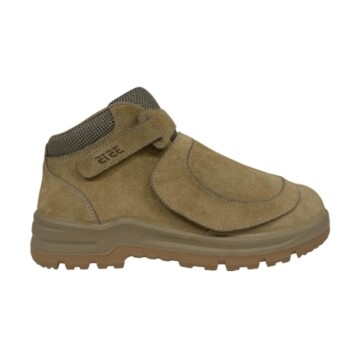
Professional-grade safety boots are superior for pesticide application because they create an impermeable physical barrier against toxic chemicals, whereas standard athletic shoes can actively endanger the wearer. While athletic footwear is designed for breathability using porous mesh, safety boots utilize polymeric materials to block droplets and prevent the absorption of hazardous residues.
While athletic shoes prioritize ventilation and lightweight comfort, this design is fundamentally dangerous for chemical handling. The core distinction is that safety boots act as a shield against dermal absorption and physical injury, while athletic shoes function as a sponge for toxic agents.
The Critical Factor: Chemical Defense
The Barrier Function
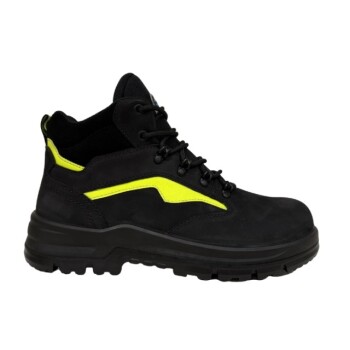
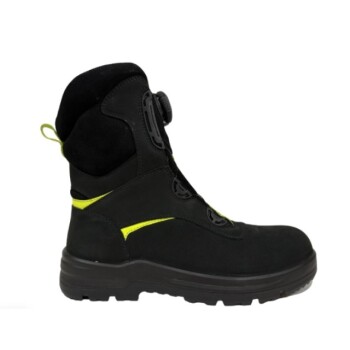
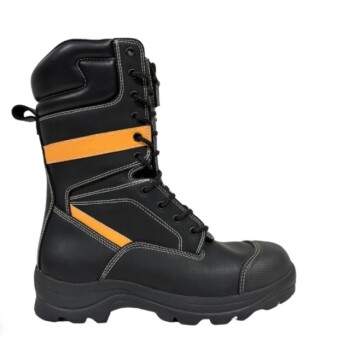
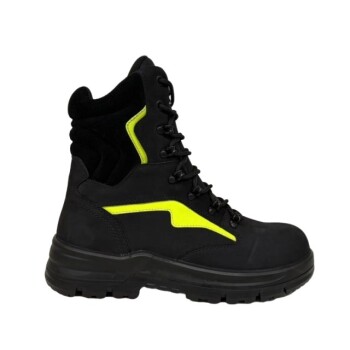
Professional safety boots are constructed from impermeable polymeric materials.
This construction provides a robust physical barrier between the environment and your skin. It prevents pesticide droplets, splashes, or residues on treated crops from penetrating the footwear and reaching your feet.
The Dangers of Breathability
Standard athletic shoes generally feature mesh or textile fabrics designed to maximize airflow.
In a chemical environment, this is a liability. These materials absorb and retain liquid pesticide residues. This creates prolonged skin contact and significantly increases the risk of dermal absorption, essentially holding the toxin against your skin.
Stability and Physical Integrity
Navigating Wet and Muddy Terrain
Agricultural environments are frequently wet, muddy, or uneven.
Safety boots incorporate specialized slip-resistant outsoles. This ensures stability and prevents falls in conditions where standard athletic treads would clog or lose traction.
Advanced Traction and Joint Protection
High-quality professional boots use advanced high-grip materials and integrated anti-torsion plates.
These components are engineered to balance slip resistance with release force. This prevents the sole from "locking" onto the ground during sudden turns, minimizing torque and protecting ankle ligaments from overextension.
Protection Against Debris
Beyond chemicals, the agricultural floor often conceals sharp hazards.
Professional footwear frequently includes puncture-resistant midsoles. This prevents sharp debris, thorns, or nails from piercing the sole, a protection completely absent in the soft foam soles of athletic shoes.
Understanding the Trade-offs
Comfort vs. Safety
The primary downside to professional safety boots is often weight and reduced breathability compared to sneakers.
Because the material must be impermeable to stop chemicals, it also traps heat and moisture from the foot. This can lead to discomfort during long shifts.
Fatigue Management
However, the structural design of safety boots often mitigates this fatigue in other ways.
Enhanced ankle support and rigid structures help alleviate foot fatigue and reduce cumulative injuries during heavy labor. Athletic shoes lack the structural integrity to support the foot during long-term, load-bearing tasks on uneven ground.
Making the Right Choice for Your Goal
When selecting footwear for agricultural work, align your choice with your specific risk profile.
- If your primary focus is Chemical Safety: Prioritize boots made of polymeric materials to ensure a 100% impermeable barrier against dermal absorption.
- If your primary focus is Terrain Stability: Look for boots with anti-torsion plates and engineered release force to prevent ankle sprains on mud or uneven ground.
- If your primary focus is Physical Hazard Protection: Ensure the footwear includes puncture-resistant midsoles to guard against sharp debris.
Ultimately, protecting your long-term health requires prioritizing an impenetrable barrier over the short-term comfort of breathable mesh.
Summary Table:
| Feature | Professional Safety Boots | Standard Athletic Shoes |
|---|---|---|
| Material | Impermeable Polymeric (Shield) | Porous Mesh/Textile (Sponge) |
| Chemical Defense | Blocks droplets and residues | Absorbs and retains toxins |
| Traction | Slip-resistant for mud/wet terrain | Clogs easily; lose traction |
| Ankle Safety | Anti-torsion plates for stability | Low structural integrity |
| Puncture Protection | Puncture-resistant midsoles | None (soft foam soles) |
Secure Your Workforce with Professional-Grade Protection
Don't compromise on safety when handling hazardous chemicals. As a large-scale manufacturer serving distributors and brand owners, 3515 offers comprehensive production capabilities for all footwear types. Our flagship Safety Shoes series is specifically engineered to provide an impenetrable barrier against toxins while ensuring stability on difficult agricultural terrain.
From tactical and work boots to specialized sneakers and dress shoes, we provide high-volume solutions tailored to your specific safety requirements. Contact us today to discuss your bulk manufacturing needs and let 3515 help you deliver superior protection and durability to your customers.
References
- Roba Argaw Tessema, Balázs Ádám. Occupational and environmental pesticide exposure and associated health risks among pesticide applicators and non-applicator residents in rural Ethiopia. DOI: 10.3389/fpubh.2022.1017189
This article is also based on technical information from 3515 Knowledge Base .
Related Products
- Premium Wholesale Waterproof Safety Boots High Performance Protection for Industrial Markets
- High Performance Fire-Retardant Waterproof Safety Boots
- Wholesale Premium Waterproof Nubuck Safety Shoes Boots
- Premium High-Cut Waterproof Safety Boots Manufacturing & Wholesale Solutions
- Premium Flame-Retardant Waterproof Safety Boots and Shoes
People Also Ask
- What weather and chemical protections do premium boots offer? Your Complete Guide to Safety & Performance
- Why are waterproof safety boots recommended for certain work environments? Essential Protection for Wet & Hazardous Jobs
- What are the primary protective functions of industrial safety boots in oil palm plantations? Master Rough Terrain Safety
- Why are oil-resistant and anti-slip properties critical for industrial safety boots? Expert Outsole Engineering Guide
- What are the best types of shoes for different gardening conditions? Find Your Perfect Match.