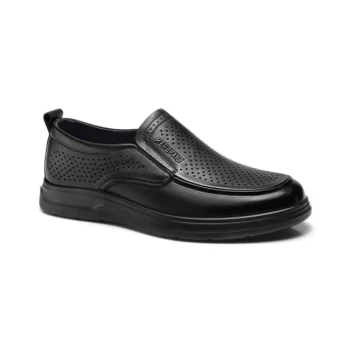
Ultimately, non-slip shoes are a critical safety investment because they are specifically engineered to provide superior traction on hazardous surfaces like wet, oily, or greasy floors. This design directly mitigates the risk of slips and falls, which are a leading cause of preventable injuries in many professional environments.
The term "non-slip" can be misleading; no shoe can eliminate all risk. The true value lies in their design as a slip-resistant system—combining specialized materials and tread patterns—that dramatically reduces the likelihood of an accident on compromised surfaces.
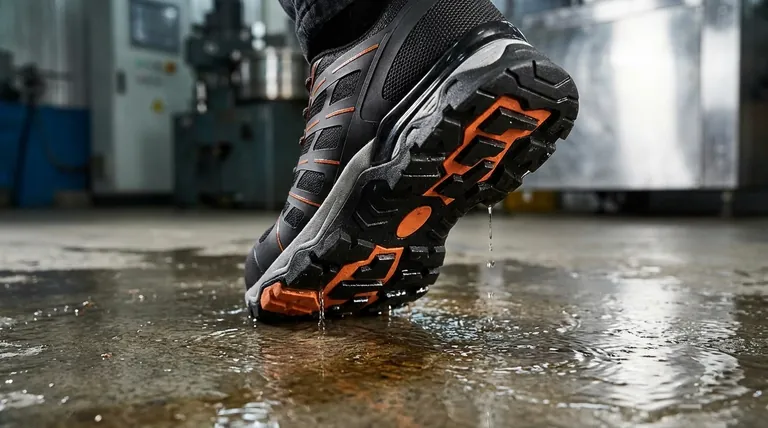
How Non-Slip Shoes Actually Work
The effectiveness of non-slip footwear isn't based on a single feature but on an engineered system designed to maximize friction and stability.
The Science of the Sole
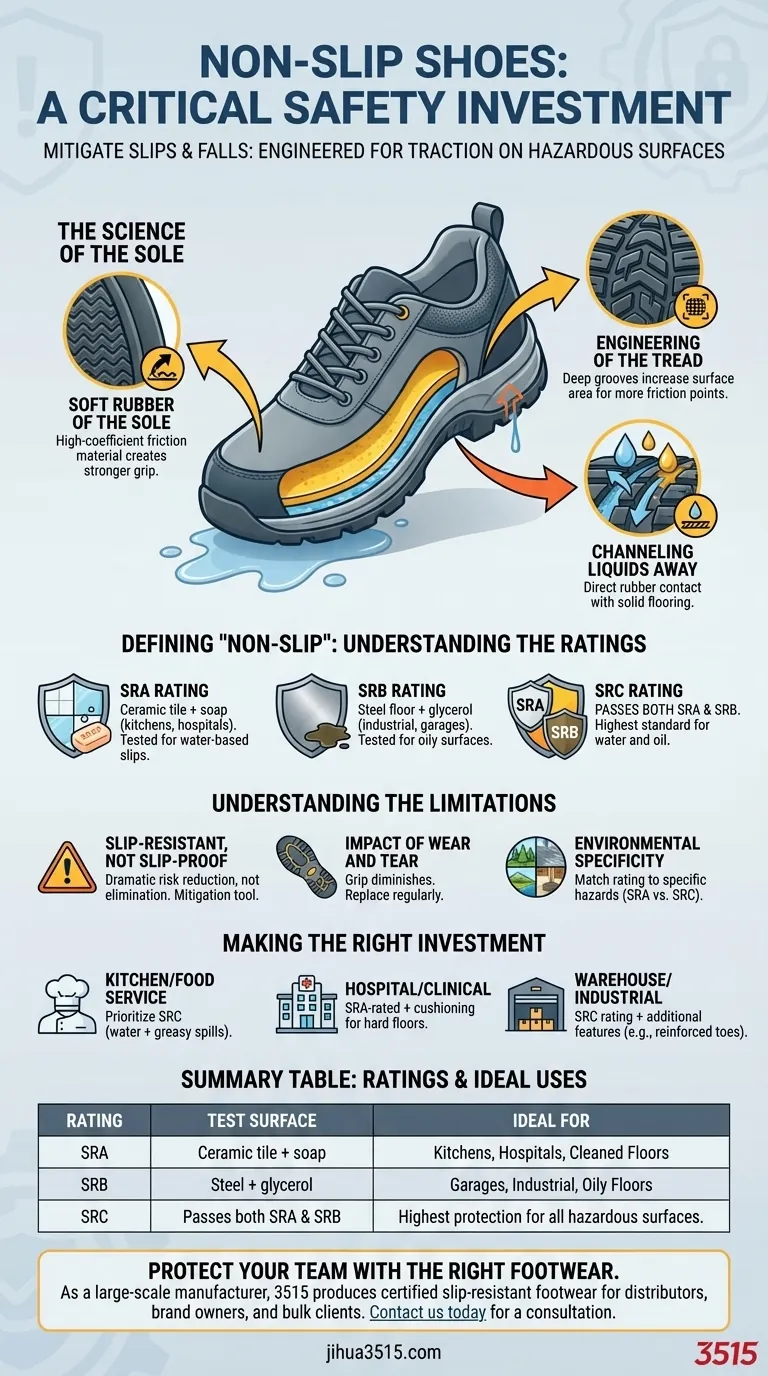
The outsole, or the bottom of the shoe, is made from high-quality soft rubber or a specialized synthetic compound. This material is chosen for its high coefficient of friction, which allows it to create a much stronger grip on the floor than standard shoe materials.
The Engineering of the Tread
Unlike the smooth or cosmetic patterns on fashion footwear, the outsoles of non-slip shoes feature deep grooves and intricate tread patterns. These patterns increase the surface area of the sole that makes contact with the ground, providing more points of friction to prevent a slip.
Channeling Liquids Away
A key function of the tread pattern is to channel liquids—like water, oil, or soap—out from underneath the shoe. This allows the rubber sole to make direct contact with the solid flooring surface, rather than hydroplaning on a thin layer of fluid, ensuring a secure grip.
Defining "Non-Slip": Understanding the Ratings
Reputable safety footwear is tested against standardized conditions to prove its effectiveness. These ratings help you move beyond marketing claims to certified performance.
SRA Rating
A shoe with an SRA rating has been tested for slip resistance on a ceramic tile floor wetted with a soap solution. This simulates conditions found in kitchens, hospitals, or building lobbies during cleaning.
SRB Rating
An SRB rating means the shoe was tested for slip resistance on a smooth steel floor covered with glycerol. This test mimics the slick, oily, or greasy surfaces common in industrial workshops, garages, and manufacturing facilities.
SRC Rating
The SRC rating is the highest standard for slip resistance. A shoe achieves this rating only after passing both the SRA and the SRB tests, proving its effectiveness on both water-based and oil-based slippery surfaces.
Understanding the Limitations
Trustworthy advice requires acknowledging the boundaries of the technology. Understanding the limitations of non-slip footwear is essential for maintaining a realistic safety culture.
"Slip-Resistant," Not "Slip-Proof"
The most important limitation is that these shoes are slip-resistant, not slip-proof. While they dramatically reduce risk, factors like extreme spills, worn-out treads, or user inattention can still lead to a fall. They are a tool for mitigation, not elimination.
The Impact of Wear and Tear
The effectiveness of a non-slip shoe is directly tied to the condition of its tread. As the sole wears down, its ability to grip and channel fluids diminishes significantly. These shoes should be considered a consumable piece of safety equipment that requires regular inspection and replacement.
Environmental Specificity
A shoe that excels in one environment may not be optimal in another. A shoe rated only for SRA might not provide adequate protection on the oily floors of a machine shop. Always match the shoe's rating to the specific hazards of your environment.
Making the Right Investment for Your Environment
Choosing the correct footwear depends entirely on the specific hazards you face.
- If your primary environment is a kitchen or food service area: Prioritize an SRC rating to ensure maximum grip on surfaces with both water and greasy spills.
- If you work in a hospital or clinical setting: An SRA-rated shoe with excellent cushioning for long shifts on hard, frequently cleaned floors is the ideal choice.
- If you operate in a warehouse or industrial site: Seek an SRC rating and consider additional safety features like reinforced toes or puncture-resistant soles to address other workplace hazards.
Selecting the right slip-resistant footwear is one of the most effective and proactive investments you can make in your personal safety and well-being.
Summary Table:
| Rating | Test Surface | Ideal For |
|---|---|---|
| SRA | Ceramic tile with soap solution | Kitchens, Hospitals, Cleaned Floors |
| SRB | Steel with glycerol | Garages, Industrial Workshops, Oily Floors |
| SRC | Passes both SRA & SRB tests | Highest protection for all hazardous surfaces |
Protect your team with the right footwear. As a large-scale manufacturer, 3515 produces a comprehensive range of certified slip-resistant footwear for distributors, brand owners, and bulk clients. Our production capabilities encompass all types of safety shoes and boots tailored to your specific industry hazards. Ensure your workforce is equipped with reliable, high-performance safety footwear—contact us today for a consultation and discover how we can support your safety goals.
Visual Guide
Related Products
- Advanced KPU Athletic Safety Shoe with Steel Toe Cap Anti-Slip Rotary Lacing System
- Premium Suede Sport Safety Shoes for Wholesale & Bulk Orders
- Durable High-Traction Canvas Sneakers Wholesale & Custom Manufacturing
- Durable Goodyear Welt Leather Work Boots for Wholesale & Private Label
- Heavy-Duty Waterproof Nubuck Safety Boots Safety Shoes for Bulk Supply
People Also Ask
- What are the key differences between steel toe and composite toe caps? Choose the Right Safety for Your Job
- What impact do steel toe caps have on toe skin health? Prevent Friction and Pressure in Your Safety Shoes
- What are the primary protective functions of safety shoes with steel toes in the automotive repair industry?
- What type of safety shoe is recommended for workers exposed to heavy machinery? Steel Toe Boots for Ultimate Protection
- How does defining specific friction interface models in FEA assist in predicting safety shoe toe cap failure modes?