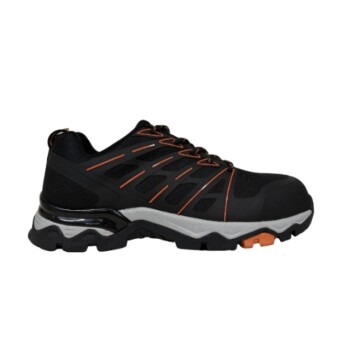
Ergonomic safety shoes are a critical necessity for printing factory workers because they directly counter the physical stress caused by lifting, transferring, and binding heavy paper stocks. By integrating high-density cushioning and specialized arch support, these shoes absorb operational impact and optimize weight distribution to prevent severe lower back pain and chronic musculoskeletal injuries.
The repetitive nature of handling paper loads creates a high risk for spinal compression and back injury. Ergonomic footwear acts as a primary defense mechanism, utilizing advanced midsole technology to stabilize the worker’s posture and dissipate physical stress before it affects the spine.
The Physical Demands of Printing Operations
The Risk of Prolonged Standing
Workers in printing and binding environments are often required to stand for the majority of their shifts.
This static posture places continuous pressure on the feet and legs. Without proper support, this stress travels upward, leading to significant discomfort and potential injury.
The Strain of Heavy Loads
Paper is deceptively heavy, and the processes of lifting and transferring it require substantial physical effort.
Engaging in these load-bearing tasks without proper foundation increases the likelihood of lower back pain. The spine bears the brunt of this weight if the feet are not properly supported.
How Ergonomic Footwear Mitigates Injury
Impact Absorption Technology
Professionally designed ergonomic shoes feature high-density cushioning midsoles.
These midsoles are engineered to effectively absorb the impact forces generated during movement and lifting. By dampening this shock, the shoes prevent the force from radiating up the skeletal structure.
Optimized Weight Distribution
A key feature of these safety shoes is specialized arch support technology.
This technology ensures that body weight is distributed evenly across the entire foot rather than being concentrated on specific pressure points. This balance is essential for reducing pressure on the spine during heavy lifting.
Understanding the Limitations
Shoes Are Not a "Cure-All"
While ergonomic shoes are effective at mitigating risks, they cannot entirely eliminate the dangers of improper lifting techniques.
They must be viewed as a critical component of a broader safety strategy, not a standalone solution for poor ergonomics in the workplace.
The Importance of Specific Fit
The benefits of arch support are dependent on the shoe matching the worker's foot structure.
If the specialized support does not align with the user's actual arch, the benefits of weight distribution may be compromised, rendering the safety features less effective.
Making the Right Choice for Your Goal
To maximize safety in a printing environment, select footwear based on the specific physical stressors your team faces.
- If your primary focus is reducing back pain: Prioritize shoes with high-density cushioning midsoles to maximize shock absorption during load-bearing tasks.
- If your primary focus is preventing fatigue from standing: Select footwear with specialized arch support to ensure even weight distribution and spinal alignment throughout the shift.
Providing the correct ergonomic foundation is the single most effective step toward preserving the long-term musculoskeletal health of your workforce.
Summary Table:
| Feature | Physical Benefit | Impact on Printing Workers |
|---|---|---|
| High-Density Cushioning | Absorbs operational shock | Protects the spine during heavy paper lifting |
| Specialized Arch Support | Optimizes weight distribution | Reduces fatigue from prolonged standing at presses |
| Ergonomic Midsole | Stabilizes posture | Prevents long-term musculoskeletal disorders (MSDs) |
| Shock Absorption | Dissipates impact forces | Minimizes joint strain during repetitive binding tasks |
Partner with 3515 for Superior Workplace Safety
As a large-scale manufacturer serving distributors and brand owners, 3515 offers comprehensive production capabilities for all footwear types, anchored by our flagship Safety Shoes series. We understand the specific ergonomic demands of the printing and industrial sectors, providing footwear that balances protection with long-term comfort.
Our extensive portfolio covers work and tactical boots, outdoor shoes, training shoes, and sneakers, as well as Dress & Formal shoes to meet diverse bulk requirements. By choosing 3515, you gain a partner dedicated to high-quality manufacturing and workforce health.
Ready to elevate your product line or protect your workforce? Contact us today to discuss your bulk requirements and custom manufacturing needs.
References
- Asmaa Ibrahim, Naglaa Saad Abd El Aty. Occupational Hazards and Self-Reported Health Problems among Photocopy and Printing Workers at Assiut University, Egypt. DOI: 10.15379/ijmst.v10i3.1699
This article is also based on technical information from 3515 Knowledge Base .
Related Products
- Premium Safety Shoes with Rotating Buckle Safety Sneakers
- Premium Lightweight Safety Shoes for Wholesale & Bulk Orders
- Premium Suede Sport Safety Shoes for Wholesale & Bulk Orders
- Advanced KPU Athletic Safety Shoe with Steel Toe Cap Anti-Slip Rotary Lacing System
- Customizable Slip-On Safety Shoes Direct from the Factory for Wholesale
People Also Ask
- How do I choose the best safety shoes? Match Certified Features to Your Hazards
- How Specialized Footwear Impacts Side-Cutting Performance and Injury Risk Assessment
- What happens during the cutting stage of safety shoes manufacturing? Precision, Process & Quality
- Why should ergonomics and comfort be prioritized when selecting safety shoes? Boost Compliance & Worker Health
- What are the primary functions of professional safety shoes? Maximize Safety in Water Supply Confined Spaces