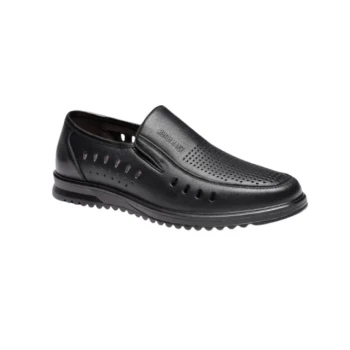
Customized decompression footwear and orthotics serve as the physical foundation for successful wound closure by redistributing mechanical stress and shear forces away from the ulcer site. While biological treatments like Peripheral Blood Mononuclear Cells (PBMNCs) stimulate tissue repair, this footwear provides the necessary protective environment to ensure delicate new granulation tissue is not destroyed by the physical trauma of daily movement.
Core Takeaway: Biological healing cannot occur in an environment of mechanical trauma. By neutralizing pressure and friction, customized offloading devices protect the repair process induced by PBMNCs, significantly improving limb salvage rates and preventing ulcer recurrence.
The Mechanics of Healing Protection
Redistributing Mechanical Stress
Diabetic foot ulcers frequently develop at points of peak pressure. Customized footwear is engineered to shift the body's weight away from these compromised areas. By modifying the load-bearing dynamics of the foot, the device prevents the direct crushing force that inhibits blood flow and tissue recovery.
Mitigating Shear Forces
Downward pressure is not the only threat; shear forces (friction created by sliding motions) can tear fragile healing tissue. Specialized orthotics act to stabilize the foot within the shoe. This stabilization minimizes horizontal movement, reducing the physical stress that pulls wound edges apart.
Synergy with Cellular Therapy
Protecting Granulation Tissue
Therapies using PBMNCs are designed to induce the growth of granulation tissue, which is the precursor to closed skin. This new tissue is highly vascular and extremely delicate. Without physical decompression, a single step can mechanically disrupt this new growth, effectively resetting the healing timeline.
Preventing Healing Interruptions
Consistent, uninterrupted biological repair is required for limb salvage. Mechanical damage causes inflammation and cell death that counteracts the benefits of PBMNC treatment. Decompression footwear acts as a shield, ensuring the biological process can complete its cycle without physical interference.
Understanding the Challenges
The Necessity of Precision
Generic, off-the-shelf footwear rarely provides adequate protection for complex diabetic wounds. Effective decompression requires customized biomechanical design tailored to the individual's specific foot anatomy and ulcer location. This necessitates a higher level of care and specialized fitting compared to standard treatment options.
Compliance is Critical
The protective benefits of these devices are absolute but temporary—they only work while being worn. The mechanical stress returns immediately upon removing the footwear. Therefore, the success of the therapy is heavily dependent on the patient's strict adherence to wearing the devices continuously during activity.
Optimizing Post-Treatment Care
To ensure the best outcomes when combining cellular therapy with mechanical offloading:
- If your primary focus is active wound closure: Ensure the footwear completely isolates the ulcer area to protect the new tissue generated by PBMNCs.
- If your primary focus is preventing recurrence: Utilize orthotics that permanently correct the biomechanical gait issues that caused the initial high-stress points.
The integration of advanced biological treatment with precise mechanical protection is the definitive standard for saving limbs and restoring mobility.
Summary Table:
| Feature | Mechanical Benefit | Therapeutic Impact |
|---|---|---|
| Pressure Redistribution | Shifting weight from ulcer sites | Prevents tissue crushing and restores blood flow |
| Shear Force Mitigation | Reducing horizontal sliding/friction | Protects fragile new granulation tissue from tearing |
| Biomechanical Stability | Correcting gait and foot alignment | Minimizes inflammation and prevents ulcer recurrence |
| Customized Design | Tailored to individual foot anatomy | Ensures precise offloading compared to generic shoes |
Partner with 3515 for Specialized Diabetic & Safety Footwear Solutions
As a large-scale manufacturer serving distributors and brand owners, 3515 offers comprehensive production capabilities for all footwear types. We understand that precision is vital in medical and safety applications. Our flagship Safety Shoes series is anchored by rigorous quality standards, and our extensive portfolio includes work and tactical boots, outdoor shoes, training shoes, sneakers, and Dress & Formal shoes.
Whether you need high-volume production for diabetic-friendly footwear or specialized safety boots, 3515 provides the manufacturing scale and technical expertise to meet your bulk requirements and protect your customers' health.
Ready to elevate your product line with a trusted manufacturing partner?
Contact Us Today to Discuss Your Bulk Requirements
References
- Benedetta Ragghianti, Matteo Monami. Autologous Peripheral Blood Mononuclear Cells in Patients with Small Artery Disease and Diabetic Foot Ulcers: Efficacy, Safety, and Economic Evaluation. DOI: 10.3390/jcm12124148
This article is also based on technical information from 3515 Knowledge Base .
Related Products
- Wholesale Breathable Training Shoes Custom Athletic Footwear Manufacturer
- Wholesale Breathable Athletic Sneakers - Custom Lightweight Cushioned Footwear Manufacturer
- Lightweight Breathable Training Shoes for Wholesale & Custom OEM Manufacturing
- Durable High-Ankle Tactical Boots Wholesale Manufacturer for Custom & Bulk Orders
- Durable Leather High-Ankle Tactical Boots for Wholesale & Custom Manufacturing
People Also Ask
- Why are professional-grade training shoes essential for physical therapy? Ensure Patient Safety and Gait Stability
- Why are the slip-resistance and stability performance of training shoes critical in gait analysis? Ensure Data Accuracy
- What is the primary role of specialized training or orthopedic shoes? Enhance Safety in Elderly Balance Training
- Why is sole stiffness testing using a force gauge necessary? Build Superior Training Shoes with Precision
- Why is specialized athletic footwear necessary for ankle rehab? Unlock Safety and Stability in Recovery