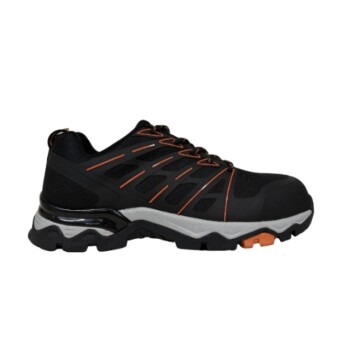
Breathability is the fundamental requirement for foot health. Genuine leather and canvas are the preferred materials for protective training shoes and sneakers because they facilitate optimal air circulation and efficient moisture management. By actively lowering the temperature and humidity within the foot environment, these materials create a barrier against infection while offering the structural flexibility necessary to prevent physical injury.
The superiority of natural materials lies in their ability to maintain a healthy microenvironment. By facilitating moisture-vapor transmission, they inhibit pathogen growth and reduce friction, serving as a critical medical safeguard as much as a comfort feature.
The Physiology of the Foot Environment
Regulating Temperature and Humidity
The primary function of breathable materials is to control the internal climate of the shoe.
Genuine leather and canvas allow for continuous air circulation. This ventilation effectively lowers the ambient temperature around the foot and reduces accumulated humidity, which is inevitable during physical exertion.
Efficient Vapor Transmission
High-breathability materials act as a release valve for perspiration.
They facilitate a mechanism known as moisture-vapor transmission. This ensures that sweat is not trapped against the skin but is instead allowed to evaporate or pass through the material, keeping the foot dry.
Biological Protection and Hygiene
Inhibiting Pathogen Growth
A warm, damp environment is a breeding ground for harmful microbes.
By maintaining dryness and lower temperatures, breathable materials actively inhibit the growth of fungi and bacteria. This is a preventative measure that significantly lowers the risk of common foot infections.
Preventing Tissue Maceration
Excessive moisture weakens the skin, a condition known as tissue maceration.
Soft, soggy skin is highly susceptible to damage and infection. By preventing the accumulation of sweat, breathable linings preserve the integrity of the skin, serving as a vital material safeguard against tissue breakdown.
Mechanical Advantages and Comfort
Conformity and Flexibility
Beyond hygiene, genuine leather offers distinct mechanical benefits.
Unlike rigid synthetics, leather provides superior flexibility and softness. Over time, it conforms to the unique shape of the wearer's foot, creating a custom fit that rigid materials cannot replicate.
reducing Friction Damage
Rigidity is the primary cause of blisters and abrasions.
Because leather and canvas yield to the foot's movement, they significantly reduce friction damage. This prevents the physical trauma often caused by unyielding, protective outer shells found in lower-quality footwear.
Understanding the Trade-offs
Breathability vs. Water Resistance
While breathable materials are excellent for letting moisture out, they are naturally porous.
This means they may be less effective at keeping external water out compared to fully sealed synthetic rubber or plastic. For training in heavy rain or submerged environments, high breathability can sometimes result in wet feet from external sources.
Maintenance Requirements
Natural materials like genuine leather require care to maintain their properties.
To keep the pores open for air circulation and the material soft for flexibility, leather often requires cleaning and conditioning. Neglecting this can lead to the material drying out, becoming rigid, and losing the very benefits it was selected for.
Making the Right Choice for Your Goal
Selecting the right footwear depends on balancing protection with physiological health.
- If your primary focus is Infection Prevention: Prioritize canvas or unsealed leather to maximize moisture-vapor transmission and eliminate the damp conditions that fungi require to survive.
- If your primary focus is Long-Term Comfort: Choose genuine leather, as its ability to conform to your foot shape will minimize friction and mechanical irritation over long training sessions.
Ultimately, a dry foot is a healthy foot; prioritizing breathability is the most effective way to ensure structural protection does not come at the cost of biological health.
Summary Table:
| Feature | Genuine Leather | Canvas | Synthetic Materials |
|---|---|---|---|
| Breathability | High (Natural Pores) | Very High (Open Weave) | Low to Medium |
| Moisture Management | Excellent Vapor Transfer | Rapid Evaporation | Often Traps Sweat |
| Durability | Exceptional | Moderate | High |
| Foot Conformity | Custom Fit Over Time | Flexible but Static | Rigid/Slow to Break In |
| Best Use Case | Long-term wear & protection | Lightweight training | Specialized water resistance |
Partner with 3515 for High-Performance Footwear Manufacturing
As a large-scale manufacturer serving distributors and brand owners, 3515 offers comprehensive production capabilities for all footwear types, anchored by our flagship Safety Shoes series. Our extensive portfolio covers work and tactical boots, outdoor shoes, training shoes, and sneakers, as well as Dress & Formal shoes to meet diverse bulk requirements.
We provide our partners with:
- Material Expertise: High-quality genuine leather and canvas sourcing for maximum breathability.
- Bulk Scalability: Advanced production lines capable of meeting large-scale global demands.
- Custom Engineering: Tailoring footwear to balance biological health with structural protection.
Ready to elevate your product line with premium, breathable protective footwear? Contact us today to discuss your bulk manufacturing needs!
References
- Nourah Yousef A Al-Harbi, Zainab H. Almohammed. Awareness of Foot Care among Diabetic Patients in Eastern Province, Saudi Arabia: A Cross-Sectional Study. DOI: 10.36348/sjm.2023.v08i09.009
This article is also based on technical information from 3515 Knowledge Base .
Related Products
- Premium Suede Sport Safety Shoes for Wholesale & Bulk Orders
- Wholesale Durable & Breathable Training Shoes for Custom Brands
- Custom OEM Training Shoes Wholesale Manufacturer Durable & Breathable
- Premium Lightweight Safety Shoes for Wholesale & Bulk Orders
- Wholesale Mesh Steel Toe Safety Shoes with Dial Closure Factory Production
People Also Ask
- What industries have specific OSHA footwear requirements? Ensure Compliance & Protect Your Workforce
- What are the primary functions of professional safety shoes? Maximize Safety in Water Supply Confined Spaces
- What role do specialized safety shoes play in preventing falls? Engineering Stability in Industrial Environments
- How do gait analysis algorithms ensure accuracy in footwear? Master Step Length Precision for Boots & Sneakers
- What are the technical advantages of integrating sensors into safety shoes? Achieve Superior Motion Capture Precision