The primary competitive advantage of carbon fiber and advanced polymers in Personal Protective Equipment (PPE) lies in their superior strength-to-weight ratio. Unlike traditional materials that rely on mass to provide durability, these advanced composites allow manufacturers to produce gear that maintains or exceeds rigorous protection ratings while drastically reducing the overall weight of the equipment.
The shift to advanced polymers and carbon fiber solves a fundamental human resources challenge: user compliance. By decoupling high-level protection from heavy bulk, these materials reduce physical fatigue and significantly increase the likelihood that workers will consistently wear their safety gear.
The Mechanics of Material Efficiency
Decoupling Mass from Safety
In traditional manufacturing, achieving higher safety ratings often required adding more material, which increased the weight of the gear. Advanced polymers and carbon fiber disrupt this correlation. They offer high-impact resistance and structural integrity without the penalty of added mass.
Optimized for Crucial Equipment
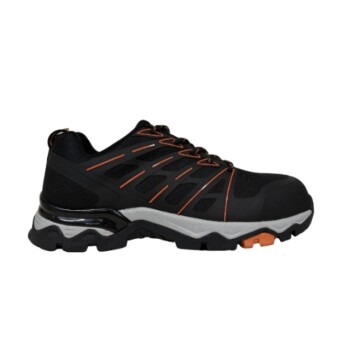
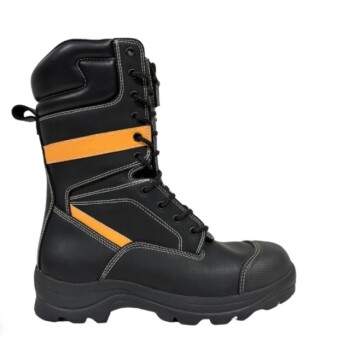
This weight reduction is particularly impactful in specific categories of PPE, such as safety helmets, protective vests, and safety shoes. These are items worn on the body for extended periods, where every ounce of weight savings contributes to performance.
The Human Factor: Comfort and Compliance
Reducing Physical Fatigue
The physical toll of wearing heavy protective gear accumulates over the course of a work shift. By utilizing lightweight materials, manufacturers can significantly minimize the physical fatigue workers experience during prolonged wear. This helps maintain energy levels and focus throughout the day.
Driving Consistent Usage
The most protective gear is ineffective if a worker removes it due to discomfort. There is a direct link between the weight of the gear and a worker's willingness to use it. Advanced materials make PPE less intrusive, thereby increasing the rate of consistent usage and overall workplace safety compliance.
Understanding the Operational Trade-offs
The Pitfall of Traditional "Bulk"
A common misconception in safety planning is that heavier, denser material equates to better protection. Relying on this traditional logic can lead to the selection of gear that is technically safe but practically unusable due to weight.
Balancing Protection and Ergonomics
While traditional materials may meet basic impact standards, they often fail the ergonomics test. The use of carbon fiber represents a strategic choice to prioritize the wearer's long-term endurance over simple, static impact resistance.
Making the Right Choice for Your Safety Goals
To maximize the effectiveness of your PPE strategy, consider your specific operational needs:
- If your primary focus is Reducing Worker Fatigue: Prioritize gear made from carbon fiber to minimize the cumulative physical load on employees during long shifts.
- If your primary focus is Improving Safety Compliance: Select advanced polymer equipment to eliminate the "discomfort barrier" that often leads workers to neglect their gear.
Investing in advanced materials transforms PPE from a physical burden into a seamless tool for worker safety.
Summary Table:
| Feature | Traditional Materials | Carbon Fiber & Advanced Polymers |
|---|---|---|
| Strength-to-Weight | Low (Relies on mass/bulk) | High (Maximum protection, minimal weight) |
| Worker Fatigue | High (Causes physical strain) | Low (Reduces physical burden significantly) |
| Compliance Rate | Lower (Due to discomfort) | Higher (Ergonomic and non-intrusive) |
| Impact Resistance | Standard | High-performance / Structural Integrity |
| Best Use Case | Basic, static protection | High-endurance environments / Extended shifts |
Elevate Your Fleet’s Safety with 3515 Footwear Solutions
As a large-scale manufacturer serving distributors and brand owners, 3515 offers comprehensive production capabilities for all footwear types. Our flagship Safety Shoes series leverages advanced materials to provide your clients with the perfect balance of rugged durability and lightweight comfort.
Whether you need industrial work boots, tactical gear, or professional dress shoes, we provide the bulk manufacturing expertise to grow your brand. Contact us today to discuss your production requirements and see how our footwear technology can enhance your product portfolio.
References
- Qin Xiaoxiang, Teik Hua Law. Status, opportunities, and future of smart personal protection equipment in construction site: Patent analysis. DOI: 10.53894/ijirss.v8i2.5533
This article is also based on technical information from 3515 Knowledge Base .
Related Products
- Heavy-Duty Waterproof Nubuck Safety Boots Safety Shoes for Bulk Supply
- Advanced KPU Athletic Safety Shoe with Steel Toe Cap Anti-Slip Rotary Lacing System
- Premium Safety Shoes with Rotating Buckle Safety Sneakers
- Premium KPU Athletic Safety Shoes for Wholesale
- Premium KPU Injection Athletic Style Safety Shoes
People Also Ask
- What primary protective functions do professional safety boots provide in urban solid waste recovery and waste picking processes? Discover Dual-Layer Protection.
- How do safety boots reduce cutting hazards? Essential Protection for Your Workforce
- Which organizations develop safety standards for work boots? Ensure Compliance & Worker Safety
- What are the common types of safety boots and their primary uses? A Guide to Industrial Footwear
- Why is ankle and arch support important in safety footwear? Prevent Injury & Fatigue