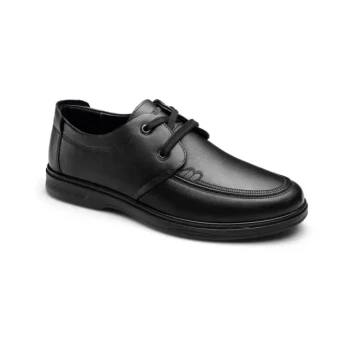
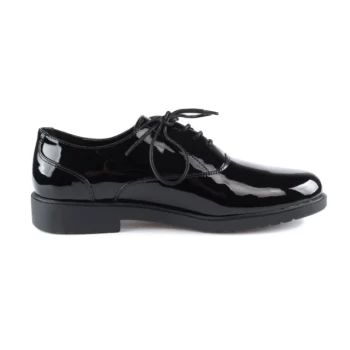
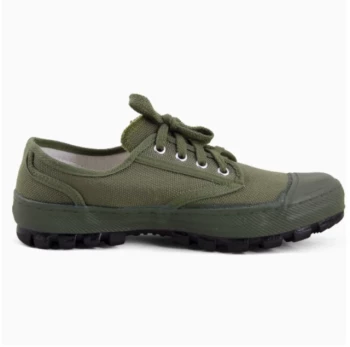
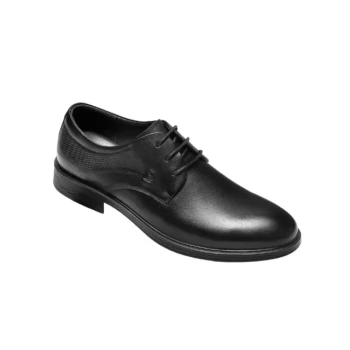
Custom-shape cultivation equipment is essential because it fundamentally shifts biosynthetic leather production from a wasteful, subtractive process to a precise, additive "direct molding" model. Instead of growing large flat sheets that must be cut down, this technology allows bacterial cellulose to grow directly into final forms, such as shoe vamps, drastically improving both material efficiency and structural integrity.
Core Insight: This equipment is not just about growing material; it is about growing components. It enables a manufacturing ecosystem where the shape, thickness, and density of the leather are engineered during the biological growth phase, eliminating the mechanical waste inherent in traditional shoemaking.
Revolutionizing Production Logic
From Sheets to Specific Geometries
Traditional leather production relies on creating large, uniform hides or sheets. Manufacturers must then cut specific patterns out of these sheets.
Custom-shape cultivation disrupts this by using specialized containers that define the boundaries of growth. The bacterial cellulose takes the shape of the container—such as a shoe upper—during fermentation.
The "Direct Molding" Advantage
This process is referred to as direct molding. It removes the need for intermediate processing steps.
By growing the material into its final form, you bypass the mechanical trauma and variability introduced by cutting, stretching, and stitching flat materials into 3D shapes.
Precision Control of Material Properties
Engineering Density Gradients
Beyond simple geometry, this equipment allows for the manipulation of the material's internal structure. You can control density gradients across the component.
This means a single piece of biosynthetic leather can be engineered to be denser in high-stress areas (like the heel) and more porous or flexible in others, without seams or adhesives.
Optimizing Thickness
Standard manufacturing often requires shaving down materials to achieve the desired thickness. Cultivation containers allow you to dictate the exact thickness during the growth phase.
This reduces post-processing labor and ensures the material specifications meet the exact requirements of the footwear design from the moment of harvest.
Operational Efficiency and Sustainability
Eliminating Mechanical Cutting
The most immediate economic benefit is the elimination of mechanical cutting stages. In traditional leather working, off-cuts (the material left over after cutting patterns) represent significant waste.
By growing only what is needed, this technology aligns production volume almost perfectly with material usage.
Aligning with Circular Economy Principles
This approach supports a circular economy model. It minimizes raw material input (nutrients for the bacteria) by ensuring they are converted only into usable end-products.
It transforms sustainability from a recycling effort into a design-and-manufacture strategy.
Understanding the Trade-offs
Complexity of Mold Design
While this method reduces material waste, it increases the complexity of the fermentation setup. Each size and style requires a specific cultivation container.
Unlike cutting, where a digital file change alters the output immediately, changing a design in this model requires manufacturing new physical cultivation molds.
Environmental Uniformity
Growing complex shapes requires precise control over the fermentation environment within the mold. Ensuring uniform nutrient delivery and oxygen access across a 3D shape is more technically demanding than in flat tray cultivation.
Making the Right Choice for Your Goal
If your primary focus is Waste Reduction: Prioritize this equipment to eliminate off-cuts and achieve a near-zero-waste production line by growing exact shapes.
If your primary focus is Performance Engineering: Leverage the cultivation containers to create specific density and thickness gradients that improve the structural support of the footwear without adding weight.
If your primary focus is Supply Chain Speed: Evaluate if the lead time for creating custom molds fits your design cycle, as this is less flexible than digital cutting methods.
This technology represents the critical link between biological potential and industrial precision, allowing you to grow a shoe rather than assemble one.
Summary Table:
| Feature | Traditional Sheet Production | Custom-Shape Cultivation |
|---|---|---|
| Production Logic | Subtractive (Cut from sheets) | Additive (Direct molding) |
| Material Waste | High (Off-cuts & scrap) | Near-Zero (Exact geometry) |
| Structural Control | Uniform thickness only | Variable density & thickness |
| Processing Steps | Cutting, thinning, stitching | Harvest to final component |
| Design Flexibility | High (Digital file changes) | Moderate (Requires new molds) |
Revolutionize Your Footwear Production with 3515
As a large-scale manufacturer serving global distributors and brand owners, 3515 offers comprehensive production capabilities across all footwear types. Whether you are looking to integrate sustainable biosynthetic components into our flagship Safety Shoes series or require high-volume manufacturing for Tactical Boots, Outdoor Shoes, Training Shoes, or Dress & Formal footwear, we provide the scale and expertise you need.
Partner with us to leverage cutting-edge material efficiency and superior structural integrity in your product lines. Contact us today to explore our bulk manufacturing solutions and see how our footwear expertise can enhance your brand's value.
References
- J.C. Dias, Carla Silva. Biopolymers Derived from Forest Biomass for the Sustainable Textile Industry. DOI: 10.3390/f16010163
This article is also based on technical information from 3515 Knowledge Base .
Related Products
- Wholesale Leather Apron Toe Derby Shoes Custom Factory Production
- Wholesale Comfort Leather Business Shoes with Dial Lacing System
- Custom Manufactured Air Cushion Leather Business Shoes for Wholesale
- Wholesale Durable Camouflage Canvas Shoes with High-Traction Cleated Rubber Sole
- Dial Closure Leather Business Casual Shoes for Wholesale & Private Label
People Also Ask
- What historical figure is associated with the Derby shoe? The Earl of Derby's Comfort Revolution
- What are the features and appropriate occasions for wearing derby shoes? A Guide to Versatile Style
- What is the main difference between Derby Shoes and Oxford Shoes? It's All in the Lacing.
- How do Derby shoes fit into business casual attire? Master the Perfect Balance of Professional Style
- What are Derbies and how do they differ from Oxfords? A Guide to Lacing and Formality