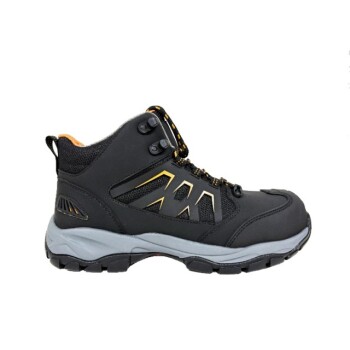
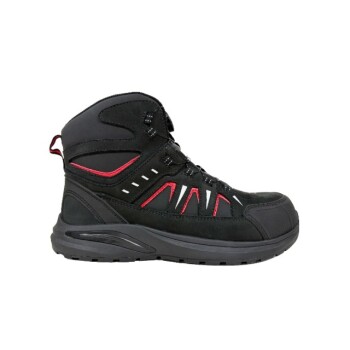
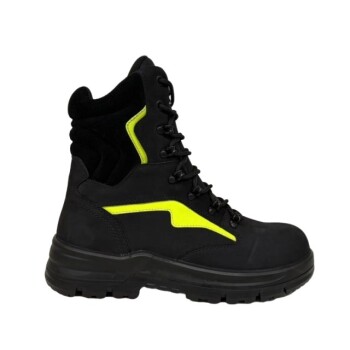
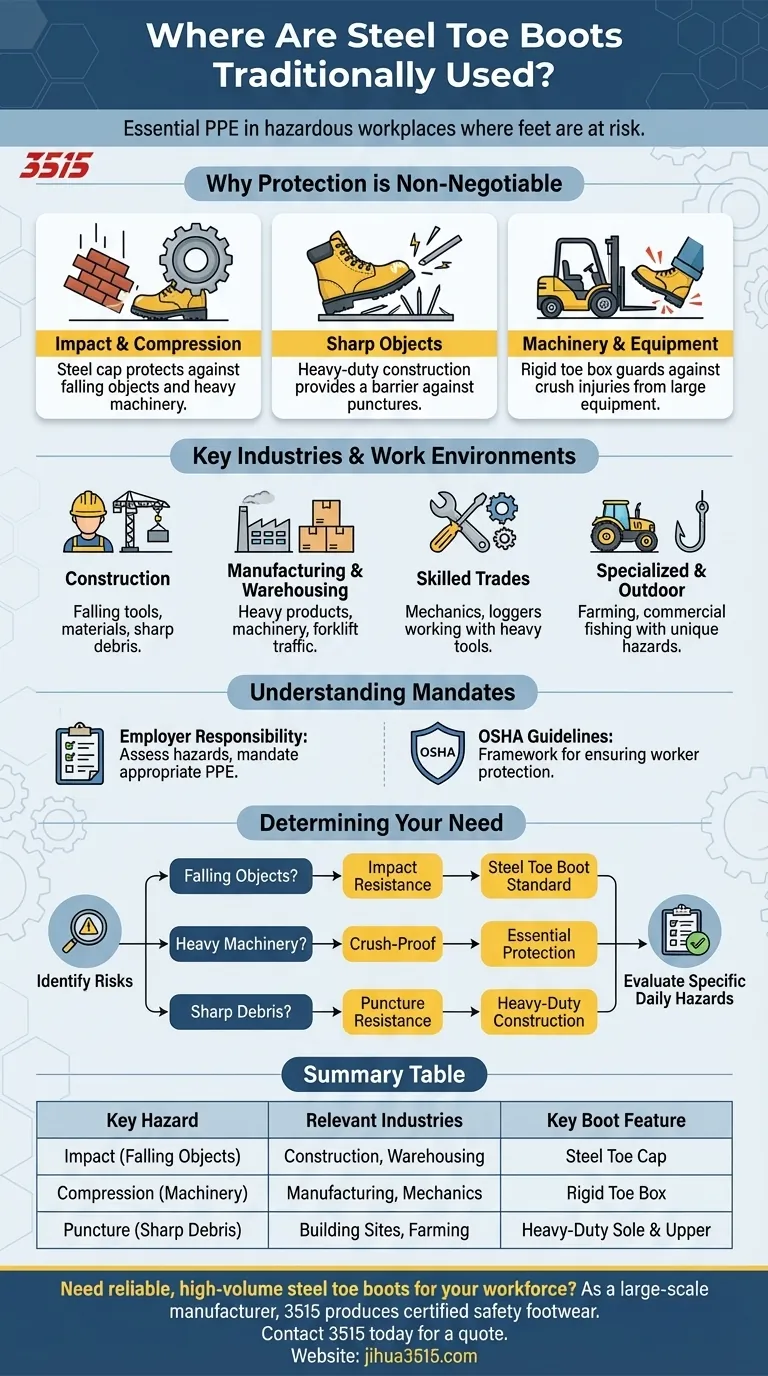
Traditionally, steel toe boots are standard personal protective equipment (PPE) in any hazardous workplace where feet are at risk of injury. They are most commonly found in industries like construction, manufacturing, logistics, and skilled trades such as mechanics and logging. Their primary purpose is to protect against impact from falling objects and compression from heavy machinery.
The core principle is simple: steel toe boots are not just for specific job titles, but for any environment where the risk of a serious foot injury is present. The specific hazards of the workplace—not the industry name alone—dictate the need for this level of protection.
Why This Protection is Non-Negotiable
Steel toe boots became the safety standard for decades because they provide a reliable, high level of defense against the most common and severe workplace foot injuries. Understanding the specific threats they mitigate reveals why they are mandated in so many fields.
Protection Against Impact and Compression
The defining feature is the steel cap, which offers the highest available standard for impact and compression. This is critical in dynamic environments where heavy items can be dropped or roll over an employee's foot.
Construction sites, warehouses, and manufacturing floors are prime examples of places where these risks are constant.
Defense Against Sharp Objects
While the steel toe protects the front of the foot, the heavy-duty construction of the entire boot provides a barrier against punctures from nails, screws, and other sharp debris commonly found on job sites.
This is especially relevant for builders, farmers, and disaster relief workers who navigate unpredictable terrain.
Shielding from Machinery and Equipment
Operators of large machinery, forklifts, and other heavy equipment require steel toe boots to guard against crush injuries. The rigid toe box ensures the foot is protected if caught or run over.
Mechanics and factory workers who are constantly around moving equipment and heavy parts rely on this feature daily.
Key Industries and Work Environments
While the need is based on risk, several industries have these hazards embedded in their daily operations, making steel toe boots a default requirement.
Construction and Building Sites
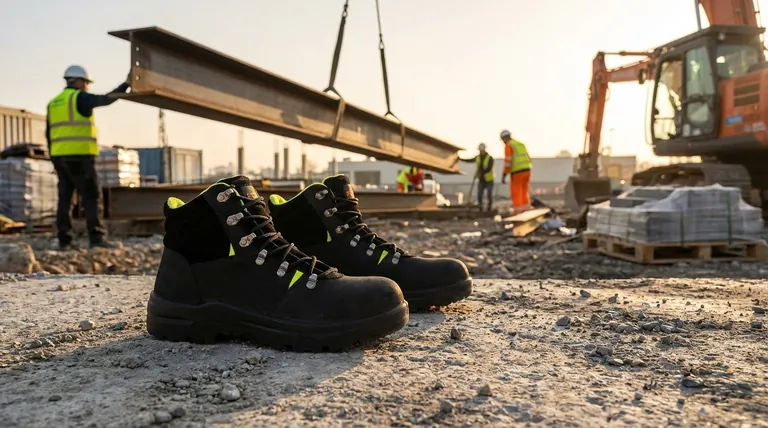
This is the most classic environment for steel toe boots. Workers are constantly exposed to risks from falling tools, heavy building materials like lumber or concrete blocks, and sharp objects on the ground.
Manufacturing and Warehousing
In factories and logistics centers, workers handle heavy products, operate machinery, and navigate areas with forklift traffic. Steel toe boots are essential PPE to prevent injuries from dropped cargo or vehicle-related accidents.
Skilled Trades and Manual Labor
Occupations like mechanics, machinery operators, and loggers work with heavy tools, parts, and equipment. The durability and protection of a steel toe boot are fundamental to their safety.
Specialized and Outdoor Fields
Even less obvious fields require this protection. Farmers face risks from heavy equipment and sharp tools, while commercial fishermen need protection from hooks, heavy gear, and slippery, hazardous surfaces.
Understanding the Mandates
In many cases, wearing steel toe boots is not a personal choice but a mandatory safety requirement enforced by employers and guided by federal standards.
Employer Responsibility
Employers are responsible for assessing workplace hazards and mandating the use of appropriate PPE. If a hazard assessment identifies a risk of foot injury, the employer will designate the area as one requiring protective footwear.
OSHA Guidelines
The Occupational Safety and Health Administration (OSHA) provides the framework for these requirements. OSHA guidelines compel employers to ensure workers are protected from foot hazards, making steel toe boots a common solution to achieve compliance in high-risk industries.
Determining if You Need Steel Toe Boots
Use the specific risks present in your workplace as your definitive guide.
- If your primary focus is protection from falling objects or heavy materials: A steel toe boot is the established standard for impact and compression resistance.
- If your primary focus is safety around vehicles and heavy machinery: The crush-proof nature of a steel toe is essential for preventing catastrophic injury.
- If your primary focus is navigating environments with sharp ground debris: The overall heavy-duty construction of these work boots provides critical puncture resistance.
Ultimately, evaluating the specific, daily hazards of your job is the correct way to determine your need for protective footwear.
Summary Table:
| Key Hazard | Relevant Industries | Key Boot Feature |
|---|---|---|
| Impact from Falling Objects | Construction, Warehousing | Steel Toe Cap |
| Compression from Machinery | Manufacturing, Mechanics | Rigid Toe Box |
| Puncture from Sharp Debris | Building Sites, Farming | Heavy-Duty Sole & Upper |
Need reliable, high-volume steel toe boots for your workforce?
As a large-scale manufacturer, 3515 produces a comprehensive range of certified safety footwear for distributors, brand owners, and bulk clients. We ensure your teams have the durable, compliant protection they need, from classic steel toe boots to specialized models for any hazardous environment.
Contact 3515 today for a quote and discover how our production capabilities can meet your safety footwear needs.
Visual Guide
Related Products
- Durable Steel Toe Safety Boots Wholesale & Custom Manufacturing
- Wholesale Durable Breathable Safety Boots Custom OEM Manufacturer
- Wholesale Durable 6-Inch Work Boots | Custom & Private Label Manufacturer
- Puncture-Resistant Velcro Safety Boots for Wholesale & Custom Manufacturing
- Premium Sport Style Safety Boots for Bulk Orders
People Also Ask
- Why are industrial safety boots with steel toes necessary for machine operators? Essential Foot Protection for Safety
- Why is it mandatory to wear safety shoes with steel toe protection during metal loading? Prevent Crushing Injuries
- What are the main materials used in steel toe safety shoes? A Guide to Protective Footwear Construction
- What are the characteristics of steel toe safety boots? Maximum Protection, Key Trade-offs
- Is it true that steel toes can cause toes to get cut off? Debunking the Dangerous Myth