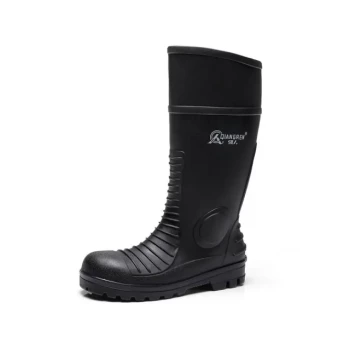
To ensure the safety and efficiency of personnel performing manual collection tasks on plantation floors, work shoes must feature a specific combination of flexibility, puncture resistance, and ergonomic support. Specifically, for tasks like gathering loose palm kernels, footwear requires soles that are impenetrable to thorns and sharp organic debris while remaining flexible enough to accommodate repetitive ground-level movements.
The core objective of plantation footwear is to balance impenetrable protection with physical agility. By selecting shoes that combine puncture-resistant soles with ergonomic cushioning, you protect the workforce from injury while simultaneously boosting productivity and minimizing resource waste.
Critical Protective Features
Puncture-Resistant Soles
The plantation floor is often littered with hazards, including thorns and sharp organic debris. Puncture resistance is the primary technical requirement for any shoe used in this environment. The sole must be robust enough to prevent these sharp objects from penetrating through to the foot, ensuring the immediate safety of the worker.
Defense Against Organic Debris
Manual collection involves working directly on the ground in fine-scale agricultural harvesting. The shoe's exterior design must withstand constant contact with rough, loose materials like palm kernels. This creates a necessary barrier between the worker's feet and the potentially abrasive or piercing nature of the harvest waste.
Ergonomics and Operational Efficiency
Necessary Flexibility
While protection is vital, the shoe cannot be rigid. Flexible soles are required to allow for the range of motion needed during manual collection. Workers gathering loose items at ground level engage in repetitive bending and squatting, requiring footwear that bends naturally with the foot rather than restricting movement.
Impact Cushioning
High-density manual labor places significant stress on the worker's body. Ergonomic cushioning is a critical technical feature designed to absorb shock and support the foot during long periods of activity. This support system helps reduce fatigue, allowing personnel to maintain efficiency throughout the shift.
Understanding the Trade-offs
Protection vs. Mobility
A common pitfall in selecting safety footwear is prioritizing maximum protection at the cost of mobility. Heavily armored boots often provide excellent puncture resistance but can be too stiff for tasks requiring constant crouching and ground-level gathering. If the shoe lacks the required flexibility, it may slow down the worker and increase long-term fatigue.
Durability vs. Weight
Integrating thick, puncture-resistant materials often adds weight to the shoe. The technical challenge is finding a model that utilizes advanced materials to provide the necessary barrier against thorns without creating a heavy anchor on the worker's foot. Heavy footwear contributes directly to faster exhaustion during repetitive movement.
Making the Right Choice for Your Goal
When selecting footwear for manual collection teams, align the features with your primary operational objectives.
- If your primary focus is injury prevention: Prioritize high-grade puncture-resistant soles to completely neutralize the risk of thorns and sharp debris penetrating the foot.
- If your primary focus is workforce productivity: Emphasize ergonomic cushioning and sole flexibility to reduce fatigue and support the high-density movements required for fine-scale harvesting.
Invest in footwear that views worker health as a prerequisite for operational efficiency.
Summary Table:
| Technical Feature | Primary Benefit | Operational Impact |
|---|---|---|
| Puncture Resistance | Blocks thorns and sharp organic debris | Prevents foot injuries and downtime |
| Sole Flexibility | Supports repetitive bending and squatting | Increases agility and harvest speed |
| Ergonomic Cushioning | Absorbs impact and reduces foot fatigue | Sustains long-shift productivity |
| Debris Defense | Protects against abrasive harvest waste | Extends footwear lifespan and comfort |
Elevate Your Workforce Safety with 3515 Footwear Solutions
As a premier large-scale manufacturer serving global distributors and brand owners, 3515 specializes in high-performance footwear tailored for the most demanding agricultural and industrial environments. Our flagship Safety Shoes series is engineered to provide the perfect balance of impenetrable protection and physical agility—ensuring your manual collection teams are safe from plantation hazards while maintaining peak efficiency.
From puncture-resistant work boots to tactical, outdoor, and training shoes, our comprehensive production capabilities meet diverse bulk requirements with uncompromising quality. Partner with us today to secure professional-grade footwear that drives operational success.
References
- Mochammad Wahyu Ghani, Anggi Afriansyah. Portrait of Child Labor in Small-Scale Oil Palm Plantations: Dillemma Between Education and Work.. DOI: 10.14203/jmi.v49i2.1262
This article is also based on technical information from 3515 Knowledge Base .
Related Products
- Durable Leather Work Boots for Wholesale & Custom Manufacturing
- Durable Leather Work Boots for Wholesale & Custom OEM Manufacturing
- Durable Goodyear Welt Leather Work Boots for Wholesale & Private Label
- Durable Leather Moc Toe Work Boots for Wholesale & Custom Manufacturing
- Durable Leather Work Boots Wholesale Manufacturer & Custom Factory
People Also Ask
- What is the difference between full-grain and top-grain leather? Premium Material Guide for Boot Manufacturers
- What are the common workplace hazards that can be mitigated with the right work boots? Protect Your Workforce
- What are the common foot issues workers face due to uncomfortable work boots? Prevent Pain & Deformities
- What are the advantages of leather versus synthetic work boots? A Guide to Choosing the Right Material
- What are the key components of modern work boots? Engineered for Ultimate Durability and Comfort