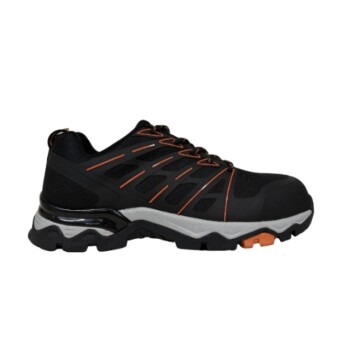
High-performance safety shoes function as a critical defense system for workers operating in hazardous environments. These specialized boots provide three primary safety functions: hardened toe caps to prevent crushing injuries from heavy impacts, puncture-resistant midsoles to block penetration by sharp objects like rebar or nails, and anti-slip outsoles to ensure stability and mobility on wet or uneven terrain.
Construction sites present a unique triad of physical risks: heavy impacts, sharp debris, and unstable footing. High-performance footwear addresses these simultaneously through integrated technical components, transforming the shoe from simple apparel into essential Personal Protective Equipment (PPE) that safeguards mobility and prevents incapacitating injury.
The Mechanics of Foot Protection
Impact Resistance via Hardened Toe Caps
The most immediate threat on a construction site comes from falling heavy objects or compression accidents. High-performance shoes utilize hardened toe caps to shield the toes and metatarsals.
These caps, often reinforced with steel or high-strength composite materials, act as a rigid shell. They absorb and deflect energy, preventing crushing injuries when heavy brackets, tools, or building materials are dropped.
Barrier Protection Against Puncture Wounds
Construction floors are frequently littered with sharp hazards that soft-soled shoes cannot stop. To counter this, these shoes are engineered with specialized puncture-resistant midsoles.
This protective layer sits between the outsole and the inner footbed. It creates an impenetrable barrier against sharp objects such as nails, scrap metal, and rebar, ensuring that stepping on debris does not result in a piercing injury.
Stability Control on Complex Surfaces
Safety is not just about withstanding a blow; it is about maintaining balance. High-performance footwear features anti-slip outsoles designed for complex terrains.
These soles use specialized textures and materials to increase friction on wet, oily, or excavated surfaces. By significantly reducing the risk of slipping, these shoes enhance the worker's overall operational mobility, allowing them to move confidently through the site.
Understanding the Trade-offs
Rigidity vs. Flexibility
To provide puncture resistance and impact protection, high-performance shoes require dense, rigid materials.
This structural integrity can sometimes limit the natural flexibility of the foot compared to standard athletic wear. While necessary for safety, this rigidity can require a "break-in" period for the wearer.
Weight and Fatigue Management
The inclusion of steel or hardened composite caps adds physical weight to the footwear.
While this weight is necessary for maximum protection, it can contribute to leg fatigue over long shifts. However, many premium models mitigate this by incorporating comfortable inner linings designed to cushion the foot and reduce the strain of prolonged standing.
Making the Right Choice for Your Goal
When selecting safety footwear, align the specific features with the primary risks of your job site:
- If your primary focus is preventing crush injuries: Prioritize shoes with certified, heavy-duty hardened toe caps capable of withstanding significant impact loads.
- If your primary focus is navigating debris-heavy demolition zones: Ensure the footwear features a high-grade puncture-resistant midsole to shield against nails and sharp scrap.
- If your primary focus is working on wet or excavated ground: Select gear with aggressive anti-slip outsoles to maintain traction and prevent falls.
Investing in the correct high-performance footwear is the single most effective step you can take to ensure personal safety and continuity of work in hazardous environments.
Summary Table:
| Safety Feature | Component Material | Primary Hazard Protection |
|---|---|---|
| Crush Protection | Steel or Composite Toe Caps | Falling heavy objects and compression |
| Puncture Resistance | Reinforced Midsoles | Sharp debris, nails, and rebar penetration |
| Slip Resistance | Specialized Rubber Outsoles | Wet, oily, or uneven excavated surfaces |
| Impact Absorption | Technical Inner Linings | Long-term fatigue and joint strain |
Secure Your Workforce with Premium Safety Solutions
As a large-scale manufacturer serving distributors and brand owners, 3515 offers comprehensive production capabilities for all footwear types, anchored by our flagship Safety Shoes series. We understand that for construction and industrial leaders, footwear is more than just a uniform—it is essential PPE. Our extensive portfolio covers work and tactical boots, outdoor shoes, training shoes, and sneakers, as well as Dress & Formal shoes to meet diverse bulk requirements.
Partner with 3515 to access durable, high-performance footwear engineered for maximum protection and comfort. Contact us today to discuss your bulk manufacturing needs!
References
- Qutaiba Qahtan Qaddoori, Hatem Khaleefah Breesam. Using the Pivot Pair-Wise Relative Criteria Importance Assessment (PIPRECIA) Method to Determine the Relative Weight of the Factors Affecting Construction Site Safety Performance. DOI: 10.18280/ijsse.130107
This article is also based on technical information from 3515 Knowledge Base .
Related Products
- Premium Suede Sport Safety Shoes for Wholesale & Bulk Orders
- Premium Lightweight Safety Shoes for Wholesale & Bulk Orders
- Wholesale Anti-Smash & Puncture-Proof Safety Shoes Custom Manufacturing for Brands
- Premium KPU Injection Athletic Style Safety Shoes
- Premium Safety Shoes with Rotating Buckle Safety Sneakers
People Also Ask
- What industries have specific OSHA footwear requirements? Ensure Compliance & Protect Your Workforce
- What are the primary functions of professional safety shoes? Maximize Safety in Water Supply Confined Spaces
- What role do specialized safety shoes play in preventing falls? Engineering Stability in Industrial Environments
- Why are customized foot sensors or professional safety shoes incorporated into biomechanical testing? Precision Insights
- How do gait analysis algorithms ensure accuracy in footwear? Master Step Length Precision for Boots & Sneakers