The integration of protective elements in offroad motorcycle boots is a complex engineering feat involving rigid shin plates, reinforced toe and heel caps, internal ankle support structures, and longitudinal shanks. These components work in unison to provide a multi-layered defense against high-velocity impacts, crushing forces, and extreme abrasion typical of motocross and enduro environments.
For brand owners and distributors, these protective elements represent the intersection of rider safety and manufacturing precision. High-quality offroad boots leverage advanced materials and decades of engineering heritage to ensure that every reinforced zone meets rigorous international safety certifications while maintaining the structural integrity required for large-volume, consistent delivery.
Lower Leg and Impact Defense
The structural foundation of an offroad boot begins with its ability to deflect direct impacts from debris and the motorcycle itself.
Rigid Shin Protection
Offroad environments subject riders to flying rocks and collisions with trail obstacles. High-impact plastic armor is integrated into the shin area to disperse energy across a wider surface area, preventing localized fractures.
Energy-Absorbing Padding
Beneath the external armor, manufacturers utilize energy-absorbing and load-spreading padding. This internal layer is critical for reducing the force transmitted to the rider's skeletal structure during a hard landing or crash.
High-Top Structural Integrity
The high-top structure is not merely for style; it provides a vertical brace for the lower leg. This design ensures that the protective elements remain correctly positioned even under the violent movements of motocross racing.
Foot and Ankle Reinforcement
The foot and ankle are the most vulnerable points for crushing and twisting injuries in off-road riding.
Reinforced Toe and Heel Caps
Specialized toe caps, often reinforced with steel or composite materials, protect against frontal impacts. Similarly, reinforced heel cups provide a rigid "bucket" that prevents the rear of the foot from being crushed during a rear-end collision or a fall.
Ankle Support and Lateral Rigidity
To minimize the risk of sprains and breaks, boots incorporate dedicated ankle support structures. These elements are designed to allow for necessary shifting and braking movements while strictly limiting the lateral flex that leads to injury.
Longitudinal Sole Shanks
A steel or reinforced shank is embedded within the sole to provide structural rigidity. This prevents the boot from folding or twisting under heavy loads, which is essential for protecting the arch of the foot during high-impact landings.
Durability and Control Elements
Beyond impact protection, offroad boots must facilitate bike control and withstand extreme wear.
High-Abrasion Inner Panels
Off-road riders frequently squeeze the motorcycle between their legs for stability. To combat the resulting friction, boots feature high-abrasion-resistant materials on the inner side, protecting both the rider's leg and the boot's structural integrity.
Interchangeable Sole Systems
Due to the high levels of friction and the sharp teeth of off-road footpegs, soles wear out quickly. Premium manufacturers design interchangeable soles, allowing distributors to offer a product with a significantly extended service life through easy maintenance.
Secure Buckle and Strap Systems
A secure fit is a safety requirement. Adjustable buckles and straps ensure the boot remains a cohesive unit with the rider’s leg, preventing the foot from sliding internally, which could compromise the effectiveness of the integrated armor.
Understanding the Trade-offs
In the realm of offroad boot manufacturing, there is a constant tension between maximum protection and rider mobility.
Weight vs. Protection: Adding more plastic armor and metal shanks increases the safety rating but also increases the overall weight of the boot. Heavy boots can lead to rider fatigue, which indirectly increases the risk of accidents during long enduro sessions.
Rigidity vs. Tactile Feedback: A highly rigid boot offers superior crush protection but may decrease the rider's "feel" for the rear brake and gear shifter. Manufacturers must balance the thickness of the reinforced zones to ensure the rider remains in full control of the machine.
Leveraging Manufacturing Heritage for Your Brand
When selecting a manufacturing partner for OEM or ODM offroad boots, the technical specifications are only as reliable as the factory producing them.
- If your primary focus is enterprise-level reliability: Look for partners with a rich heritage (such as those established since 1951) to ensure the deep technical expertise required for complex armor integration.
- If your primary focus is global market compliance: Prioritize manufacturers who hold comprehensive international certifications, ensuring your product meets the safety standards of every region you serve.
- If your primary focus is supply chain stability: Seek out facilities with massive production scales and state-of-the-art equipment to guarantee consistent, large-volume delivery without quality fluctuations.
Choosing a partner that masters these specific protective elements ensures your brand delivers not just a product, but a definitive safety solution for the professional offroad market.
Summary Table:
| Protective Element | Primary Function | Key Material / Feature |
|---|---|---|
| Rigid Shin Plates | Energy dispersal from high-velocity debris | High-impact molded plastic armor |
| Toe & Heel Caps | Crush protection and frontal impact defense | Steel or composite reinforcement |
| Ankle Structures | Prevents lateral torsion and sprains | Integrated internal support braces |
| Longitudinal Shanks | Structural rigidity to prevent foot folding | Embedded steel or reinforced shank |
| Abrasion Panels | Friction resistance against bike frames | High-density heat-resistant materials |
| Closure Systems | Secure fit and structural cohesion | Adjustable high-tension buckle straps |
Partner with a Manufacturing Legend for Your Footwear Line
As a large-scale manufacturer serving distributors and brand owners since 1951, 3515 offers comprehensive production capabilities across all footwear categories. Anchored by our flagship Safety Shoes series, our extensive portfolio covers work and tactical boots, outdoor shoes, training shoes, and sneakers, as well as Dress & Formal shoes to meet your diverse bulk requirements.
Why choose 3515 for your OEM/ODM needs?
- Massive Production Scale: Robust supply chain stability ensuring consistent, large-volume delivery.
- Technical Expertise: Advanced integration of protective elements backed by decades of engineering heritage.
- Global Compliance: Comprehensive international certifications to ensure your products are market-ready.
- Business Growth: High-performance manufacturing designed to maximize your profit margins and brand reputation.
Contact our expert team today to discuss your custom manufacturing requirements!
Related Products
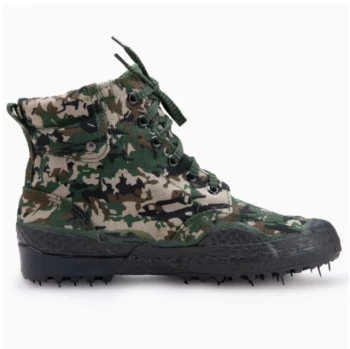
- Durable Spiked Camouflage Boots Wholesale & Factory Production
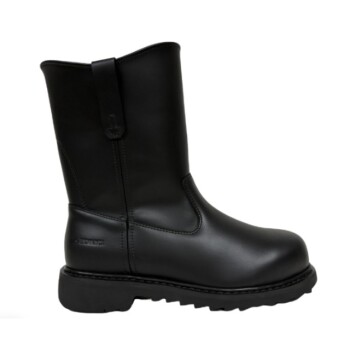
- Heavy-Duty Goodyear Welted Pull-On Safety Rigger Boot
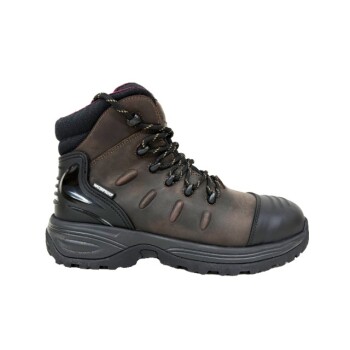
- Durable Goodyear Welt Leather Work Boots for Wholesale & Private Label
- Wholesale Tactical Boots High-Traction & Reflective for Bulk & Brand Orders
- Wholesale Lightweight Tactical Boots Custom Manufacturer for Desert & Combat Use
People Also Ask
- How does boot height affect waterproofing? Choose the Right Height for Ultimate Protection
- What are the best types of shoes for different gardening conditions? Find Your Perfect Match.
- What role does camouflage play in hunting boots? It's More Than Just a Pattern
- What should you look for to ensure boots are fully waterproof? The Essential 2-Part System
- How does boot construction affect waterproofing? The Science Behind Truly Dry Feet