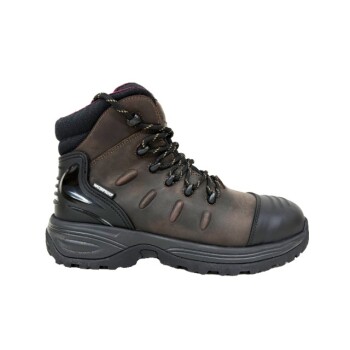
The primary protection provided is advanced traction control. In palm oil production lines, industrial safety shoes specifically utilize high-friction outsoles to counter dangerously slick surfaces caused by vegetable oil spills, steam condensation, and raw material accumulation. This targeted design serves as the first line of defense against slips, trips, and falls in a notably viscous environment.
In palm oil facilities, the floor itself is often the most immediate threat due to the combination of moisture and organic oils. The core function of these shoes is to break the surface tension of fluids to maintain contact with the ground, ensuring stability where standard footwear would fail.
Combating Liquid and Organic Hazards
The Mechanics of Anti-Slip Technology
The defining feature of safety shoes for this sector is the high-friction outsole. These soles are engineered with specialized tread patterns and materials designed to grip surfaces that are coated in lubricants.
Specific Environmental Threats
Production floors in palm oil mills are rarely dry; they are plagued by vegetable oil spills and moisture from steam condensation. Without specialized footwear, these fluids create a hydroplaning effect that makes walking treacherous.
Managing Material Accumulation
Beyond liquids, the production line sees significant material accumulation from processed palm fruit. Safety shoes are designed to navigate through this debris without compromising stability or allowing the wearer to trip over buildup.
Protection Beyond Traction
Defense Against Puncture Wounds
While slipping is the primary floor hazard, the floor may also conceal sharp objects hidden beneath foam or debris. Industrial safety shoes provide anti-puncture functions to prevent injuries from stepping on nails, metal shards, or sharp raw materials.
Mitigating Electrical Risks
The floor serves as a path to ground. Safety shoes offer static dissipation and conductive features to manage electrical charges, preventing shocks from live sources or static buildup that could ignite volatile environments.
Understanding the Limitations
The Trade-off of Aggressive Tread
To achieve maximum grip, outsoles often feature deep, aggressive lugs. While this prevents slipping, these treads can trap significant amounts of organic waste and mud, requiring frequent cleaning to maintain their effectiveness.
Weight and Fatigue
Shoes equipped with puncture-resistant plates and heavy-duty, oil-resistant rubber soles are generally heavier than standard footwear. This increased weight can lead to operator fatigue during long shifts, necessitating a balance between maximum protection and ergonomic comfort.
Making the Right Choice for Your Safety Goals
Select your footwear based on the specific zone of the production line where the worker is stationed.
- If your primary focus is Wet Processing Areas: Prioritize high-friction, oil-resistant outsoles to counteract constant exposure to steam and spills.
- If your primary focus is Maintenance and Repair: Prioritize anti-puncture and electrical conductive ratings to protect against sharp debris and live currents.
- If your primary focus is Raw Material Handling: Prioritize stability and ankle support to navigate uneven terrain caused by material accumulation.
True safety on the production floor begins where the worker connects with the ground.
Summary Table:
| Hazard Category | Specific Protection Feature | Primary Benefit in Palm Oil Mills |
|---|---|---|
| Slick Surfaces | High-Friction Outsoles | Counters vegetable oil spills and steam condensation to prevent slips. |
| Organic Debris | Specialized Tread Patterns | Maintains stability despite raw material and fruit accumulation. |
| Concealed Sharps | Anti-Puncture Functions | Protects against nails and metal shards hidden beneath production waste. |
| Static/Electricity | Static Dissipation | Manages electrical charges and prevents shocks in volatile environments. |
| Fluid Buildup | Oil-Resistant Materials | Prevents outsole degradation when exposed to viscous vegetable oils. |
Secure Your Production Line with 3515 High-Performance Safety Footwear
In the challenging environment of palm oil production, the right footwear is a critical safety investment. As a large-scale manufacturer serving global distributors and brand owners, 3515 offers specialized production capabilities designed to meet the most rigorous industrial standards. Our flagship Safety Shoes series is engineered with advanced high-friction outsoles and puncture-resistant technology to protect your workforce from viscous oil spills and hidden hazards.
Beyond safety boots, our extensive portfolio includes tactical boots, outdoor shoes, and formal dress shoes, providing a one-stop bulk manufacturing solution for all your footwear needs. Partner with 3515 to leverage our industrial expertise and ensure your team stays stable, protected, and productive.
Looking for a reliable manufacturing partner? Contact us today to discuss your bulk requirements!
References
- Rapima Sartika Tinambunan, Feby Aulia Safrin. IMPLEMENTASI METODE JOB SAFETY ANALYSIS SEBAGAI UPAYA PENCEGAHAN KECELAKAAN KERJA PADA KARYAWAN. DOI: 10.55047/transekonomika.v3i3.414
This article is also based on technical information from 3515 Knowledge Base .
Related Products
- Premium Oil Wax Leather Safety Boots for Bulk Purchase
- Wholesale Mesh Steel Toe Safety Shoes with Dial Closure Factory Production
- Premium Wheat Nubuck Safety Shoes for Bulk Distribution
- Safety Footwear Wholesale Manufacturer for Custom OEM/ODM Production
- Durable Steel Toe Safety Boots Wholesale & Custom Manufacturing
People Also Ask
- What materials are commonly used for outsoles in safety boots? A Guide to Durability, Grip, and Comfort
- How do safety boots reduce cutting hazards? Essential Protection for Your Workforce
- What are the common types of safety boots and their primary uses? A Guide to Industrial Footwear
- Which organizations develop safety standards for work boots? Ensure Compliance & Worker Safety
- What primary protective functions do professional safety boots provide in urban solid waste recovery and waste picking processes? Discover Dual-Layer Protection.