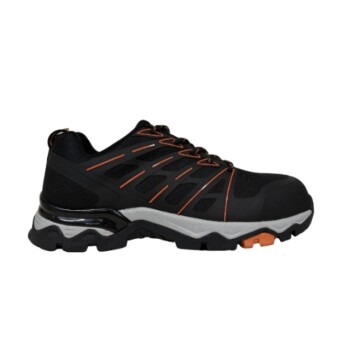
Etching-type acidic floor coatings function by chemically altering the physical topography of the floor surface. Through a controlled chemical reaction, these agents induce the formation of micron-scale pore structures, which increases the ground's overall roughness. This microscopic texturing allows the outsoles of safety footwear to physically engage with the floor, generating friction through mechanical interlocking.
By chemically engineering micron-sized pores into the floor, these coatings transform a smooth surface into a textured interface that maximizes physical grip, particularly in dry environments.
The Mechanism of Surface Modification
Creating Micron-Scale Pores
The core mechanism involves a chemical reaction between the acidic coating and the floor material.
This reaction does not merely coat the surface; it etches it, creating a network of "micro-pores."
Increasing Overall Roughness
These induced pore structures effectively increase the surface area and roughness of the ground.
This modification happens at a microscopic level, often invisible to the naked eye but distinct enough to alter friction coefficients.
Interaction with Safety Footwear
Mechanical Interlocking Force
The primary driver of safety in this context is mechanical interlocking.
The rubber or synthetic material of a safety shoe's outsole presses into the micron-scale pores created by the acid.
Enhanced Initial Grip
This physical connection acts like a gear mesh, resisting lateral movement.
This interaction significantly improves the "initial grip performance," giving the wearer immediate stability upon contact.
Understanding the Trade-offs
The Dry Condition Constraint
According to technical data, this mechanism is specifically noted for its effectiveness in dry conditions.
The mechanical interlocking described relies on the friction generated between the dry outsole and the dry, porous floor surface.
Surface Dependency
The effectiveness of the grip is directly tied to the success of the chemical reaction.
If the etching process does not sufficiently induce the pore structure, the necessary mechanical interlocking cannot occur.
Making the Right Choice for Your Environment
When evaluating etching-type acidic coatings for your facility, consider your specific environmental variables.
- If your primary focus is dry warehousing or assembly: This method is highly effective, as the micro-pores provide superior mechanical interlocking for safety footwear in dry conditions.
- If your primary focus is wet or oily processing areas: Proceed with caution, as the primary mechanism described relies on dry-contact friction to enhance the initial grip.
Successful implementation relies on matching the chemical profile of the coating to the specific operational demands of your floor.
Summary Table:
| Feature | Mechanism/Impact |
|---|---|
| Core Mechanism | Chemical etching and creation of micron-scale pores |
| Surface Change | Increased physical topography and microscopic roughness |
| Interaction Type | Mechanical interlocking with footwear outsoles |
| Primary Benefit | Enhanced initial grip and lateral stability |
| Best Environment | Dry conditions (Warehousing, Assembly lines) |
| Visual Impact | Microscopic modification (often invisible to the eye) |
Elevate Workplace Safety with 3515 High-Performance Footwear
Optimizing your facility's floors is only half the battle; the right footwear is essential to complete the safety equation. As a leading large-scale manufacturer serving global distributors and brand owners, 3515 provides professional-grade safety shoes designed to maximize mechanical interlocking on textured surfaces.
Our extensive production capabilities cover our flagship Safety Shoes series, as well as tactical boots, outdoor shoes, and formal footwear to meet your bulk requirements. Ensure your team has the superior grip they need—contact us today to discuss your bulk orders and custom manufacturing needs!
References
- Shubham Gupta, Arnab Chanda. Effect of Floor Coatings on Slip-Resistance of Safety Shoes. DOI: 10.3390/coatings12101455
This article is also based on technical information from 3515 Knowledge Base .
Related Products
- Premium Suede Sport Safety Shoes for Wholesale & Bulk Orders
- Premium Lightweight Safety Shoes for Wholesale & Bulk Orders
- Wholesale Anti-Smash & Puncture-Proof Safety Shoes Custom Manufacturing for Brands
- Premium KPU Injection Athletic Style Safety Shoes
- Premium Safety Shoes with Rotating Buckle Safety Sneakers
People Also Ask
- What are the primary functions of professional safety shoes? Maximize Safety in Water Supply Confined Spaces
- What industries have specific OSHA footwear requirements? Ensure Compliance & Protect Your Workforce
- What role do specialized safety shoes play in preventing falls? Engineering Stability in Industrial Environments
- How do I choose the best safety shoes? Match Certified Features to Your Hazards
- How Specialized Footwear Impacts Side-Cutting Performance and Injury Risk Assessment