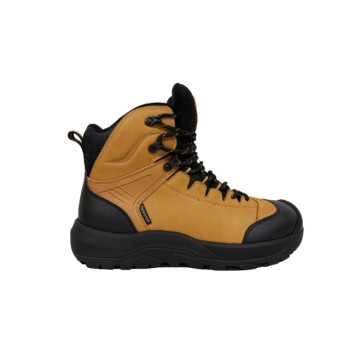
When choosing winter boots, the most critical style consideration is ensuring the boot's design directly matches its intended use. A boot designed for active hiking has a fundamentally different aesthetic and construction than one meant for commuting on city sidewalks, and aligning your choice with your primary activity is the key to balancing both function and appearance.
The core challenge is not choosing between style and function, but understanding how they are intertwined. The right "style" is the one that delivers the necessary warmth, waterproofing, and traction for your environment without compromising your personal aesthetic.
The Foundation: Aligning Style with Intended Use
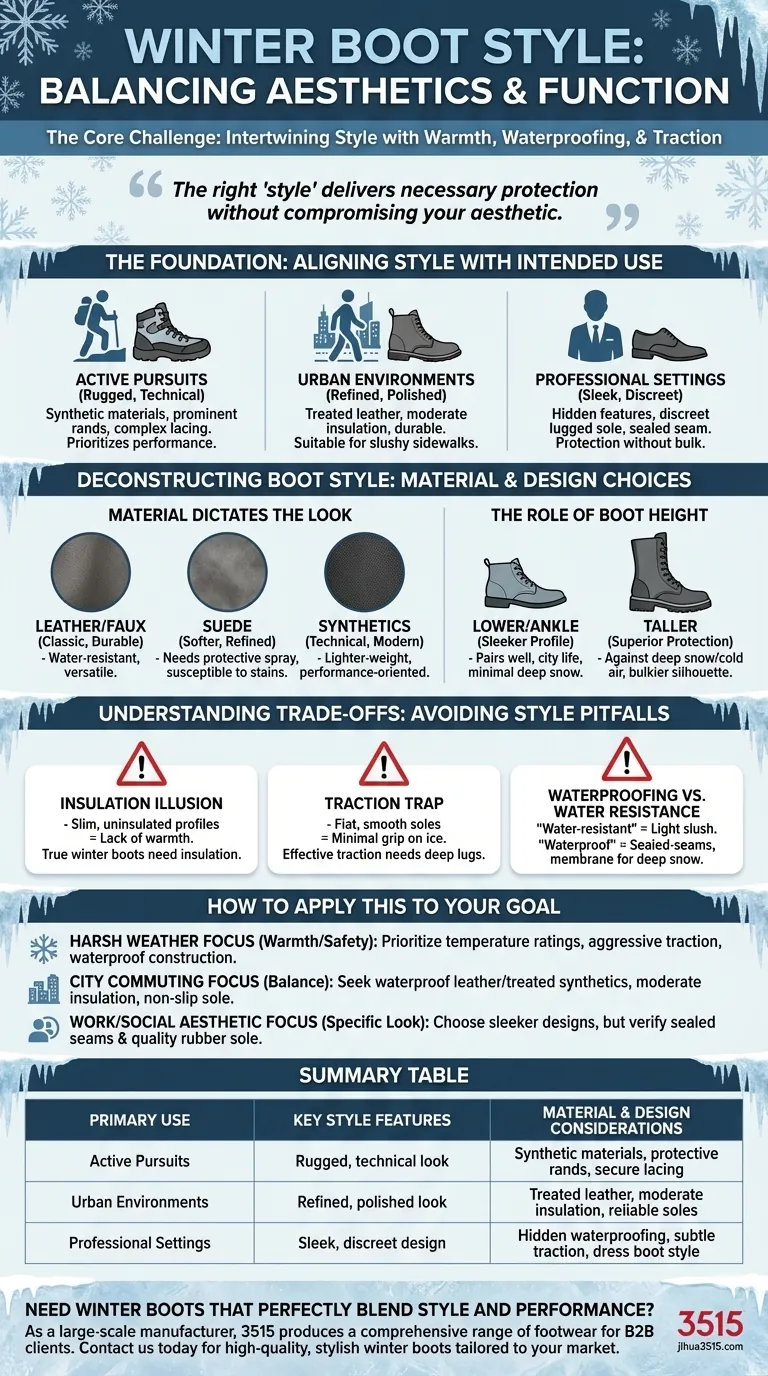
The single most important decision is to match the boot's design category to your daily reality. A boot's overall look is a direct result of the job it was built to do.
For Active Pursuits
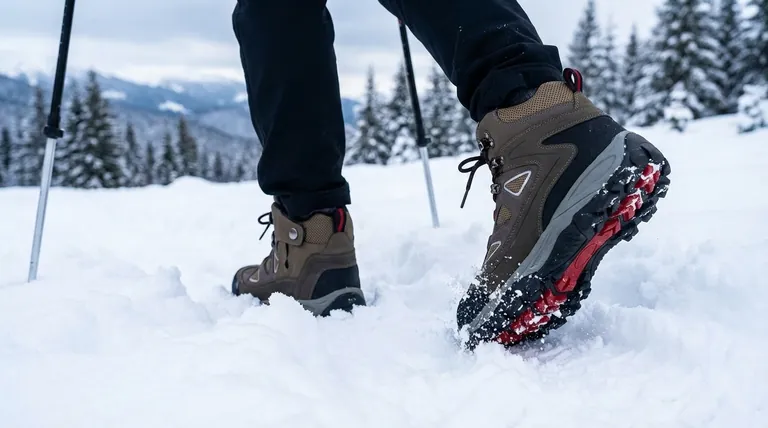
Boots designed for hiking, snowshoeing, or other demanding outdoor activities will have a rugged, technical style.
They often feature synthetic materials, prominent protective rands (rubber guards), and complex lacing systems designed for a secure fit. The style here prioritizes performance above all else.
For Urban Environments
For daily commuting or casual wear, boots often adopt a more refined style.
These might resemble stylish work boots or even sneakers but are built with winter-specific features. Materials like treated leather are common, offering a blend of durability and a polished look suitable for slushy sidewalks.
For Professional or Dressier Settings
In situations requiring a more formal look, the style becomes much sleeker.
These boots often look like Chelsea boots or classic dress boots but incorporate hidden winter features like a discreetly lugged sole, insulation, and waterproof construction. The goal is to provide protection without appearing like a heavy-duty winter boot.
Deconstructing Boot Style: Material & Design Choices
The specific materials and design elements of a boot define its aesthetic and, more importantly, its performance capabilities.
Material Dictates the Look
The choice between leather, suede, and modern synthetics is a primary style decision.
Leather and faux leather offer a classic, durable, and naturally water-resistant style that works well in both casual and professional settings.
Suede provides a softer, more refined look but is highly susceptible to water and salt stains. It is essential to treat suede with a protective spray if it will be exposed to winter conditions.
Synthetics (like nylon) create a more technical, modern, and often lighter-weight boot, common in performance-oriented and active styles.
The Role of Boot Height
The height of the boot shaft is a significant style and functional element.
Lower, ankle-height boots offer a sleeker profile that pairs easily with different pants, ideal for city life with minimal deep snow.
Taller boots provide superior protection against deep snow and colder air but create a bulkier silhouette that signals a more utilitarian purpose.
Understanding the Trade-offs: When Style Compromises Function
Being an informed buyer means recognizing where a focus on aesthetics might lead to a compromise in essential winter performance.
The Insulation Illusion
Many fashion-forward boots have a slim, uninsulated profile. While stylish, they will not provide adequate warmth in freezing temperatures. True winter boots require insulation, which adds bulk.
The Traction Trap
A common pitfall is choosing a boot with a flat, smooth sole because it looks less "clunky." These soles offer minimal grip on ice and packed snow. Effective traction requires deep, multi-directional lugs that are a key feature of a functional winter style.
Waterproofing vs. Water Resistance
A stylish leather boot may be listed as "water-resistant," which can handle light slush or drizzle. This is not the same as being waterproof, which typically requires a sealed-seam construction and a waterproof membrane to keep your feet dry in deep snow or standing water.
How to Apply This to Your Goal
Your final choice should be guided by a clear understanding of your primary need.
- If your primary focus is warmth and safety in harsh winter weather: Prioritize function—look for temperature ratings, aggressive traction, and fully waterproof construction first.
- If your primary focus is commuting and daily errands in a city: Seek a balance with waterproof leather or treated synthetic boots that have moderate insulation and a reliable non-slip sole.
- If your primary focus is maintaining a specific aesthetic for work or social events: Choose sleeker designs but verify they have essential winter features like a sealed seam and a quality rubber sole, even if the lugs are less aggressive.
Ultimately, the best winter boot is the one you will actually wear, which achieves the right synthesis of style for your taste and function for your environment.
Summary Table:
| Primary Use | Key Style Features | Material & Design Considerations |
|---|---|---|
| Active Pursuits | Rugged, technical look | Synthetic materials, protective rands, secure lacing |
| Urban Environments | Refined, polished look | Treated leather, moderate insulation, reliable soles |
| Professional Settings | Sleek, discreet design | Hidden waterproofing, subtle traction, dress boot style |
Need Winter Boots That Perfectly Blend Style and Performance?
As a large-scale manufacturer, 3515 produces a comprehensive range of footwear for distributors, brand owners, and bulk clients. Our production capabilities encompass all types of shoes and boots, ensuring your customers get the ideal balance of aesthetic appeal and winter-ready functionality.
Contact us today to discuss your specific needs and discover how we can deliver high-quality, stylish winter boots tailored to your market.
Visual Guide
Related Products
- Premium Insulated Safety Boots and Shoes for Wholesale & Bulk Orders
- Factory Direct Wholesale Rain Boots Durable Waterproof & Fully Customizable
- Durable Waterproof Rain Boots | Custom Manufacturer for Wholesale & Brands
- Wholesale Waterproof Tactical Boots Custom Suede & High-Traction Soles
- Premium Waterproof High-Cut Industrial Safety Boots for Wholesale and Bulk Orders
People Also Ask
- What are the recommended insulation ratings for mild winter conditions? A Guide for Active & Stationary Workers
- How does insulation thickness correlate with temperature ranges? A Guide to Choosing the Right Warmth
- What insulation level is needed for severe cold and stationary work? 1200g or Higher is Essential
- What safety advantages do insulated boots offer beyond warmth? Dielectric Protection & Superior Grip
- How does fleece lining contribute to the warmth of insulated boots? Trapping Air for Superior Cold Protection