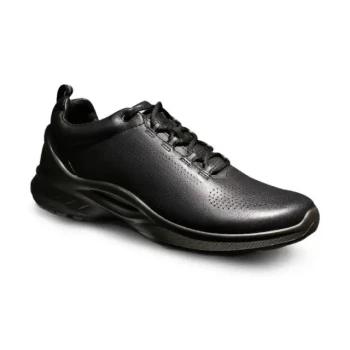
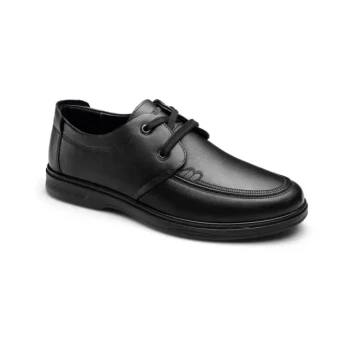
The most crucial features for wide feet are a roomy toe box, an adjustable fit, and proper structural support. These elements work together to accommodate the natural shape of your foot, preventing the painful compression and cramping that standard footwear often causes. A shoe that provides adequate space for your toes to splay while securing your midfoot and heel is the key to lasting comfort.
For those with wide feet, the search for comfortable shoes goes beyond simply looking for a "W" on the box. The true solution lies in understanding the specific design principles—like toe box geometry and lacing systems—that accommodate your foot's natural shape, preventing compression and ensuring all-day stability.
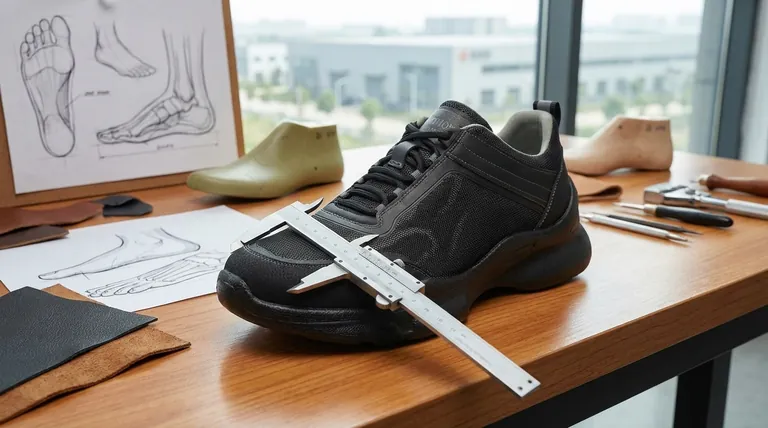
Why Standard Shoes Fail Wide Feet
Before looking at solutions, it's critical to understand the core problem. Most footwear is built on a standardized last (the mold that gives a shoe its shape) that often tapers significantly at the front.
The Problem with Tapered Designs
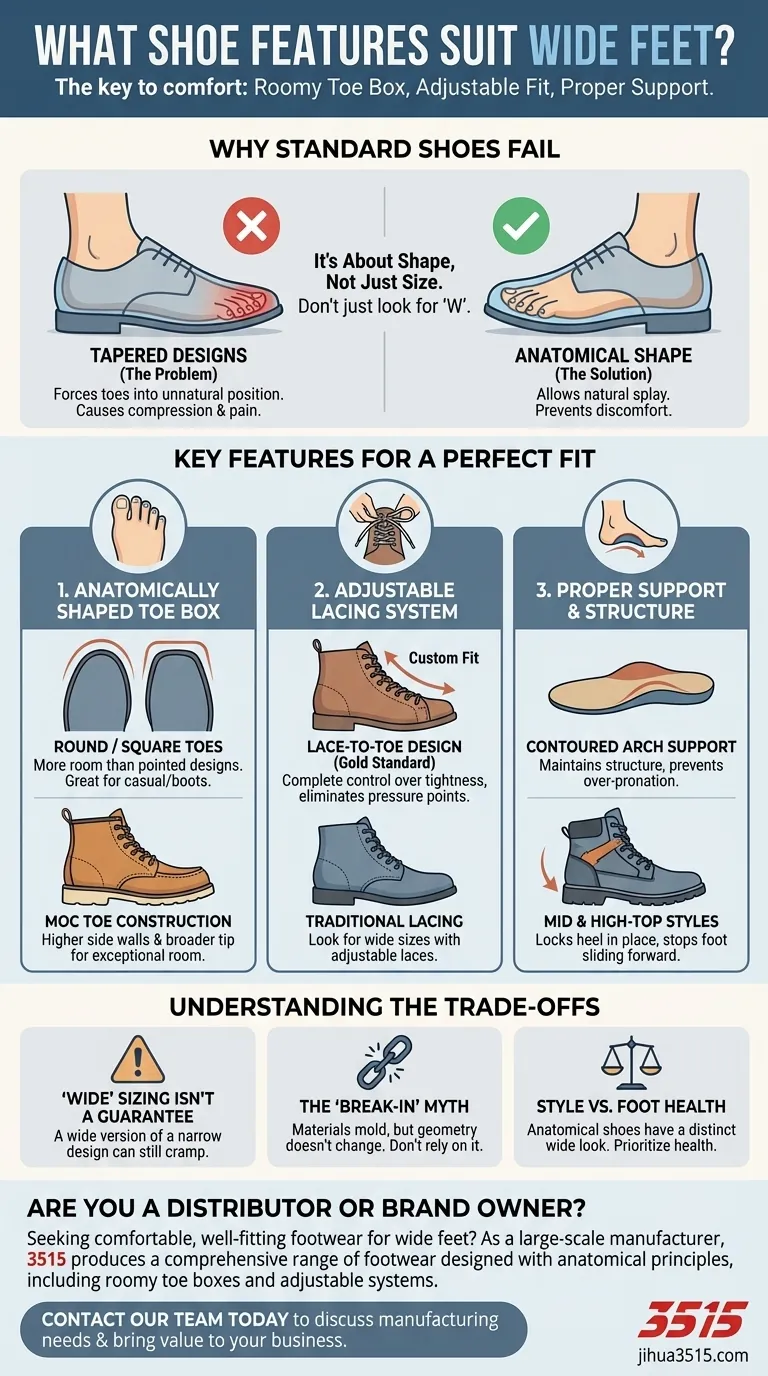
Standard shoe designs often narrow at the toe box to create a specific aesthetic. This forces the toes together into an unnatural position. For a wide foot, this compression is exaggerated, leading to discomfort, blisters, bunions, and other foot health issues.
It's About Shape, Not Just Size
A "wide" size in a poorly designed shoe might simply add volume around the middle of the foot while keeping the same cramped toe box. True comfort comes from a shoe last that is anatomically shaped to allow the forefoot and toes to rest in their natural, splayed position.
Key Shoe Features for a Perfect Fit
Focus on these three areas to identify footwear that will work with your foot's anatomy, not against it.
1. An Anatomically Shaped Toe Box
This is the most important feature. The front of the shoe must provide enough horizontal and vertical space for your toes.
- Round and Square Toes: These shapes provide significantly more room than pointed or narrow designs. They are excellent choices for casual shoes, boots, and western wear. A "roper" style toe in cowboy boots is a classic example.
- Moc Toe Construction: Found most often in work boots, the "moc toe" features a U-shaped seam stitched around the top of the toe box. This design creates higher side walls and a broader tip, offering exceptional room for wide feet.
2. An Adjustable Lacing System
How a shoe fastens can dramatically impact its fit across the widest part of your foot, known as the instep.
- Lace-to-Toe Design: This is the gold standard for adjustability. In these boots, the laces extend much further down towards the toe. This allows you to completely control the tightness across the entire top of your foot, eliminating pressure points.
- Traditional Lacing: Even in standard boots, like combat boots, a good lacing system allows for customization. Look for brands that offer wide and extra-wide sizes combined with laces you can adjust to relieve pressure.
3. Proper Support and Structure
A good fit isn't just about space; it's about stability. Proper support prevents your foot from sliding forward and jamming your toes into the front of the shoe.
- Contoured Arch Support: A well-defined arch support helps maintain your foot's structure, preventing it from over-pronating or flattening, which can cause it to spread even wider under load.
- Mid and High-Top Styles: Higher-cut shoes and boots help lock your heel into the back of the shoe. This security is vital, as it stops your foot from moving around and ensures your toes stay in the roomy toe box where they belong.
Understanding the Trade-offs
Choosing the right shoe requires balancing function with other factors. Being aware of common pitfalls will help you make a better decision.
"Wide" Sizing Isn't a Guarantee
Never assume a shoe labeled "W," "E," or "EE" will fit perfectly. A wide version of a shoe with a fundamentally narrow, pointed design may still cramp your toes. Always prioritize the overall shape of the shoe first and the width sizing second.
The "Break-In" Myth
While quality materials like leather will mold to your foot over time, they will not fundamentally change the shoe's geometry. A shoe that is painfully tight or crushes your toes from the start is the wrong shoe. Do not rely on a "break-in period" to fix a poor fit.
Style vs. Foot Health
The most anatomically correct shoes often have a very wide, rounded appearance that may not align with certain formal or fashion aesthetics. You may need to compromise, but always look for the widest, most accommodating toe box available within the style you need.
Making the Right Choice for Your Feet
Use your primary source of discomfort or need as a guide to select the best features.
- If your primary focus is maximum toe freedom: Prioritize shoes with a moc toe or a wide, square toe box construction.
- If you experience pressure on the top of your foot: Seek out lace-to-toe designs that offer complete control over fit and tightness.
- If you need all-day stability for work or walking: Combine a roomy toe box with strong arch support and a mid- or high-top design to secure your entire foot.
By focusing on the principles of shape, adjustability, and support, you can confidently choose footwear that serves your anatomy, not the other way around.
Summary Table:
| Key Feature | Why It Matters for Wide Feet | Examples |
|---|---|---|
| Anatomically Shaped Toe Box | Prevents toe cramping and allows natural splay. | Round/ Square Toes, Moc Toe Construction |
| Adjustable Lacing System | Customizes fit across the instep to eliminate pressure. | Lace-to-Toe Design, Traditional Lacing |
| Proper Support & Structure | Provides stability and prevents foot sliding. | Contoured Arch Support, Mid/High-Top Styles |
Are you a distributor, brand owner, or bulk client seeking comfortable, well-fitting footwear for wide feet?
As a large-scale manufacturer, 3515 produces a comprehensive range of footwear designed with anatomical principles in mind. Our production capabilities encompass all types of shoes and boots, including styles with roomy toe boxes, adjustable lacing systems, and robust support structures perfect for wide feet.
We can help you provide superior comfort and fit to your customers. Contact our team today to discuss your manufacturing needs and discover how we can bring value to your business.
Visual Guide
Related Products
- Durable Leather High-Ankle Tactical Boots for Wholesale & Custom Manufacturing
- Durable High-Ankle Tactical Boots Wholesale Manufacturer for Custom & Bulk Orders
- Wholesale Durable Camouflage Canvas Shoes with High-Traction Cleated Rubber Sole
- Durable High-Ankle Tactical Boots for Wholesale & Custom Manufacturing
- Custom Manufactured Air Cushion Leather Business Shoes for Wholesale
People Also Ask
- How do military uniforms and tactical boots impact the prediction of thermal risk? Essential Safety Insights
- How does the material of tactical boots affect their performance? Choose the Right Material for Your Mission
- Why is sequential analysis utilized to evaluate tactical boots? Master Dynamic Boot Development and Ergonomic Performance
- How do tactical boots differ from regular boots? Performance, Durability & Design Explained
- What are the primary differences between tactical boots and combat boots? Choose the Right Boot for Your Mission