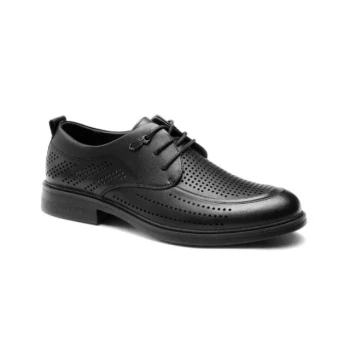
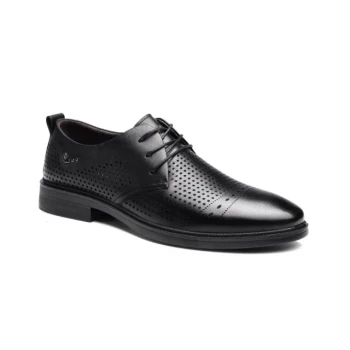
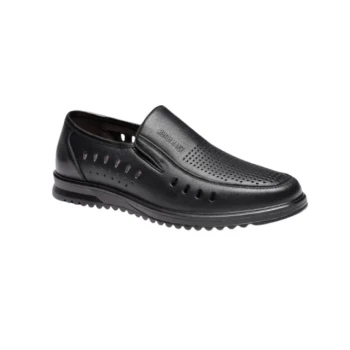
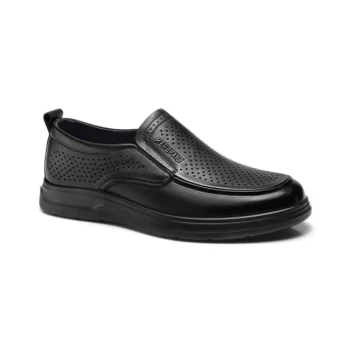
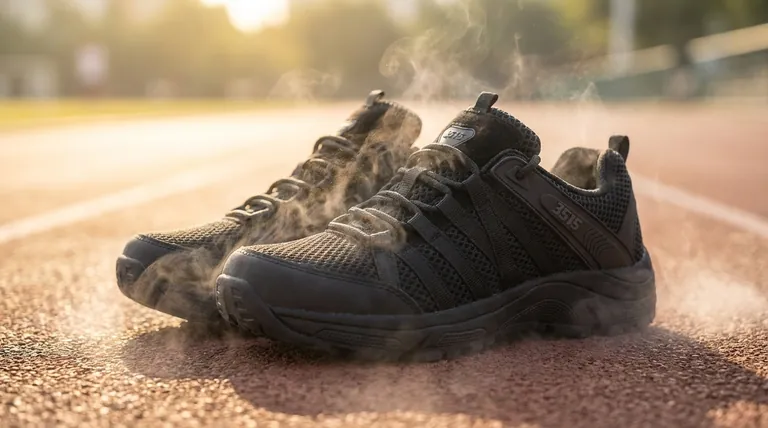
The primary benefits of breathable mesh in shoe design are superior airflow, significant weight reduction, and enhanced flexibility. This combination creates a shoe that is exceptionally comfortable and helps manage heat and moisture, making it a cornerstone material for athletic and modern casual footwear.
Choosing the right shoe material goes beyond aesthetics; it's a technical decision that directly impacts performance and foot health. Breathable mesh excels by creating a microclimate around the foot that prioritizes ventilation and moisture evaporation, turning comfort into a functional advantage.
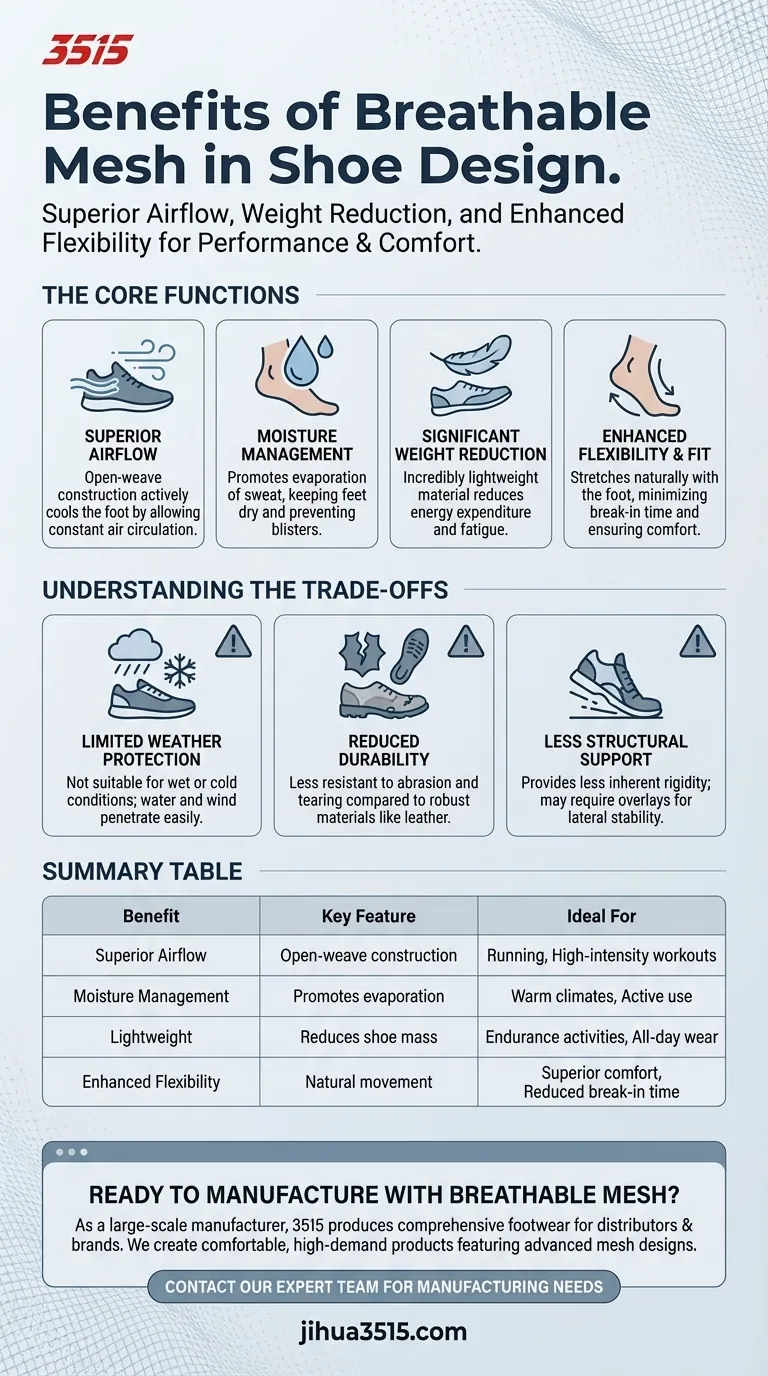
The Core Functions of Breathable Mesh
Breathable mesh is an engineered material, typically a synthetic knit or woven fabric, designed with specific performance goals in mind. Its structure is the key to its benefits.
Superior Airflow and Ventilation
The open-weave construction of mesh is its defining feature. This structure allows air to circulate freely in and out of the shoe with every step.
This constant ventilation actively cools the foot and prevents the buildup of hot air, which is a primary cause of discomfort during prolonged activity.
Effective Moisture Management
Active feet produce sweat. Mesh uppers allow this moisture vapor to escape easily, rather than trapping it inside the shoe like less permeable materials.
This process of evaporation is crucial for keeping feet dry. Dry feet are less prone to blisters, fungal infections, and the uncomfortable, clammy feeling that can cut a workout short.
Significant Weight Reduction
Compared to traditional materials like leather or dense, non-woven synthetics, mesh is incredibly lightweight.
This reduction in mass means less energy is expended with each stride. For runners or anyone on their feet for hours, this cumulative energy saving reduces fatigue and can enhance endurance.
Enhanced Flexibility and Fit
The knitted or woven nature of mesh allows it to stretch and move naturally with the foot. It provides excellent toe flexibility and conforms to the unique shape of your foot over time.
This adaptive fit minimizes break-in time and reduces the chance of pressure points or chafing, leading to superior out-of-the-box comfort.
Understanding the Trade-offs
No material is perfect for every application. The very properties that make mesh exceptional also introduce specific limitations that are critical to understand.
Limited Weather Protection
The excellent airflow of mesh is a significant disadvantage in wet or cold conditions. Water can easily penetrate the upper, and wind passes through it with little resistance.
This makes most mesh footwear unsuitable for rainy days or winter environments without a waterproof membrane liner.
Reduced Durability
The lightweight, open structure of mesh is inherently less resistant to abrasion and tearing than robust materials like leather or ballistic nylon.
Mesh shoes may wear out more quickly, especially if used for trail running or sports with significant lateral movement that puts high stress on the upper material.
Less Structural Support
While flexible, mesh provides less inherent rigidity and structural support than more substantial materials.
For activities requiring strong lateral stability, such as court sports, shoes often incorporate synthetic overlays or denser materials alongside mesh panels to provide necessary support without fully sacrificing breathability.
How to Choose the Right Material for Your Needs
Selecting the right shoe material requires matching its properties to your intended activity and environment.
- If your primary focus is running or high-intensity workouts: Breathable mesh is the optimal choice for its superior ventilation and light weight.
- If your primary focus is all-day casual comfort: A shoe with a mesh upper will provide excellent comfort and prevent overheating, especially in warmer climates.
- If your primary focus is hiking or outdoor durability: Look for shoes made from leather or reinforced synthetics that prioritize protection and weather resistance over maximum airflow.
Ultimately, understanding a material's purpose empowers you to select footwear that functions as a true tool for your goals.
Summary Table:
| Benefit | Key Feature | Ideal For |
|---|---|---|
| Superior Airflow | Open-weave construction for ventilation | Running, high-intensity workouts |
| Moisture Management | Promotes evaporation to keep feet dry | Warm climates, active use |
| Lightweight | Reduces shoe mass and fatigue | Endurance activities, all-day wear |
| Enhanced Flexibility | Stretches and moves naturally with the foot | Superior comfort, reduced break-in time |
Ready to incorporate high-performance breathable mesh into your footwear line?
As a large-scale manufacturer, 3515 produces a comprehensive range of footwear for distributors, brand owners, and bulk clients. Our production capabilities encompass all types of shoes and boots, including advanced designs featuring breathable mesh uppers. We can help you create comfortable, high-demand products that meet the needs of today's active consumers.
Contact our expert team today to discuss your manufacturing needs and bring your vision to life.
Visual Guide
Related Products
- Wholesale Breathable Training Shoes Custom Athletic Footwear Manufacturer
- Wholesale Lightweight Cushioned Athletic Sneakers for Custom Bulk Production
- Lightweight Breathable Training Shoes for Wholesale & Custom OEM Manufacturing
- Wholesale Breathable & Cushioned Training Shoes Custom Factory Production
- Custom OEM Training Shoes Wholesale Manufacturer Durable & Breathable
People Also Ask
- Why are the slip-resistance and stability performance of training shoes critical in gait analysis? Ensure Data Accuracy
- Why are professional-grade training shoes essential for physical therapy? Ensure Patient Safety and Gait Stability
- What is the primary role of specialized training or orthopedic shoes? Enhance Safety in Elderly Balance Training
- Why is specialized athletic footwear necessary for ankle rehab? Unlock Safety and Stability in Recovery
- Why is sole stiffness testing using a force gauge necessary? Build Superior Training Shoes with Precision